




Introduction: Ensuring Water Pressure in Tall Buildings
Understanding How is water Pressure Maintained To The Top Floors Of Buildings Taller is essential. As buildings reach new heights, maintaining adequate water pressure becomes increasingly critical. This guide delves into the intricate systems and strategies employed to ensure a consistent supply of pressurized water from top to bottom floors.
How Is Water Pressure Maintained To The Top Floors Of Buildings Taller – Understanding How Water Pressure is Maintained in Tall Build
Water Pressure in tall buildings is maintained through a combination of pumping systems, tanks, and distribution networks. This section explains the basic principles behind these components.
Gravity vs. Pump-Driven Systems
In low-rise buildings, gravity-fed systems can provide adequate water pressure for lower floors. However, as buildings rise, the force of gravity alone becomes insufficient to supply water to upper levels. Therefore, pump-driven systems are essential in tall structures. This relates directly to How Is Water Pressure Maintained To The Top Floors Of Buildings Taller.
How Is Water Pressure Maintained To The Top Floors Of Buildings Taller – Pump Systems in High-Rise Structures
High-rise buildings rely on pumps to ensure that sufficient pressure is maintained throughout the structure. These pumps work by drawing water from a lower elevation and pushing it up through pipelines to higher floors.
Types of Pumps Used
- Centrifugal Pumps: Commonly used in high-rise buildings, these pumps use a rotating impeller to create pressure.
- Venturi Pumps: These are less common but can be more efficient for certain applications due to their ability to generate higher pressures with lower energy consumption.
Key Considerations in Pump Selection
- Flow Rate and Pressure Requirements: The pump must be capable of delivering the required flow rate at the necessary pressure for all floors.
- Energy Efficiency: High-efficiency pumps reduce operational costs and environmental impact.
- Maintenance Considerations: Regular maintenance is crucial to ensure optimal performance and longevity of pump systems.
How Is Water Pressure Maintained To The Top Floors Of Buildings Taller – Tanks for Storing and Distributing Water
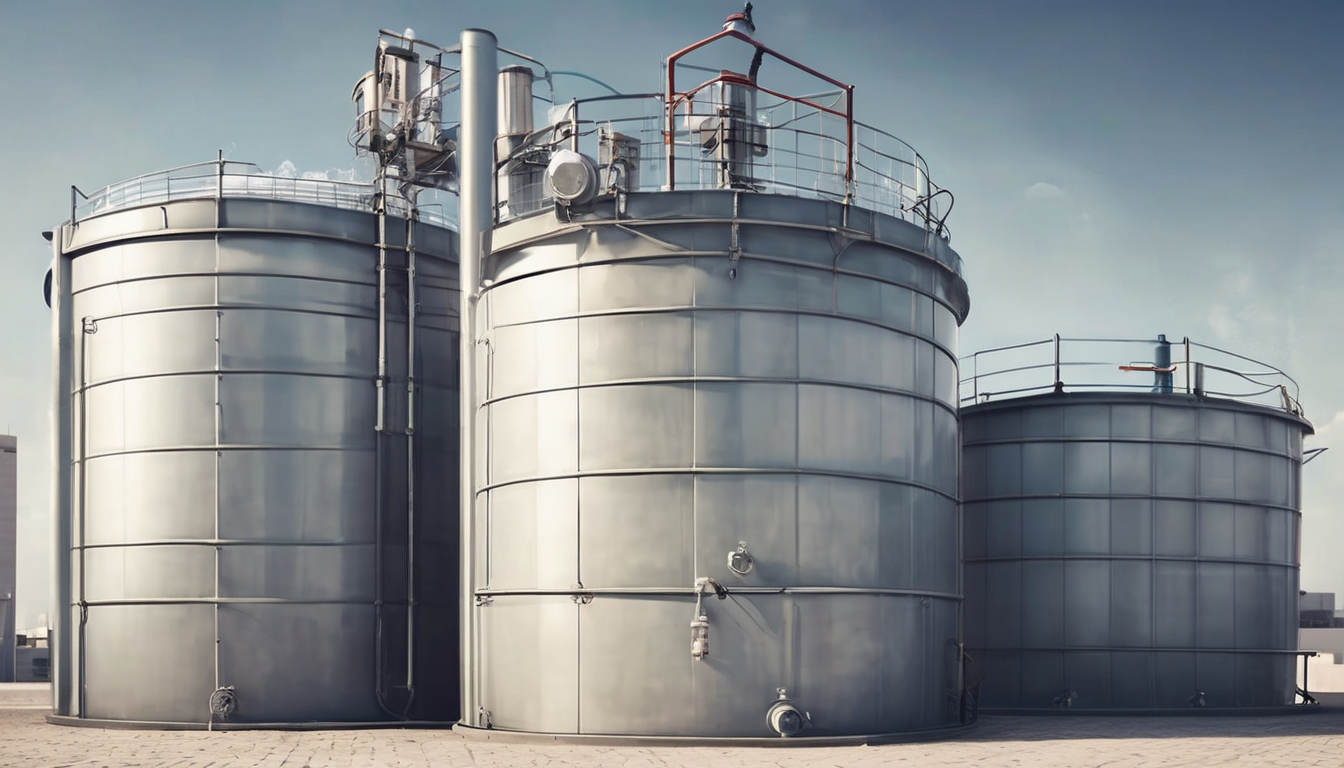
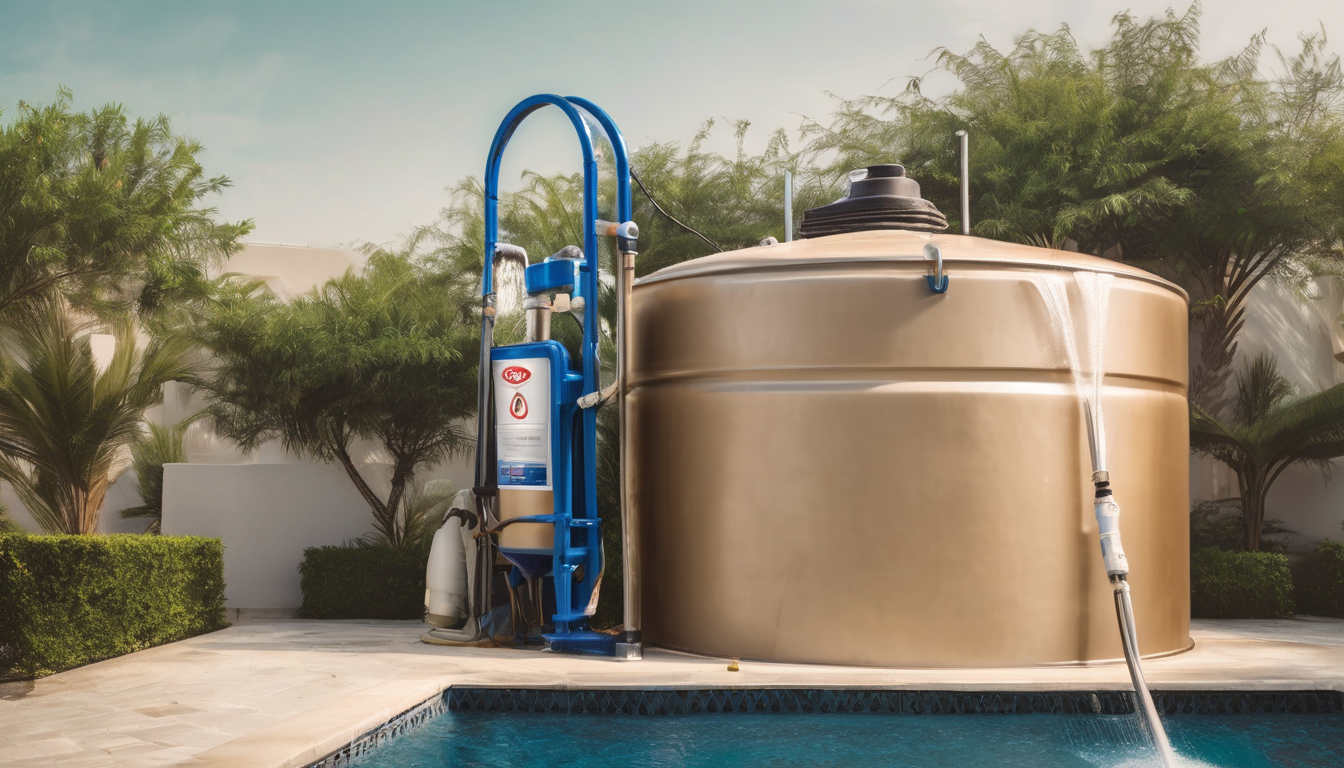
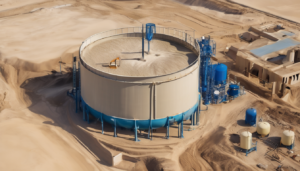
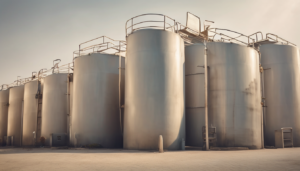
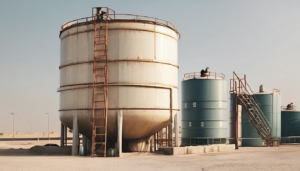
To maintain consistent water pressure, high-rise buildings often employ storage tanks. These tanks serve multiple purposes: they store water when pumps are not operating, provide immediate supply during peak demand times, and act as buffer reservoirs. When considering How Is Water Pressure Maintained To The Top Floors Of Buildings Taller, this becomes clear.
Types of Storage Tanks Used
- Overhead Tanks: Located at the highest point in a building, these tanks use gravity to maintain water pressure.
- Underground Tanks: Placed below ground level, these tanks are less visible but can be more cost-effective and space-efficient.
Storage Tank Capacity Considerations
The capacity of storage tanks is calculated based on the building’s water usage patterns. Typically, a tank should hold enough water to cover at least 24 hours of demand in case pumps fail or during maintenance periods.
Pressure Vessels and Control Valves
Pressure vessels are crucial for maintaining steady pressure by storing pressurized water. Control valves regulate the flow rate, ensuring consistent delivery to all levels of the building. The importance of How Is Water Pressure Maintained To The Top Floors Of Buildings Taller is evident here.
Types of Pressure Vessels
- Potable Water Tanks: Used for clean, potable water storage and distribution.
- Non-Potable Tanks: Employed for storing non-potable water for purposes like fire protection or mechanical systems.
Control Valves and Their Role
Control valves monitor and adjust the pressure levels, ensuring that upper floors receive sufficient water. They also play a role in preventing water hammer—a phenomenon where rapid changes in pressure can damage pipes and equipment.
Water Distribution Networks in Tall Buildings
The distribution network is the pipeline system responsible for delivering pressurized water to each floor. This section covers design considerations and maintenance practices. Understanding How Is Water Pressure Maintained To The Top Floors Of Buildings Taller helps with this aspect.
Design Considerations for Water Distribution Systems
- Pipe Material: Common materials include copper, PVC, and steel, chosen based on cost, durability, and pressure resistance requirements.
- Pipe Layout: Strategic placement of pipes minimizes pressure losses and ensures efficient water flow to all levels.
Maintenance Practices for Water Distribution Networks
- Cleaning and Inspection: Regular cleaning and inspection are crucial to prevent blockages and ensure the system operates efficiently.
- Replacement of Components: Over time, pipes may deteriorate. Routine replacement helps maintain optimal water pressure and quality.
Case Studies of Water Pressure Maintenance
To illustrate the practical application of these systems, we present real-world examples from various high-rise structures in Dubai, Abu Dhabi, and Sharjah.
Case Study 1: Burj Khalifa (Dubai)
- Description: The world’s tallest building requires advanced pump systems and storage tanks to maintain consistent water pressure.
- Key Features: Multiple redundant pumping stations, large overhead tanks, sophisticated control valves for precise pressure regulation.
Case Study 2: Emirates Towers (Abu Dhabi)
- Description: This mixed-use complex includes office spaces and residential units requiring a robust water distribution network.
- Key Features: Integrated pump systems, smart control valves for energy efficiency, large underground storage tanks to manage peak demand.
Expert Tips for Ensuring High Pressure
Here are some actionable tips from our experts on maintaining high water pressure in tall buildings:
- Regular Inspection and Maintenance: Schedule regular checks to identify potential issues early.
- Proper Sizing of Pumps: Ensure pumps are correctly sized for the building’s needs to avoid over- or under-sizing.
- Energy Efficiency Measures: Implement energy-saving technologies like variable frequency drives (VFDs) to reduce operational costs.
- Water Quality Control: Maintain high standards of water quality to prevent biofilm growth and blockages in pipes.
Frequently Asked Questions about High-Rise Water Systems
Address common questions related to water pressure maintenance:
-
- Q: How often should I inspect my building’s water system?
- A: Inspections every six months are recommended, with additional checks during seasonal changes.
- Q: Can I reduce the energy consumption of my pump systems?
- A: Yes, by implementing VFDs and optimizing system design for efficiency.
- Q: How often should I inspect my building’s water system?
How Is Water Pressure Maintained To The Top Floors Of Buildings Taller factors into this consideration.
- Q: What are some signs that my water pressure is too low?
- A: Low water pressure can be indicated by hissing sounds from taps, reduced flow rates, or difficulty starting showers and faucets.
Conclusion: Maintaining Peaceful Daily Use
By understanding the principles behind water pressure maintenance in tall buildings, you can ensure a reliable supply of clean, pressurized water throughout your structure. Regular inspection, proper design, and ongoing maintenance are key to preventing issues and maintaining peace of mind for all residents. Understanding How Is Water Pressure Maintained To The Top Floors Of Buildings Taller is key to success in this area.