

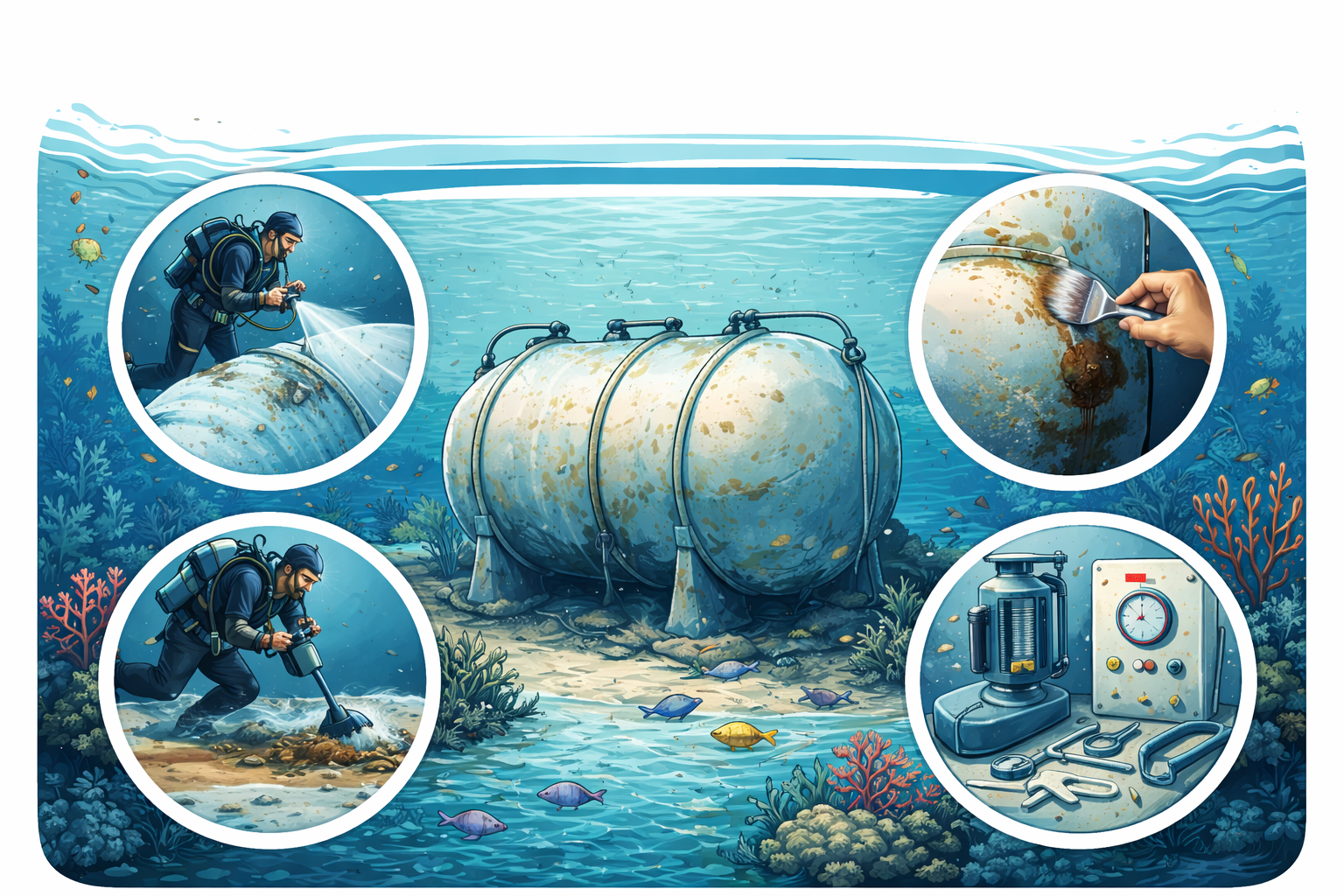

Understanding Maintenance Practices to Extend Underwater Tank Lifespan
Maintenance practices are essential for extending the lifespan of your underwater tanks. Regular inspections, proper cleaning techniques, and material selection can significantly reduce wear and tear on these critical structures. This relates directly to Maintenance Practices To Extend Underwater Tank Lifespan.
Why Maintenance is Important
Underground water storage tanks are crucial components in residential and commercial properties. Over time, they can develop issues such as corrosion, buckling, and leakage which compromise the quality of stored water. Regular maintenance ensures that these tanks continue to function effectively, protecting both your property’s infrastructure and its inhabitants from potential health hazards.
Maintenance Practices To Extend Underwater Tank Lifespan – Detecting Buckling Signs Early On: Tips and Techniques
Buckling in Underground Water Tanks can lead to structural integrity issues. Here are some signs and techniques for early detection:
- Visual Inspection: Regularly check the exterior of your tank for any visible deformations or bulges.
- Differential Pressure Testing: Use specialized equipment to measure pressure differences between different sections of the tank. This can indicate stress points and potential buckling areas.
- Vibration Analysis: Install vibration sensors around the tank to monitor for unusual movement or strain.
Preventing Water Pressure Issues That Cause Underground Tank Buckling
High water pressure is a common cause of buckling in underground tanks. Here are steps you can take:
- Regular Pressure Checks: Use reliable pressure gauges to monitor tank pressures and ensure they stay within safe limits.
- Proper Design and Installation: When installing new tanks, ensure that the design allows for adequate expansion space. This can help prevent excessive pressure buildup over time.
Material Selection for Underground Water Tanks to Avoid Buckling
The choice of materials plays a significant role in the longevity and performance of underground water tanks:
- Corrosion-Resistant Materials: Opt for high-quality, corrosion-resistant materials such as GRP (Glass Reinforced Plastic) or HDPE (High-Density Polyethylene).
- Thermal Expansion Compatibility: Ensure that the tank material can handle thermal expansion without compromising structural integrity.
Regular Maintenance Checks and Inspections
Consistent maintenance is key to maintaining your underground water tanks. Here’s how you can perform these checks:
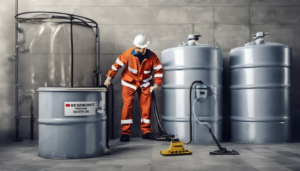
- Dump Tank Inspection: Empty the tank and inspect for any rust, cracks, or other signs of wear.
- Floor Support Assessment: Check that the foundation supports are intact and not corroding or failing.
Chemical-Free and Safe Disinfection Methods for Underground Tanks
Disinfecting your underground tanks is crucial to ensure clean water. Here are some effective methods:
- Biological Filtration: Use biological filters that encourage natural bacteria to break down contaminants.
- Aerobic Treatment Systems: Introduce air into the tank to promote aerobic conditions, which can help in reducing harmful microorganisms.
Professional Services to Rely On: Why You Should Hire Experts
To ensure thorough and reliable maintenance of your underground water tanks, it’s advisable to hire professional services. Here are some reasons why:
- Expert Knowledge: Professionals have the expertise to identify and address specific issues related to your tank.
- Compliance with Regulations: They stay updated on local regulations and standards, ensuring that maintenance is done correctly.
Expert Tips for Underwater Tank Maintenance
Hear from experts who have decades of experience in underwater tank maintenance. Here are some practical tips:
- Annual Inspections: Schedule annual inspections to catch any issues early before they become major problems.
- Seasonal Cleaning: Perform deep cleaning and disinfection during the dry season when water usage is lower, allowing easier access and better results.
Frequently Asked Questions About Maintenance Practices to Extend Underwater Tank Lifespan
Hear from experts who have decades of experience in underwater tank maintenance. Here are some practical tips:
- Q1: How often should I clean my underground water tanks?
- A1: Typically, it’s recommended to clean your underground water tanks every 3-5 years or as advised by a professional.
Q2: Can DIY methods be effective for underwater tank maintenance?
A2: While DIY methods can help, they may not cover all aspects of comprehensive maintenance. Professional services offer the best results.
Q3: Are there any signs that indicate I need to replace my underground water tank?
A3: Signs include persistent leaks, severe corrosion, or structural damage visible during inspections.
Conclusion
Maintaining your underwater tanks is a critical aspect of protecting the quality and safety of your family’s water supply. By following these maintenance practices, you can extend the lifespan of your underground storage tanks and ensure they remain reliable for years to come. Understanding Maintenance Practices To Extend Underwater Tank Lifespan is key to success in this area.