




—
TITLE—
Chlorination Methods for Ensuring Potable Water Hygiene Guide for Hospitals and Medical Facilities
—
META—
Chlorination methods guide to ensure clean, hygienic water in hospitals. AED X,XXX or X,XXX AED.
—
EXCERPT—
Understanding chlorination methods is crucial for maintaining the safety and hygiene of potable water in medical facilities. This comprehensive guide covers essential steps, best practices, and tips for ensuring your hospital’s water supply remains clean and safe.
—
—
CONTENT—
Understanding Chlorination Methods for Ensuring Potable Water Hygiene
Chlorination is a vital process in the purification of drinking water, especially in medical facilities where hygiene and safety are paramount. This method involves adding chlorine or its derivatives to kill harmful microorganisms and ensure that water is safe for consumption. Chlorine effectively disrupts the cell walls of pathogens, rendering them inactive.
Chlorination Methods For Ensuring Potable Water Hygiene – The Basics of Chlorination
Chlorination methods can be broadly categorized into two types: free chlorine and combined chlorine. Free chlorine is highly effective in killing bacteria and viruses but degrades quickly. Combined chlorine, on the other hand, persists longer and provides residual protection against recontamination.
Chlorination Methods For Ensuring Potable Water Hygiene – Choosing the Right Chlorine
For potable water applications, sodium hypochlorite (bleach) is commonly used due to its effectiveness and availability. It must be chosen based on the chlorine demand of the water being treated. Too little can lead to ineffective disinfection, while too much can cause taste and odor issues.
Calculating Chlorine Demand
Chlorine demand is determined by measuring the amount of chlorine required to achieve a breakpoint chlorination (BPC) level. This ensures that all contaminants are neutralized effectively before any free residual chlorine remains.
Chlorination Methods and Procedures
1. Pre-Chlorination: Adding chlorine at the source, such as a well or water treatment plant, to ensure all incoming water is disinfected.
2. Post-Chlorination: Adding chlorine after filtration and disinfection steps to maintain residual levels throughout distribution.
3. Breakpoint Chlorination (BPC): A technique where sufficient chlorine is added until the breakpoint is reached, ensuring complete inactivation of microorganisms. This relates directly to Chlorination Methods For Ensuring Potable Water Hygiene.
4. Dwell Time: The period during which chlorinated water remains in contact with the treated surfaces or materials. Proper dwell time ensures effective disinfection without causing taste and odor issues.
Monitoring and Testing
Regular monitoring is essential to ensure that chlorine levels remain within safe and effective ranges. Samples should be taken from various points in the water distribution system, including storage tanks and taps at the point of use. This helps identify any potential contamination risks early.
Testing Procedures
– Total Chlorine Testing: Measures both free and combined chlorine levels.
– Free Chlorine Testing: Ensures that sufficient residual chlorine remains in the water supply.
– pH Levels Monitoring: Affects how quickly chlorine works. Optimal pH ranges between 6.5 and 8.5.
Safe Chemical Usage
Using chlorine-based products correctly is crucial for both efficacy and safety. Here are some key points:
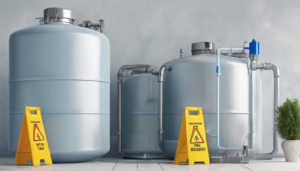
1. Proper Storage: Store chlorine solutions in a cool, dry place away from direct sunlight to prevent degradation.
2. Personal Protective Equipment (PPE): Always wear appropriate PPE such as gloves, masks, and protective clothing when handling chlorine.
3. Mixing Instructions: Follow manufacturer guidelines for mixing chlorine with water to achieve the correct concentration.
4. Disposal Methods: Dispose of unused or expired chemicals safely according to local regulations.
Challenges and Solutions
1. Off-Flavors and Odors: These can occur if too much free chlorine is present. Adjusting pH levels or reducing the amount of chlorine used can resolve this issue.
2. Biofilm Buildup: Regular cleaning and maintenance of tanks and pipes prevent biofilm formation, which can harbor harmful microorganisms.
3. Contamination Incidents: If a water sample tests positive for contamination, immediate corrective actions should be taken, including retesting and potentially restarting the chlorination process from scratch.
Expert Tips for Chlorinating Medical Water Systems
1. Pre-Service Inspection: Conduct thorough inspections before starting any chlorination process to identify potential issues.
2. Training and Certification: Ensure all personnel involved in the chlorination process are properly trained and certified.
3. Regular Maintenance Schedules: Develop a structured maintenance plan that includes regular cleaning, inspection, and testing of water systems.
4. Documentation and Compliance: Maintain detailed records of all chlorination activities, including dosing amounts, test results, and corrective actions taken.
5. Customer Education: Educate your staff about the importance of proper chlorination practices to prevent contamination incidents.
—
FAQ Section
1. Q: How often should I chlorinate my medical water system?
A: The frequency depends on local regulations and facility size, but typically, routine chlorination is performed weekly or bi-weekly.
2. Q: What are the signs that chlorination isn’t working properly?
A: Signs include off-flavors, odors, cloudy water, and positive test results for bacteria or other contaminants.
3. Q: Can I use any type of chlorine for medical water systems?
A: No, only approved chlorination agents should be used to ensure safety and efficacy.
—
Conclusion
Chlorination is a critical component in maintaining the hygiene and safety of potable water in hospitals and other medical facilities. By understanding the basics, choosing the right chlorine, following proper procedures, and addressing challenges effectively, you can ensure that your facility’s water supply remains clean and safe.
—