







Introduction
Understanding Algae Removal Techniques During Water Tank Cleaning is essential. Algae growth in water tanks can pose serious health risks. This guide will walk you through easy steps to effectively remove algae and keep your water clean.
Table of Contents
- Understanding Algae Growth in Water Storage Tanks
- Identifying the Right Cleaners for Your Needs
- Step-by-Step Guide to Removing Algae
- Professional Services vs. Do-It-Yourself Methods
- Precautions and Safety Measures During Cleaning
- Post-Cleaning Inspection Checklist
- Customized Water Tank Cleaning Schedules for Different Types of Tanks
- Final Tips for Effective Algae Removal
- FAQ Section
- Conclusion
Understanding Algae Growth in Water Storage Tanks
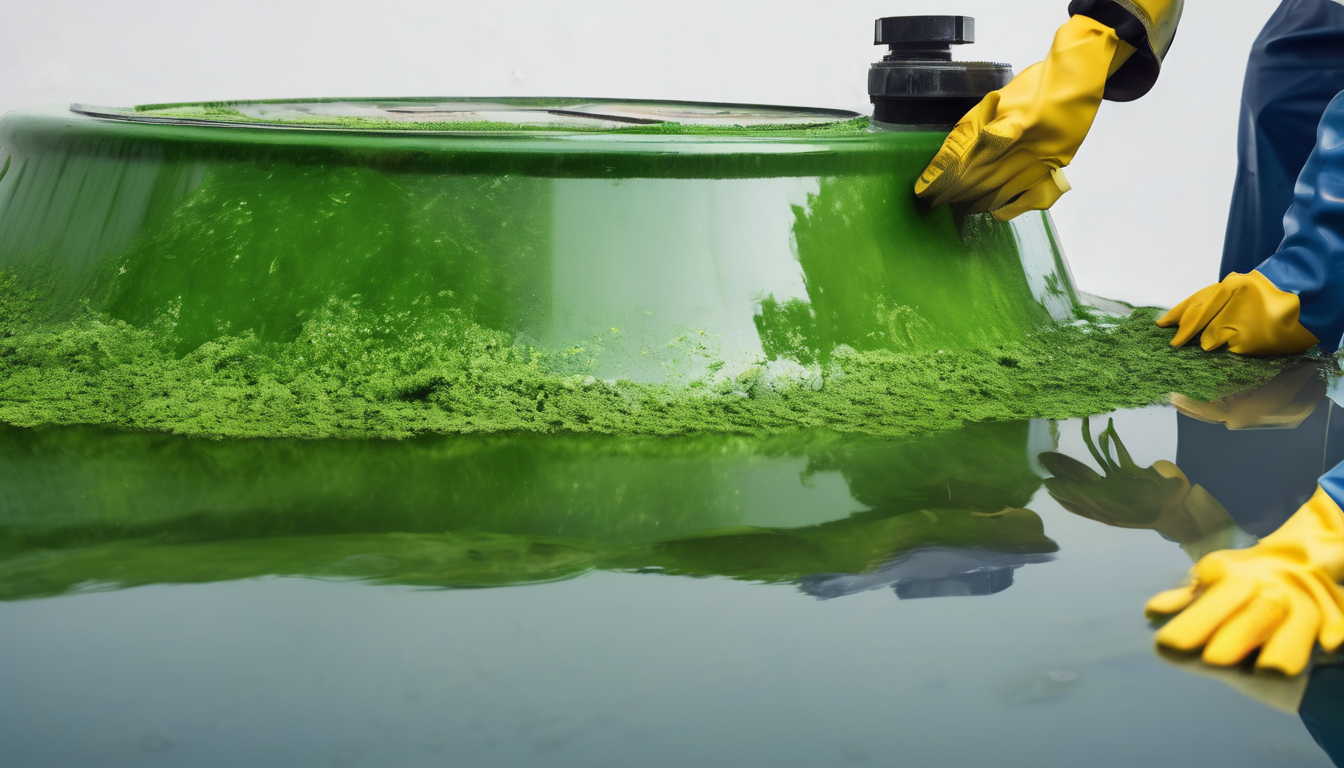
Algae growth is a common issue in water storage tanks due to the presence of sunlight and nutrients. This green or brown slimy substance can not only affect the appearance but also contaminate the stored water, leading to health risks such as gastrointestinal issues.
To address this problem effectively, it’s crucial to understand how algae grow and what conditions favor their proliferation. Regular cleaning and appropriate disinfection methods are essential steps in maintaining safe drinking water. This relates directly to Algae Removal Techniques During Water Tank Cleaning.
Identifying the Right Cleaners for Your Needs
Selecting the right cleaner is critical when dealing with algae during water tank cleaning. Different chemicals and solutions are available, each with its own set of benefits and limitations.
- Potassium Permanganate – Highly effective against bacteria and algae but can be harsh on surfaces if not used correctly
- Bleach – A common household disinfectant that works well for general cleaning but may require dilution to be safe for water tanks
- Sodium Hypochlorite (Liquid Chlorine) – Effective in killing a wide range of microorganisms, including algae. However, it should be used with care due to its strong odor and potential skin irritation
Step-by-Step Guide to Removing Algae
Removing algae from a water storage tank is a multi-step process that requires careful planning and execution. Follow these steps for effective algae removal during water tank cleaning:
- Pre-Cleaning Inspection – Inspect the tank for any visible signs of contamination or damage before starting
- Draining the Tank – Carefully drain the water from the tank, ensuring no residual water remains in corners and crevices
- Pre-Rinse with Clean Water – Rinse the inside of the tank with clean water to remove loose debris and sediment
- Applying Algae Cleaner – Use a suitable cleaner, such as potassium permanganate or sodium hypochlorite, according to manufacturer’s instructions. Apply it evenly across the surface
- Allow Dwell Time – Let the cleaner sit for the recommended duration to effectively kill algae and bacteria
- Rinse Thoroughly – Rinse the tank again with clean water to remove all traces of the cleaning solution. Ensure no residue remains as it can affect water quality
- Dry the Tank (if applicable) – For underground tanks, allow them to air dry completely before refilling
- Refill and Test – Refill the tank with clean water and conduct a final test for algae presence. Ensure the water is clear and free of any foul odor
Professional Services vs. Do-It-Yourself Methods
While DIY methods can be cost-effective, they may not always achieve the desired results due to lack of experience and proper equipment. Professional services offer several advantages when performing algae removal during water tank cleaning:
- Expertise in Chemical Use – Professionals are trained to handle chemicals safely and effectively
- Equipment for Thorough Cleaning – Specialized tools can reach all corners, ensuring a thorough clean
- Safety Measures – Safety protocols minimize risks associated with chemical handling and cleaning processes
When considering Algae Removal Techniques During Water Tank Cleaning, this becomes clear.
Precautions and Safety Measures During Cleaning
Ensure the safety of both you and your family during water tank cleaning by taking these precautions:
- Wear Protective Gear – Use gloves, masks, and goggles to protect against chemical exposure
- Avoid Mixing Chemicals – Never mix different cleaning agents as it can create harmful reactions
- Ventilate the Area – Ensure good ventilation to prevent inhalation of fumes
- Handle with Care – Follow all safety guidelines provided by manufacturers when using cleaning solutions
These safety measures are crucial for preventing accidents during water tank cleaning operations.
Post-Cleaning Inspection Checklist
To ensure the effectiveness of your algae removal efforts during water tank cleaning, follow this post-cleaning inspection checklist:
- Check for Residual Chemicals – Ensure all cleaning solutions have been thoroughly rinsed
- Inspect Tank Surface – Look for any remaining algae or discoloration that may indicate incomplete cleaning
- Test Water Quality – Conduct water tests to ensure the absence of contaminants and a clear, clean taste
Customized Water Tank Cleaning Schedules for Different Types of Tanks
The frequency of cleaning varies based on several factors. Here are guidelines for different types of tanks when planning algae removal during water tank cleaning:
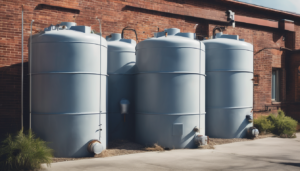
- Underground Tanks – Clean every 6-12 months to prevent contamination
- Overhead Tanks – Clean annually due to more exposure to sunlight and better accessibility
- Plastic Tanks – Less prone to algae growth, but still require cleaning at least once a year for maintenance purposes
Final Tips for Effective Algae Removal
To maintain water quality and prevent future algae growth during water tank cleaning, consider these tips:
- Regular Maintenance – Clean your tank every six to twelve months depending on the type of storage
- Proper Tank Design – Use smooth surfaces and minimal crevices to reduce algae accumulation
- Seal Cracks – Seal any cracks or leaks in the tank to prevent water stagnation, which promotes algae growth
FAQ Section
Q: How often should I clean my water storage tank? A: The frequency depends on the type of tank. Underground tanks require cleaning every 6-12 months, while overhead tanks are typically cleaned annually.
Q: Can DIY methods effectively remove algae from a water tank? A: While possible, professional services often offer better results due to their expertise in handling chemicals and equipment. However, if you choose DIY for algae removal during water tank cleaning, follow all safety guidelines strictly.
Q: What are the signs that my water tank needs cleaning? A: Look for discolored water, musty odors, visible algae growth, or sediment in your water. These indicate it’s time for cleaning.
Conclusion
By implementing these algae removal techniques during water tank cleaning, you can ensure your family’s drinking water is safe and free from harmful contaminants. Regular maintenance and proper cleaning are essential to prevent future growth and maintain a healthy water supply in your home or building.
Effective algae removal during water tank cleaning requires the right chemicals, proper techniques, and regular maintenance schedules. Whether you choose professional services or DIY methods, following these guidelines will help keep your water tank clean and your family safe.