


—
TITLE—
Best Practices in Dubai Municipality-Compliant Water Tank Guide for 12 Easy Results
META—
Guide to best practices for Dubai Municipality-compliant water tanks, ensuring clean and safe drinking water.
EXCERPT—
Water storage is a critical aspect of maintaining hygiene standards in the UAE. This article provides an in-depth look at the best practices for Dubai Municipality-compliant water tanks, ensuring safe and clean water for families and businesses.
—
Understanding Best Practices in Dubai Municipality-Compliant Water Tank
Regular water tank cleaning and disinfection are essential for maintaining safe drinking water. In the UAE, particularly in Dubai, water tanks must adhere to strict guidelines set by the Dubai Municipality (DM). These regulations ensure that residents and businesses have access to clean, potable water. Understanding these best practices is crucial for property managers, villa owners, and commercial building administrators.
Best Practices In Dubai Municipality-compliant Water Tank – DM Inspection Preparation: Navigating the Compliance Checkli
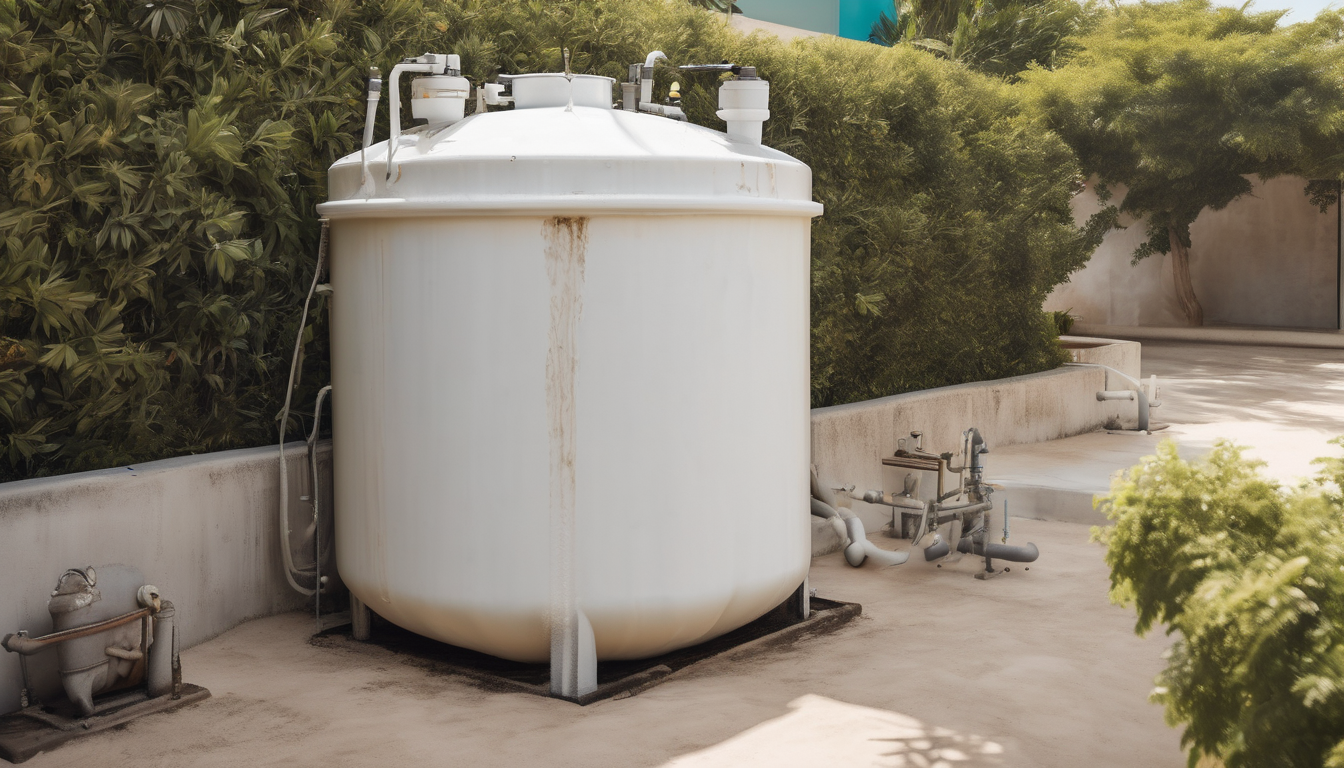
To comply with DM inspections, it’s essential to follow a structured approach. The first step involves conducting thorough pre-cleaning inspections. This includes checking for any visible contamination, cracks, or leaks in the tank. Additionally, understanding the DM inspection checklist is crucial. This typically covers areas such as:
– Tank structure integrity
– Sediment and biofilm removal
– Proper chemical usage and storage
– Safe water quality testing post-cleaning
By preparing these aspects, property managers can ensure a smooth DM inspection process.
Best Practices In Dubai Municipality-compliant Water Tank – Frequency of Water Tank Cleaning and Disinfection
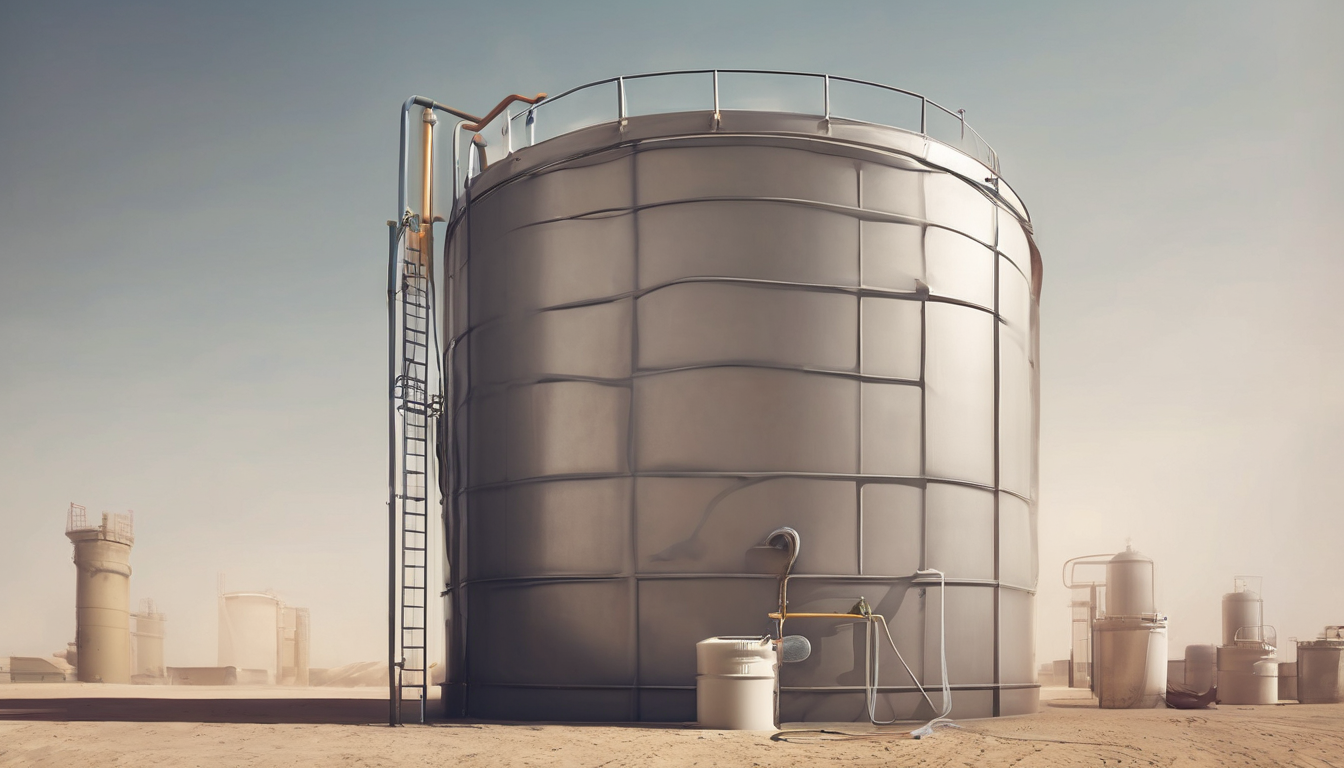
The frequency of cleaning depends on several factors, including the tank’s age, climate conditions, and occupancy. Typically, overhead tanks in residential areas should be cleaned every 6 to 12 months, while underground tanks may require more frequent inspections due to potential stagnant water issues.
For commercial properties, the frequency is often higher as these tanks are more susceptible to contamination. Regular cleaning helps prevent the buildup of sediment, algae, and biofilm, which can compromise water quality.
Chemicals Used in Dubai Tanks: Safe and Effective Options
Using the right chemicals is crucial for effective disinfection. DM-approved chlorination solutions are commonly used to kill bacteria and other microorganisms. These chemicals must be applied safely, with proper dosing and dwell time.
It’s important to use only DM-authorized products and follow their instructions carefully to avoid any harmful effects on the water quality or tank structure. This relates directly to Best Practices In Dubai Municipality-compliant Water Tank.
Tank Inspection and Maintenance Tips for Longevity
Regular inspections are key to maintaining the integrity of your water tanks. Inspections should include:
– Visual checks for damage
– Pressure tests to identify leaks
– pH level monitoring to ensure proper chemical balance
Maintaining records of these inspections is vital, as it provides evidence of compliance and helps in identifying areas that need attention.
Post-Cleaning Procedures to Ensure Water Quality
After cleaning, it’s essential to follow post-cleaning procedures to ensure water quality. This includes:
– Proper rinsing of the tank
– Refilling with fresh, treated water
– Monitoring water quality through regular testing
These steps help in maintaining a consistent and safe water supply.
Environmental Friendly Practices in Water Tank Management
Implementing eco-friendly practices is not only beneficial for the environment but also aligns with DM guidelines. Using biodegradable cleaning agents, minimizing chemical usage, and ensuring proper disposal of waste are some steps to consider.
Additionally, using efficient water storage systems can help reduce overall water consumption and minimize environmental impact.
Tips for Property Managers: Ensuring Safe Drinking Water
Property managers play a critical role in maintaining safe drinking water. Some tips include:
– Scheduling regular cleaning sessions
– Educating residents about the importance of clean water
– Keeping records of all maintenance and inspection activities When considering Best Practices In Dubai Municipality-compliant Water Tank, this becomes clear.
By following these guidelines, property managers can ensure that their properties meet DM standards.
Frequently Asked Questions (FAQs)
1. How often should I clean my water tank?
– The frequency varies depending on the type of tank and local conditions. Overhead tanks may require cleaning every 6 to 12 months, while underground tanks need more frequent checks.
2. What chemicals are safe for water tank disinfection in Dubai?
– Use DM-approved chlorination solutions that are specifically designed for water tank disinfection.
3. Can I clean my own water tank, or should I hire professionals?
– While DIY cleaning is possible, hiring certified professionals ensures compliance with DM regulations and provides peace of mind.
4. What signs indicate a need for immediate water tank cleaning?
– Signs include foul odors, discolored water, sediment buildup, and visible contamination in the tank or surrounding area.
5. How do I prepare for a DM inspection?
– Conduct thorough pre-cleaning inspections, maintain detailed records of maintenance activities, and ensure all necessary chemicals are on hand.
Conclusion
Maintaining safe drinking water is a collective responsibility in Dubai. By following these best practices, property managers, villa owners, and businesses can ensure that their water tanks meet DM standards and provide clean, hygienic water to residents. Regular cleaning, proper disinfection, and meticulous maintenance are key steps in achieving this goal.
—
TAGS—
water tank cleaning, Dubai Municipality compliance, safe drinking water, DM inspections
ALT_TEXT—
Best Practices in Dubai Municipality-Compliant Water Tank – Effective Cleaning and Disinfection Methods for Safe Water Storage Systems