


Introduction
Understanding Explain The Difference Between Manual And Mechanical cleaning is essential. Regular cleaning of domestic water tanks is crucial for maintaining a safe and healthy supply of drinking water in homes across Dubai, Abu Dhabi, and Sharjah. While there are several methods to choose from, this article focuses on comparing the two most common approaches: manual and mechanical water tank cleaning.
Understanding Can you explain the difference between manual and mechanical cleaning
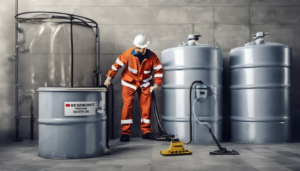
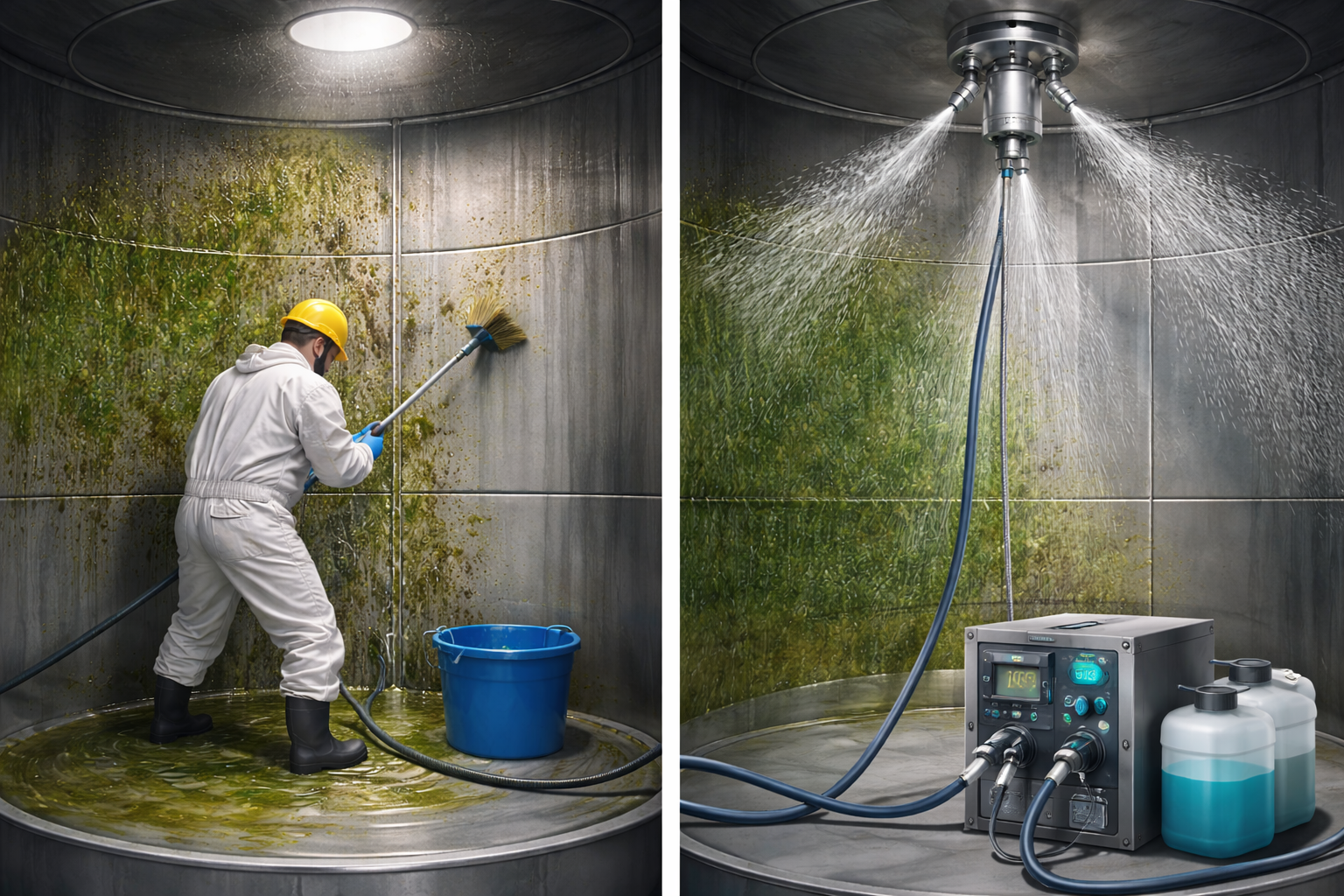
Manual water tank cleaning involves physically removing dirt, sediment, and biofilm from the tank using tools such as brushes, scrapers, and sometimes chemical solutions. Mechanical cleaning, on the other hand, utilizes equipment like high-pressure washers, rotating arms, or specialized vacuum systems to clean the tank.
Explain The Difference Between Manual And: Manual Cleaning: Pros and Cons
Pros:
- Cost-effective: Manual cleaning is generally less expensive than mechanical methods, making it a more budget-friendly option for many homeowners.
- No equipment needed: Only basic tools are required, which can be easily sourced or rented from local suppliers.
- Flexibility: This method allows for detailed cleaning in small or hard-to-reach areas within the tank.
Cons:
- Time-consuming: Manual cleaning can take longer to complete, especially in larger tanks or when dealing with extensive buildup.
- Health risks: The process involves direct contact with potentially contaminated water and surfaces, increasing the risk of injury or infection for the cleaner.
- Potential for cross-contamination: Without proper precautions, there is a higher likelihood of spreading contaminants within the tank during manual cleaning.
Explain The Difference Between Manual And – Mechanical Cleaning Methods: Types and Benefits
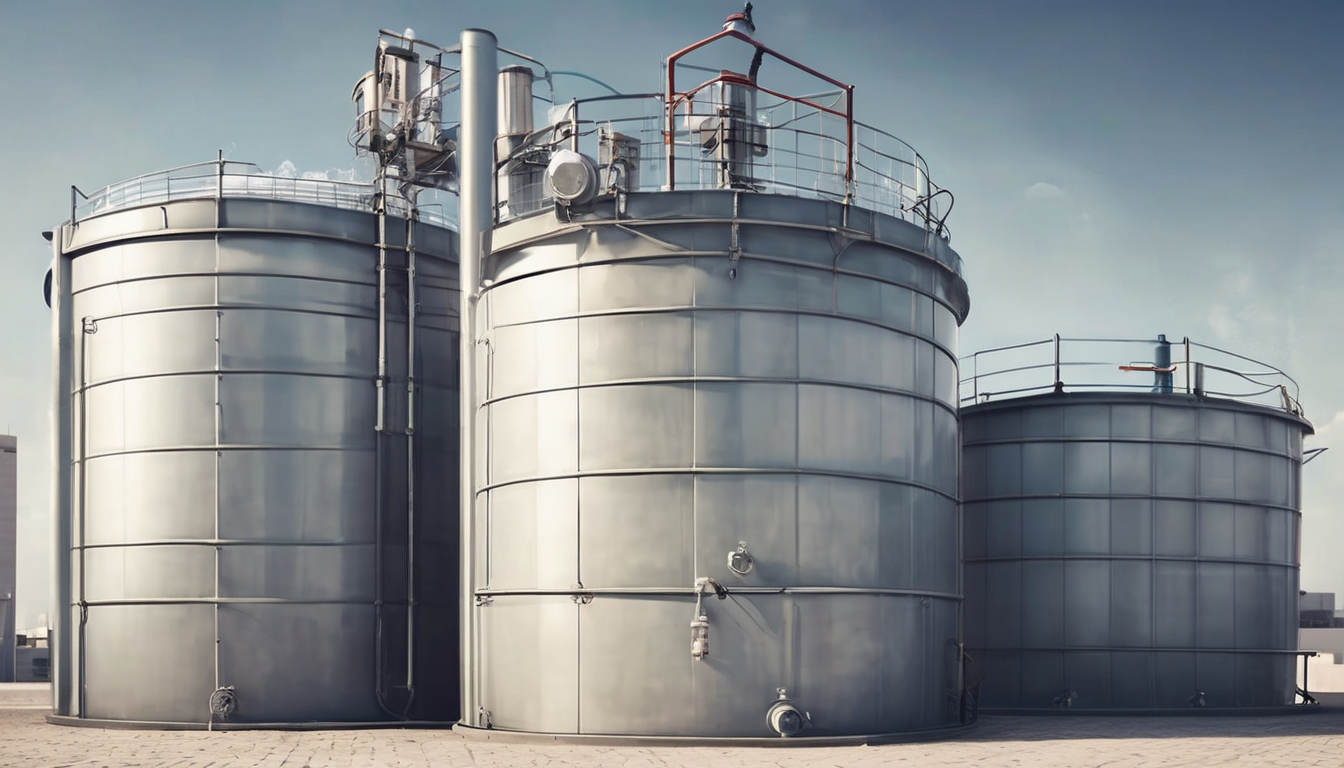
Mechanical water tank cleaning employs specialized equipment to clean the tank more efficiently. There are several types, including:
Read more: How Often Should I Clean My Domestic Water Tank?
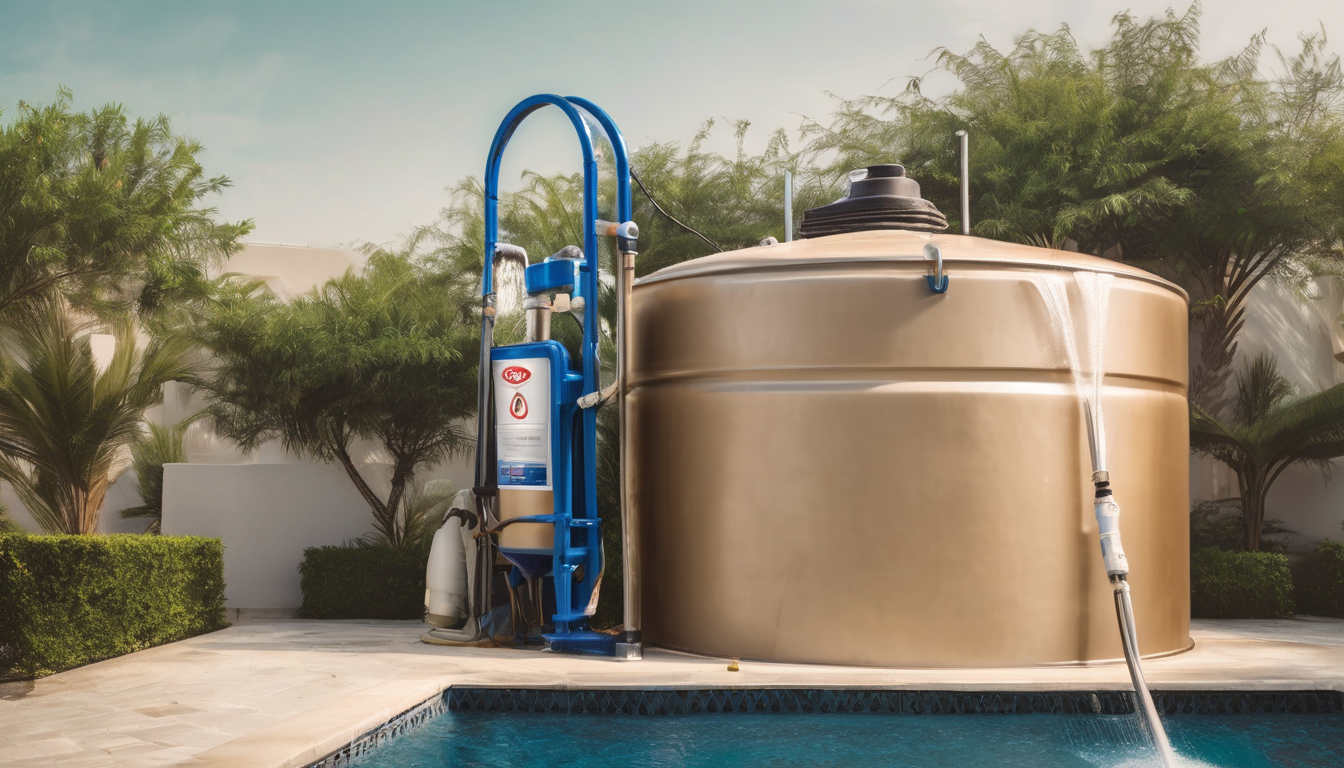
- High-pressure washers: These units use pressurized water to blast away dirt and debris from the tank’s interior.
- Rotating arms: Equipped with scrubbers or nozzles that rotate to clean all surfaces of the tank, often used in larger commercial applications.
- Vacuum systems: Utilize suction to remove sediment and other contaminants from the bottom of the tank. Ideal for areas where mechanical brushes cannot reach effectively.
The benefits of mechanical cleaning include:
- Efficacy: These methods can clean tanks more thoroughly, reducing the risk of contamination.
- Efficiency: Mechanical systems often require less time and labor compared to manual cleaning.
- Reduced risk of injury: Automation minimizes the need for direct contact with contaminated surfaces, thereby lowering health risks.
Comparison of Manual vs. Mechanical Cleaning
| Manual Cleaning | Mechanical Cleaning | |
|---|---|---|
| Cleaning Efficiency | Variable, depends on the cleaner’s skill and tools used. | Highly consistent results due to standardized equipment operation. |
| Time Required | Takes significantly longer to complete compared to mechanical methods. | Faster cleaning process as it uses automated systems. |
| Risk of Cross-Contamination | Greater risk due to direct contact with tank surfaces during the cleaning process. | Lower risk as most operations are performed remotely or through mechanical means. |
| Costs Involved | Moderately lower cost, especially for smaller tanks and less complex systems. | Generally higher costs due to equipment rental or purchase, but can be more cost-effective in the long term. |
| Health & Safety Considerations | Potential health risks due to direct contact with water and tank surfaces during cleaning. | Lower health risks as most operations are automated and remote. |
| Environmental Impact | No significant environmental impact if proper waste management is in place. | Potential for reduced environmental impact due to improved cleaning efficiency, but requires careful operation to avoid overuse of water resources. |
Expert Tips for Water Tank Cleaning
- Choose the right frequency: Regular cleaning is essential, but the exact schedule should be tailored to your specific needs and local water conditions.
- Use approved chemicals: Always use Dubai Municipality-approved disinfectants to ensure compliance with local health regulations.
- Ensure proper rinsing: Thoroughly rinse the tank after cleaning to remove all residual contaminants or chemical solutions.
- Insulate tanks during winter: In colder regions like Dubai, insulating water storage tanks can help maintain optimal temperatures and prevent freezing.
Frequently Asked Questions (FAQs)
- How often should I clean my domestic water tank?
Regular cleaning is recommended every 6 to 12 months, depending on the specific needs of your home and local water conditions. - What contaminants can accumulate in a home water storage tank?
Common contaminants include sediment, algae, biofilm, and rust. These can affect water quality and pose health risks if left unaddressed. - How does regular cleaning improve water taste and clarity?
Regular cleaning removes impurities that can alter the taste and appearance of your drinking water, ensuring a clearer, more pleasant-tasting supply.
Conclusion
In conclusion, both manual and mechanical methods have their merits when it comes to domestic water tank cleaning. While manual cleaning offers cost-effectiveness and flexibility, mechanical methods provide greater efficiency and reduced health risks. Understanding the differences between these approaches can help you choose the best method for your home’s specific needs. Understanding Explain The Difference Between Manual And is key to success in this area.