







Understanding Frequency of Water Tank Cleaning for High-Rise Buildings
Understanding Frequency Of Water Tank Cleaning For High-rise Buildings is essential. Regular cleaning is essential for preventing contaminants from building up in the water storage systems of high-rise buildings. The frequency at which these tanks need to be cleaned depends on various factors, including the type of tank, its size, and the local climate. This guide will help you understand how often your water tank should be cleaned to maintain hygiene and safety.
Frequency Of Water Tank Cleaning For High-rise Buildings – High-Rise Building Water Tank Cleaning Guidelines
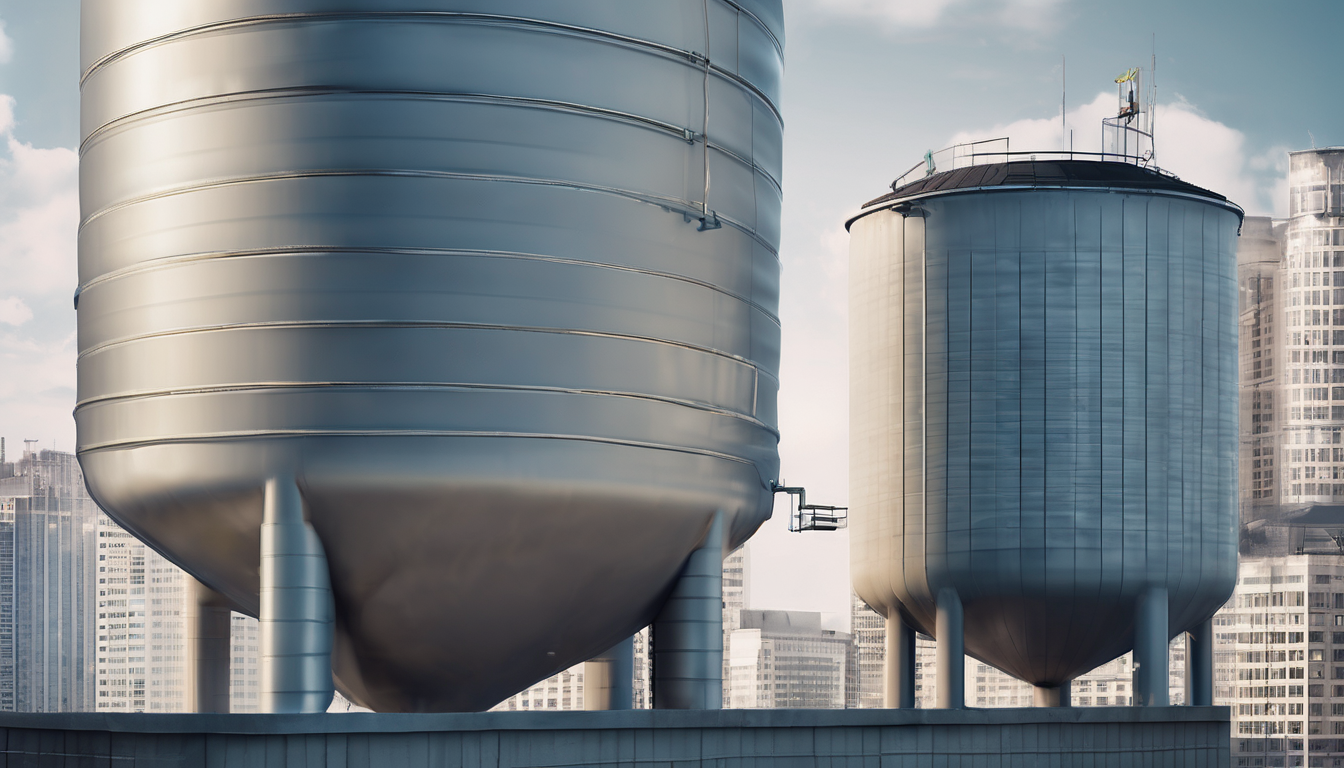
High-rise buildings present unique challenges when it comes to water tank cleaning. Due to the height and complex plumbing systems, these structures are more susceptible to contamination and sediment buildup. The Dubai Municipality (DM) recommends that high-rise building water tanks be cleaned at least once a year or as needed based on inspection results.
Understanding the Risks
Regular cleaning is necessary because of several factors:
- High temperatures and humidity, which promote bacterial growth.
- Stagnant water in tanks that can lead to sediment accumulation.
- The potential for cross-contamination from other building systems.
A dirty tank can result in poor water quality, leading to health issues such as gastrointestinal problems and skin irritation. Sediment buildup can also damage the internal components of the tank over time, affecting its efficiency and lifespan.
Frequency Of Water Tank Cleaning For High-rise Buildings – Detecting Biofilm in Water Tanks: An Expert Insight
Biofilms are a significant concern in water storage systems because they can harbor harmful bacteria. Detecting biofilm requires specific tools and expertise to ensure accurate results. Here’s how you can detect it: This relates directly to Frequency Of Water Tank Cleaning For High-rise Buildings.
Biofilm Sampling
- Collect samples from various points within the tank.
- Use a swab or specialized tool to collect biofilm samples.
- Send these samples to a laboratory for analysis.
An expert can interpret the results and recommend appropriate cleaning methods. For example, if biofilm is detected, a more thorough cleaning may be required, possibly including chemical treatments and mechanical scrubbing.
Chlorine Dosing Techniques for Water Tank Disinfection
After identifying the need for disinfection, it’s crucial to use appropriate techniques. Chlorine dosing is one of the most common methods used in high-rise buildings due to its effectiveness and ease of application.
Chlorine Dose Calculation
- Calculate the amount of chlorine needed based on tank volume (L or m3) and desired residual level.
- Add the calculated dose to the water tank through a dosing system.
- Allow sufficient dwell time for the chlorine to work, typically 12-24 hours.
It’s important to use DM-approved chemicals and follow recommended guidelines to ensure safety and effectiveness. Overdosing can be harmful, while insufficient doses may not provide adequate disinfection. When considering Frequency Of Water Tank Cleaning For High-rise Buildings, this becomes clear.
Managing Sediment Buildup in Underground Tanks
Underground tanks are particularly prone to sediment accumulation due to the nature of their location. Here’s how you can manage this issue:
Sediment Control Measures
- Install a sump pump or settling chamber at the bottom of the tank to remove sediments.
- Regularly clean these chambers and dispose of collected sediment properly.
- Use a water filtration system to trap larger particles before they reach the tank.
These measures can significantly reduce the amount of sediment in the tank, improving overall water quality. Regular maintenance is key to preventing buildup and ensuring long-term functionality of the water storage system.
Scheduling a Cleaning Program for High-Rise Building Water Tanks
Proper scheduling ensures that your high-rise building’s water tanks are cleaned at the optimal times. Here’s how to create an effective cleaning schedule: The importance of Frequency Of Water Tank Cleaning For High-rise Buildings is evident here.
Setting the Schedule
- Conduct a thorough inspection of each tank annually.
- Identify any issues such as biofilm or sediment buildup during these inspections.
- Based on findings, schedule cleaning for tanks that require it most urgently.
Avoid overloading the schedule by spreading out cleanings throughout the year. This approach ensures that resources are used efficiently and reduces downtime for residents.
Expert Tips for Maintaining High-Rise Building Water Tanks
Here are some expert tips to keep your high-rise building’s water tanks in top condition:
- Use DM-approved chemicals only: Follow recommended guidelines to ensure safe and effective disinfection.
- Regularly inspect tanks: Look for signs of biofilm, sediment buildup, or other issues that may require cleaning.
- Implement a preventive maintenance program: Regular cleaning can prevent many problems from arising in the first place.
- Document all activities: Keep detailed records of inspections, cleanings, and any maintenance performed. This will help ensure compliance with DM requirements and provide valuable information for future reference.
By following these tips, you can maintain high water quality and protect the health of residents in your building.
Frequently Asked Questions about Frequency of Water Tank Cleaning in High-Rise Buildings
- Q: How often should high-rise buildings have their water tanks cleaned?
A: High-rise buildings should have their water tanks cleaned at least once a year or as needed based on inspection results. Regular cleaning is necessary to prevent sediment buildup and ensure clean drinking water.
- Q: What are the signs that my high-rise building’s water tank needs to be cleaned?
A: Signs include poor water taste, odor, or appearance; visible sediment in taps; or reports of health issues among residents. Regular inspections can help identify these signs early.
- Q: Can I perform my own water tank cleaning?
A: It is generally recommended to hire a professional for high-rise building water tank cleaning due to the complexity and potential hazards involved. Professionals have the expertise, equipment, and safety measures in place to ensure thorough cleaning. Understanding Frequency Of Water Tank Cleaning For High-rise Buildings helps with this aspect.
Conclusion on the Importance of Regular Water Tank Cleaning for High-Rise Buildings
Regular water tank cleaning is essential for maintaining the health, safety, and hygiene of residents in high-rise buildings. By following the guidelines outlined in this guide, you can ensure that your building’s water storage systems are clean and free from contaminants. Remember to schedule inspections annually and address any issues promptly to protect the well-being of all residents. Understanding Frequency Of Water Tank Cleaning For High-rise Buildings is key to success in this area.