

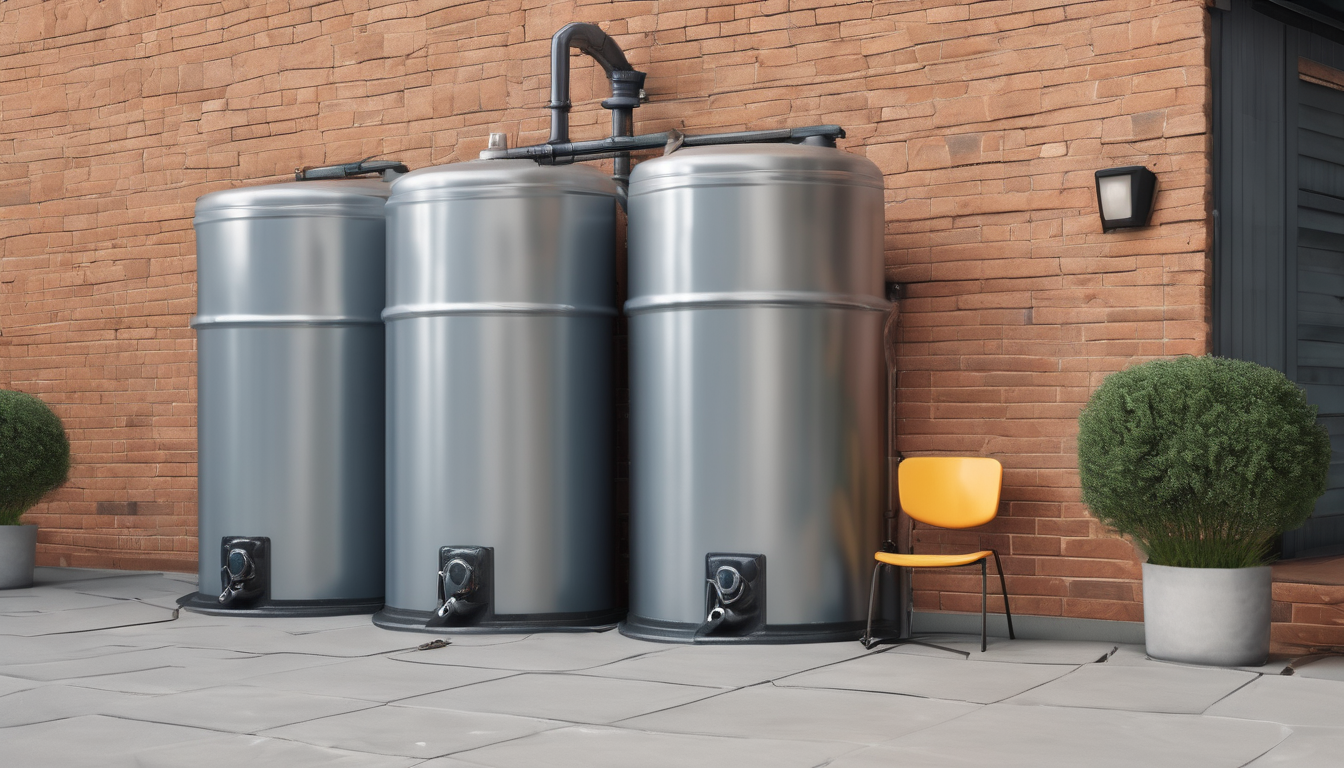

How Often Should I Clean My Domestic Water Tank – Importance of Domestic Water Tank Cleaning
Regular domestic water tank cleaning is crucial for maintaining the safety and quality of drinking water. A dirty or contaminated water tank can harbor harmful microorganisms, sediments, algae, and biofilm, which may compromise your family’s health. Ensuring that your water storage system is clean not only protects against physical contaminants but also helps in reducing the risk of bacterial growth. This relates directly to How Often Should I Clean My Domestic Water Tank.
How Often Should I Clean My Domestic Water Tank – Common Contaminants in Domestic Water Tanks
Understanding what can accumulate in a domestic water tank will help you appreciate why regular cleaning is necessary. Common contaminants include:
- Sediments and Particles: Accumulated dust, dirt, and debris from the environment.
- Algae Growth: Flourishing in warm, humid conditions, posing a health risk if ingested or inhaled.
- Biofilm Formation: Microbial colonies that can produce toxins harmful to human health.
- Rust and Minerals: Deposits from the water supply over time.
These contaminants can contribute to poor water taste, odors, and even skin issues. Regular cleaning ensures these are removed before they pose a significant risk.
How Often Should I Clean My Domestic Water Tank – Types of Domestic Water Tank Cleanings
There are two primary types of domestic water tank cleanings:
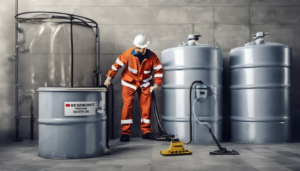
- Manual Cleaning: Utilizes brushes, scrapers, and other manual tools to remove debris.
- Mechanical Cleaning: Involves using high-pressure washers or specialized cleaning systems for more thorough removal of contaminants.
The choice between these methods depends on the tank’s condition, size, and specific requirements. Both methods are effective when performed by professionals who understand the intricacies involved in maintaining a hygienic water storage system. When considering How Often Should I Clean My Domestic Water Tank, this becomes clear.
Factors Affecting Scheduling
Several factors influence how often you should clean your domestic water tank, including:
- Tank Type and Material: Underground tanks may need more frequent cleaning than overhead ones due to increased exposure.
- Climate Conditions: High temperatures in Dubai can accelerate the growth of algae, necessitating more frequent cleanings.
- Usage Patterns: Tanks serving larger households or commercial properties require closer attention.
- Age and Maintenance History: Older tanks with poor maintenance records may need more thorough cleaning sessions.
These factors collectively determine the optimal schedule for your tank, but a general guideline is to clean every 6-12 months, depending on these variables.
Recommended Frequency for Different Tanks
The frequency of domestic water tank cleaning can vary based on the type and size of the tank. Here are some guidelines:
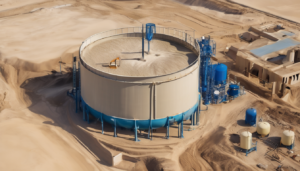
- Underground Concrete Tanks: Every 6-12 months.
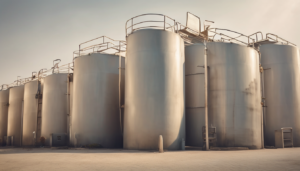
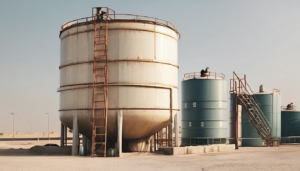
- Overhead Metal Tanks: Every 6-9 months, depending on usage and climate conditions.
- GRP (Glass-Reinforced Plastic) Tanks: Annually or biannually, as they are less prone to corrosion but still require periodic inspection.
These recommendations serve as a starting point. It’s essential to consider the local climate and specific conditions of your tank when deciding on the cleaning schedule. The importance of How Often Should I Clean My Domestic Water Tank is evident here.
Benefits of Regular Domestic Water Tank Cleaning
Regular domestic water tank cleaning offers several benefits:
- Improved Water Quality: Removal of contaminants ensures that the water you consume is safe and tastes better.
- Prolonged Tank Lifespan: Prevents corrosion and damage, extending the useful life of your tank.
- Bacterial Control: Reduces the risk of bacterial growth by eliminating breeding grounds for microorganisms.
- Peace of Mind: Knowing that your water storage system is clean provides assurance about family health and well-being.
These benefits underscore why regular cleaning is a non-negotiable aspect of maintaining a safe household environment in Dubai.
Tips for Effective Water Tank Cleaning
To ensure effective water tank cleaning, follow these tips:
- Professional Services: Engage certified professionals who adhere to Dubai Municipality guidelines and use approved chemicals.
- Careful Drainage: Ensure proper drainage before starting the cleaning process to prevent overflow or leakage.
- Thorough Rinsing: Rinse the tank thoroughly after cleaning to remove any residue, ensuring no contaminants remain.
- Regular Inspections: Schedule regular inspections to catch issues early and maintain ongoing hygiene.
These steps guarantee that your water storage system remains clean and hygienic throughout its operational life.
FAQ Section
-
Q: How can I tell if my tank needs cleaning?
A: Signs include sediment in taps, foul odor, or visible debris. Regular inspections and maintenance logs help track the condition of your tank.
Q: Can I clean my water tank myself?
A: While possible, it’s recommended to hire professionals who have experience with Dubai Municipality standards and can ensure safe and effective cleaning.
Q: How long does the entire process take?
A: The duration varies based on tank type and size but typically ranges from a few hours to a day, depending on complexity and access.
Answers these common questions to provide clarity and support decision-making regarding water tank cleaning.
Conclusion
In conclusion, regular domestic water tank cleaning is essential for maintaining the safety and quality of your household’s drinking water. By understanding the contaminants that can accumulate in tanks and following best practices for cleaning, you can ensure a safe and healthy living environment for your family. Remember to schedule cleanings based on the specific needs of your tank and consult with professionals when necessary. Understanding How Often Should I Clean My Domestic Water Tank is key to success in this area.