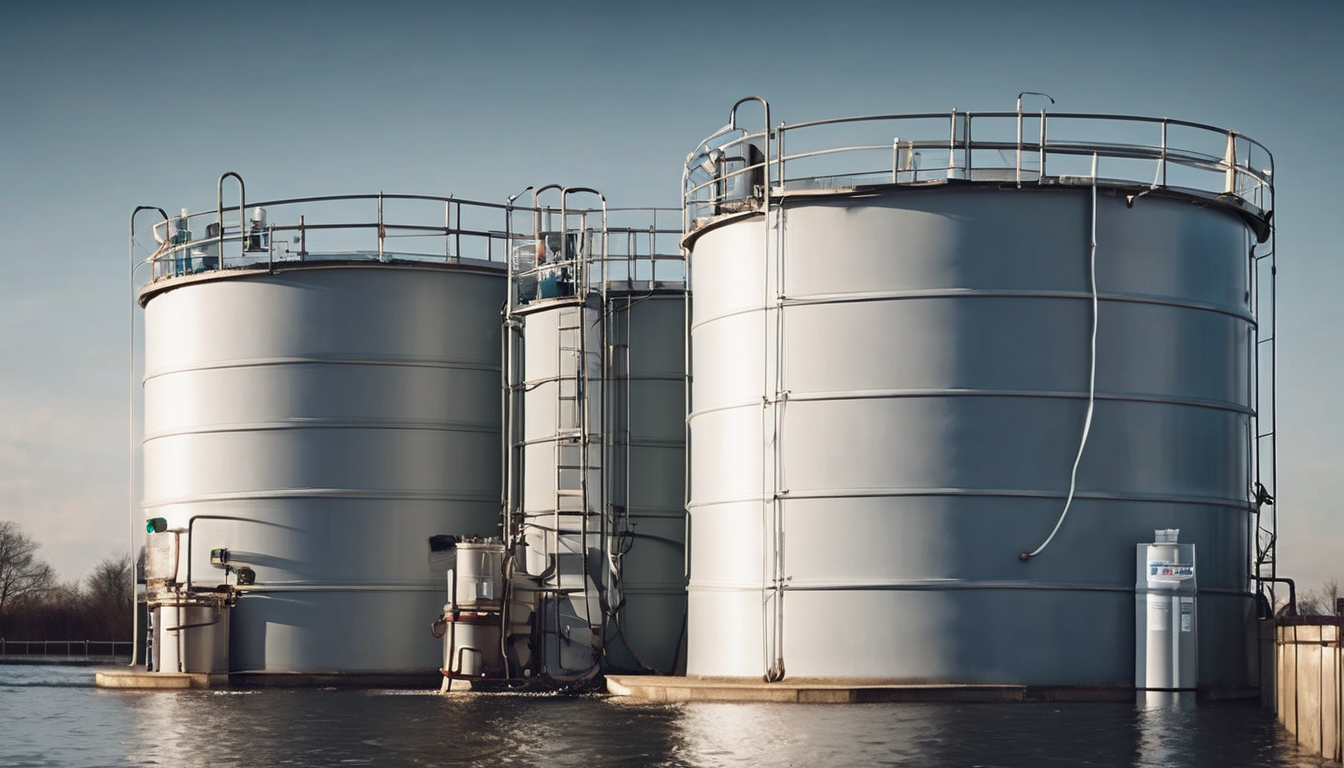




Maintaining clean water tanks in apartment buildings is not just a matter of compliance—it’s essential for resident health and water quality. How often should you clean apartment water tanks depends on multiple factors including building size, water usage patterns, and local regulations. In Dubai’s climate, where high temperatures can accelerate bacterial growth and sediment accumulation, establishing the right cleaning schedule becomes even more critical.
As a water tank cleaning specialist with over 12 years of experience servicing apartments across Dubai, Abu Dhabi, and Sharjah, I’ve witnessed how proper maintenance schedules prevent health issues and extend tank lifespan. This guide will provide comprehensive insights into determining the optimal cleaning frequency for your apartment building’s water storage system.
Understanding How Often Should You Clean Apartment Water Tanks
The fundamental question of how often should you clean apartment water tanks requires understanding that one-size-fits-all answers don’t apply. While general guidelines exist, each building has unique requirements based on its water consumption patterns, tank capacity, and environmental conditions. In my professional experience, most apartment buildings in the UAE require more frequent cleaning than standalone villas due to higher usage and complex distribution systems.
Water tanks serve as the central storage point for drinking, cooking, bathing, and cleaning water in apartment complexes. Over time, sediment, biofilm, and microorganisms accumulate even in treated water systems. The frequency of how often should you clean apartment water tanks directly impacts water quality, plumbing system longevity, and resident health. Regular maintenance prevents the buildup of harmful contaminants that can affect water taste, odor, and safety.
Why Frequency Matters for Apartment Buildings
Apartment buildings present unique challenges for water tank maintenance. Multiple residents mean higher water turnover, but also increased risk of contamination through backflow or system pressure changes. The complex piping networks in high-rise buildings can harbour bacteria if the source tank isn’t properly maintained. Determining how often should you clean apartment water tanks requires assessing these specific risk factors rather than following generic recommendations.
How Often Should You Clean Apartment Water Tanks – Dubai Municipality Regulations for Water Tank Cleaning
Dubai Municipality provides clear guidelines on how often should you clean apartment water tanks to ensure public health protection. According to local regulations, all residential and commercial buildings must clean their water tanks at least once every six months. This mandatory requirement applies to both underground and overhead tanks in apartment complexes throughout Dubai and the Northern Emirates.
The regulations specify that cleaning must be performed by Dubai Municipality-approved service providers using certified disinfectants and procedures. After cleaning, technicians must submit documentation to the authorities, including before-and-after photos, water test results, and compliance certificates. Property managers who fail to maintain this schedule may face penalties during routine inspections or when renewing building permits.
These regulations exist because stagnant water in storage tanks can develop bacterial colonies, including Legionella, which thrives in temperatures between 20-45°C—common in UAE climate conditions. The six-month requirement represents the maximum interval; many buildings require more frequent cleaning based on their specific circumstances and water quality test results.
How Often Should You Clean Apartment Water Tanks – Factors Determining Water Tank Cleaning Frequency
Several key factors influence how often should you clean apartment water tanks beyond the basic regulatory requirements. Building age plays a significant role—older structures with corroded tanks or outdated plumbing systems typically need more frequent attention. Water quality from the main supply also affects cleaning frequency, as some areas experience higher sediment content or mineral deposits.
Seasonal variations significantly impact how often should you clean apartment water tanks in the UAE. During summer months when temperatures regularly exceed 40°C, bacterial growth accelerates, potentially necessitating additional cleaning sessions. Similarly, sandstorm seasons introduce particulate matter into water systems, requiring more frequent maintenance to remove accumulated dust and sediment.
Building occupancy rates directly affect water tank cleaning schedules. High-occupancy buildings with rapid water turnover may require quarterly cleaning instead of semi-annual maintenance. Conversely, partially occupied buildings with stagnant water in tanks need careful monitoring and potentially more frequent cleaning to prevent bacterial colonization in underutilized sections of the storage system.
Recommended Cleaning Schedule for Different Apartment Types
Based on my extensive experience servicing hundreds of apartment buildings, I’ve developed specific recommendations for how often should you clean apartment water tanks based on building type. High-rise towers (20+ floors) with centralised water systems typically require quarterly cleaning due to complex plumbing networks and higher contamination risks from pressure variations and water stagnation in upper floors.
Medium-rise buildings (5-19 floors) generally follow the standard six-month cleaning schedule, though buildings with known water quality issues or older infrastructure may benefit from quarterly maintenance. Low-rise apartment complexes (2-4 floors) can often maintain the six-month schedule, but should conduct monthly visual inspections to detect early signs of contamination or sediment buildup.
Buildings with special circumstances require tailored approaches to how often should you clean apartment water tanks. Properties with medical facilities, childcare centres, or elderly residents should implement quarterly cleaning as a preventive health measure. Buildings that have experienced water quality complaints or contamination issues may need monthly cleaning until the system stabilises and water tests return normal results consistently.
Signs Your Apartment Water Tank Needs Immediate Cleaning
Certain indicators signal that your apartment water tank requires attention regardless of the scheduled maintenance timeline. Visible sediment or particles in tap water often indicates that sludge has accumulated at the tank bottom and is entering the distribution system. This situation demands immediate cleaning to prevent further contamination and potential plumbing damage throughout the building.
Unusual odours or taste changes in water frequently indicate bacterial growth or chemical contamination in storage tanks. Musty smells suggest organic matter decomposition, while chemical odours may point to disinfectant breakdown products. Discoloured water, particularly brown or yellow tints, typically signals rust accumulation or sediment disturbance in the tank system.
Unexplained health issues among residents, particularly gastrointestinal problems or skin irritations, may indicate water contamination requiring urgent tank cleaning and disinfection. Reduced water pressure throughout the building can signal sediment blockage in pipes or tanks, while sudden increases in water bills might indicate leaks or overflow issues related to tank malfunctions that require comprehensive cleaning and inspection.
Consequences of Infrequent Water Tank Cleaning
Neglecting proper schedules for how often should you clean apartment water tanks leads to serious consequences affecting both building infrastructure and resident health. Bacterial contamination represents the most significant risk, with organisms like Legionella, E. coli, and Pseudomonas aeruginosa potentially causing respiratory illnesses, gastrointestinal diseases, and skin infections, particularly among immunocompromised residents.
Sediment accumulation reduces tank capacity and water pressure throughout the building, potentially damaging pumps and plumbing fixtures. Corrosion accelerates in unclean tanks, shortening the lifespan of storage systems and requiring premature replacement at significant cost. Mineral deposits from hard water can cement sediment layers, making future cleaning more difficult and expensive.
Legal and financial repercussions include Dubai Municipality fines for non-compliance with cleaning regulations, which can reach several thousand AED for repeated violations. Property values may decrease due to known water quality issues, and insurance claims related to water-borne illnesses might be denied if proper maintenance records aren’t maintained. Resident turnover often increases in buildings with persistent water quality problems, affecting rental income and property reputation.
Professional vs DIY Water Tank Cleaning Considerations
When considering how often should you clean apartment water tanks, the method of cleaning significantly impacts effectiveness and compliance. Professional cleaning services ensure thorough removal of sediment, proper disinfection, and compliance with Dubai Municipality documentation requirements. Certified technicians use specialised equipment, approved disinfectants, and follow structured protocols that DIY approaches cannot match.
DIY cleaning attempts often miss critical steps in the process, particularly proper disinfection and biofilm removal. Without professional equipment, sediment may be stirred up rather than removed, potentially distributing contaminants throughout the building’s water system. Safety concerns include confined space entry risks, chemical handling hazards, and potential damage to tank components during unprofessional cleaning attempts.
Professional services provide documented proof of compliance, which is essential for property managers during municipal inspections or when addressing resident concerns about water quality. The cost difference between professional and DIY cleaning is typically offset by the thoroughness of results, reduced risk of future problems, and time savings for building management staff.
Cost Implications of Regular Water Tank Cleaning
Understanding the financial aspects of how often should you clean apartment water tanks helps property managers make informed maintenance decisions. Professional cleaning costs for apartment buildings typically range from AED 800 to AED 2,500 per session depending on tank capacity, accessibility, and building size. These costs represent preventive investments that avoid significantly higher expenses associated with emergency cleaning, health issues, or system failures.
Regular maintenance following proper schedules for how often should you clean apartment water tanks extends tank lifespan by 5-10 years, potentially saving 15,000-30,000 AED in premature replacement costs. Efficient water systems maintain better pressure with less pump energy consumption, reducing electricity bills by 10-15% annually. Clean tanks also minimise plumbing repairs throughout the building by preventing sediment-related blockages and corrosion issues.
Property managers should view water tank cleaning as part of routine building maintenance rather than an optional expense. Budgeting for quarterly or semi-annual cleaning ensures consistent water quality and prevents the higher costs associated with emergency services, health-related complaints, or regulatory penalties for non-compliance with Dubai Municipality requirements.
Expert Tips for Maintaining Apartment Water Tanks
Beyond understanding how often should you clean apartment water tanks, implementing these expert tips will help maintain water quality between professional cleaning sessions. Conduct monthly visual inspections of tank exteriors and accessible components for signs of damage, leakage, or contamination. Install and maintain proper tank covers to prevent insect and debris entry while allowing necessary ventilation.
Monitor water quality through simple observations of colour, odour, and taste, and encourage residents to report any changes immediately. Maintain accurate records of all cleaning sessions, water test results, and maintenance activities for compliance purposes and trend analysis. Consider installing sediment filters at tank outlets to capture particulate matter between cleaning sessions and protect building plumbing systems.
Schedule cleaning during moderate weather conditions when possible, as extreme heat can affect disinfectant effectiveness and technician safety. Coordinate with residents about water outage schedules to minimise inconvenience, typically arranging cleaning during low-usage hours. Always use Dubai Municipality-approved service providers to ensure compliance and receive proper documentation for regulatory requirements.
Frequently Asked Questions
Can we extend cleaning beyond six months if water tests are clear?
No, Dubai Municipality regulations mandate six-month cleaning regardless of water test results. Regular cleaning prevents future contamination rather than addressing existing problems only.
How long does the cleaning process typically take?
Most apartment building water tank cleaning requires 4-8 hours depending on tank size and accessibility, with water restoration within 24 hours after proper disinfection and testing.
Should we clean tanks after building renovations?
Yes, construction activities often introduce sediment and contaminants into water systems, requiring immediate cleaning regardless of regular schedule timing.
Conclusion
Determining how often should you clean apartment water tanks requires balancing regulatory requirements, building-specific factors, and preventive health considerations. While Dubai Municipality mandates six-month cleaning, many apartment buildings benefit from more frequent quarterly maintenance, particularly during high-temperature periods or in buildings with special risk factors. Regular professional cleaning represents an essential investment in resident health, building infrastructure longevity, and regulatory compliance.
By implementing a structured maintenance schedule based on your building’s specific needs and following expert recommendations for how often should you clean apartment water tanks, property managers can ensure consistent water quality, prevent health issues, and avoid the significant costs associated with neglected water storage systems. Remember that clean water is not just a convenience—it’s a fundamental requirement for resident wellbeing and building operation in Dubai’s challenging climate conditions.