








Optimal Tank Size Calculation For Residential Properties – Importance of Tank Sizing for Residential Properties
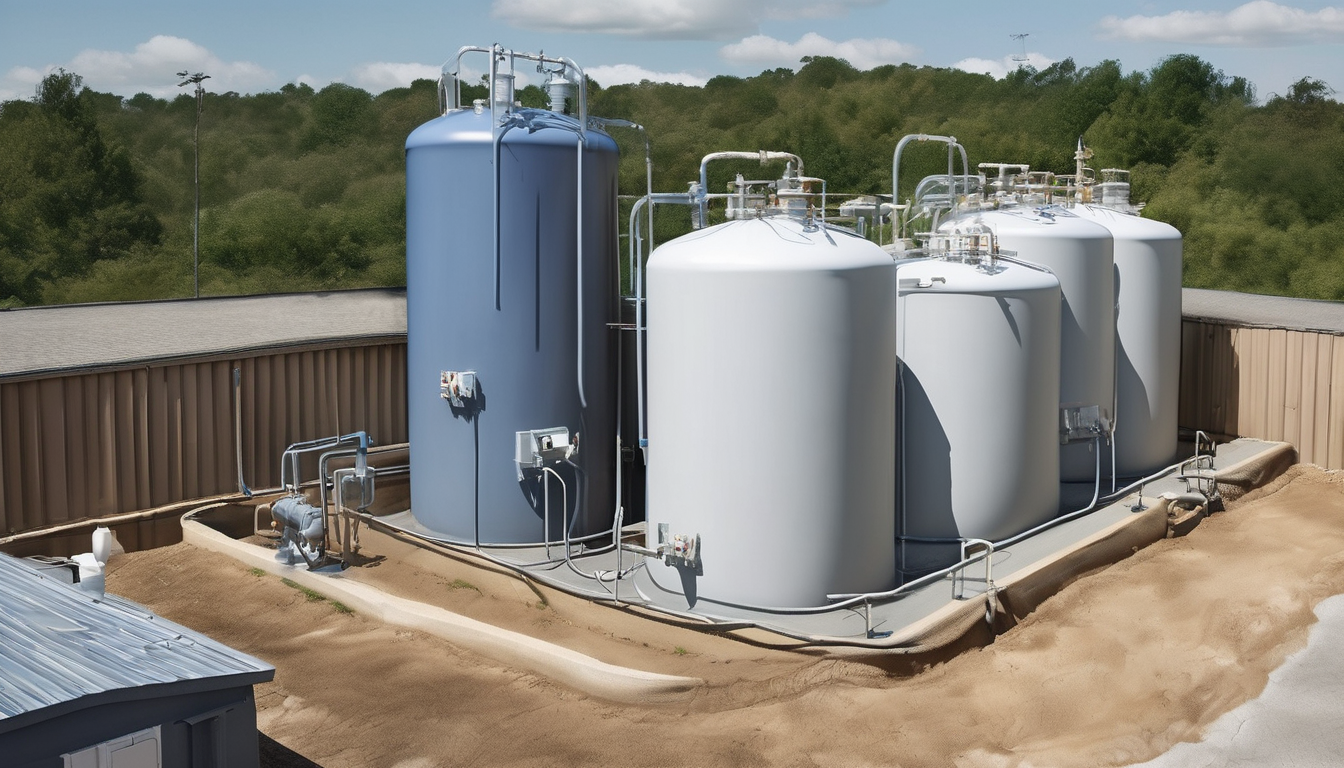
Calculating the optimal tank size is crucial to ensure a reliable water supply in residential properties. An improperly sized tank can lead to issues such as inadequate pressure, frequent flushing, and even contamination. This relates directly to Optimal Tank Size Calculation For Residential Properties.
Optimal Tank Size Calculation For Residential Properties – Factors to Consider When Calculating Tank Size
Several factors influence the correct tank size for your property:
- Water Demand: The daily water consumption of your household.
- Flow Rates: How quickly you need to supply water, especially during peak hours.
- Climate Conditions: High temperatures and humidity can increase evaporation rates.
- Local Regulations: Compliance with local guidelines ensures safe and legal use of the tank.
Water Demand and Flow Rates
Determine your household’s water demand by considering the number of occupants, their daily usage patterns, and specific needs like bathrooms, kitchens, and laundry. Peak flow rates typically occur during morning and evening hours when multiple family members use water simultaneously.
Climate and Environmental Conditions
Factors such as temperature, humidity, and wind can impact the water storage needs of your tank:
- Heat: Higher temperatures increase evaporation rates, requiring larger tanks.
- Ventilation: Good ventilation reduces stagnation and minimizes biofilm formation.
- Dust: Dust accumulation in hot climates can affect water quality.
Local Regulations and Guidelines
Complying with local regulations is essential. In Dubai, Abu Dhabi, and Sharjah, adherence to guidelines ensures safe water storage and prevents contamination:
- Dubai Municipality: Follow the municipality’s recommendations for tank sizing and maintenance.
- Abu Dhabi Municipality: Ensure compliance with their specific regulations regarding tank capacity and safety features.
Storage Duration and Retention Periods
The time water remains in the tank affects its quality. Longer storage periods increase the risk of bacterial growth, especially if not properly maintained:
- Short-term retention: For less than 24 hours.
- Medium-term retention: Between 1-3 days.
- Long-term retention: More than 3 days, requiring more frequent cleaning and disinfection.
Tank Materials and Design Considerations
The material of the tank influences its longevity and performance. Common materials include:
- Concrete: Durable but heavy, prone to cracking.
- Fiberglass (GRP): Lightweight, corrosion-resistant, and easy to clean.
- Steel: Cost-effective, but requires regular maintenance to prevent rusting.
Optimal Tank Size Calculation For Residential Properties – Expert Tips for Optimal Tank Sizing
- Consult a Professional: A plumber or water tank expert can provide tailored advice based on your specific needs.
- Regular Maintenance: Schedule routine inspections to ensure the tank’s condition and functionality.
- Consider Future Needs: Account for potential growth in your household, such as additional members or new appliances.
- Use Advanced Technologies: Modern water tanks with sensors can monitor and optimize storage levels.
FAQ Section
- How often should I clean my residential water tank?
- For optimal hygiene, schedule cleaning every 6-12 months. More frequent cleaning may be necessary for high-risk areas.
- What signs indicate a problematic water tank?
- Odors, discolored water, sediment buildup, and unusual noises during filling or emptying.
- Can I use any type of disinfectant in my residential water tank?
- No. Use only Dubai Municipality-approved chemicals to ensure safety and compliance with local regulations.
Conclusion
Optimal tank sizing is essential for ensuring a reliable, safe, and hygienic water supply in residential properties. By considering key factors like water demand, flow rates, climate conditions, and local regulations, you can make informed decisions that benefit both your family’s health and the longevity of your property. Understanding Optimal Tank Size Calculation For Residential Properties is key to success in this area.