






Understanding Identify Signs Of Sediment Buildup In Water Tanks is essential.
Understanding How to Identify Signs of Sediment Buildup in Water Tanks
Water tanks, whether underground or overhead, are essential components of any water storage system. However, they can also be a breeding ground for sediment and other contaminants. Regular maintenance is crucial to ensure the safety and quality of the stored water. This guide will help you understand How to Identify signs of sediment buildup in your water tanks.
Common Indicators of Sediment Buildup
Before diving into the inspection process, it’s important to be aware of common indicators that may suggest a sediment buildup issue. These include:
- Turbidity: Cloudy or murky water can indicate suspended particles in the tank.
- Discolored Water: Brown, yellow, or blackish tints are often signs of sediment accumulation.
- Odor: An unpleasant smell from your tap water can be a telltale sign that there’s something wrong with the stored water.
- Sediment in Water Samples: If you notice visible sediment when running the tap, it’s time to inspect the tank.
How to Inspect Your Water Tanks
Regular inspections are key to maintaining a clean and safe water storage system. Here’s how you can conduct an inspection:
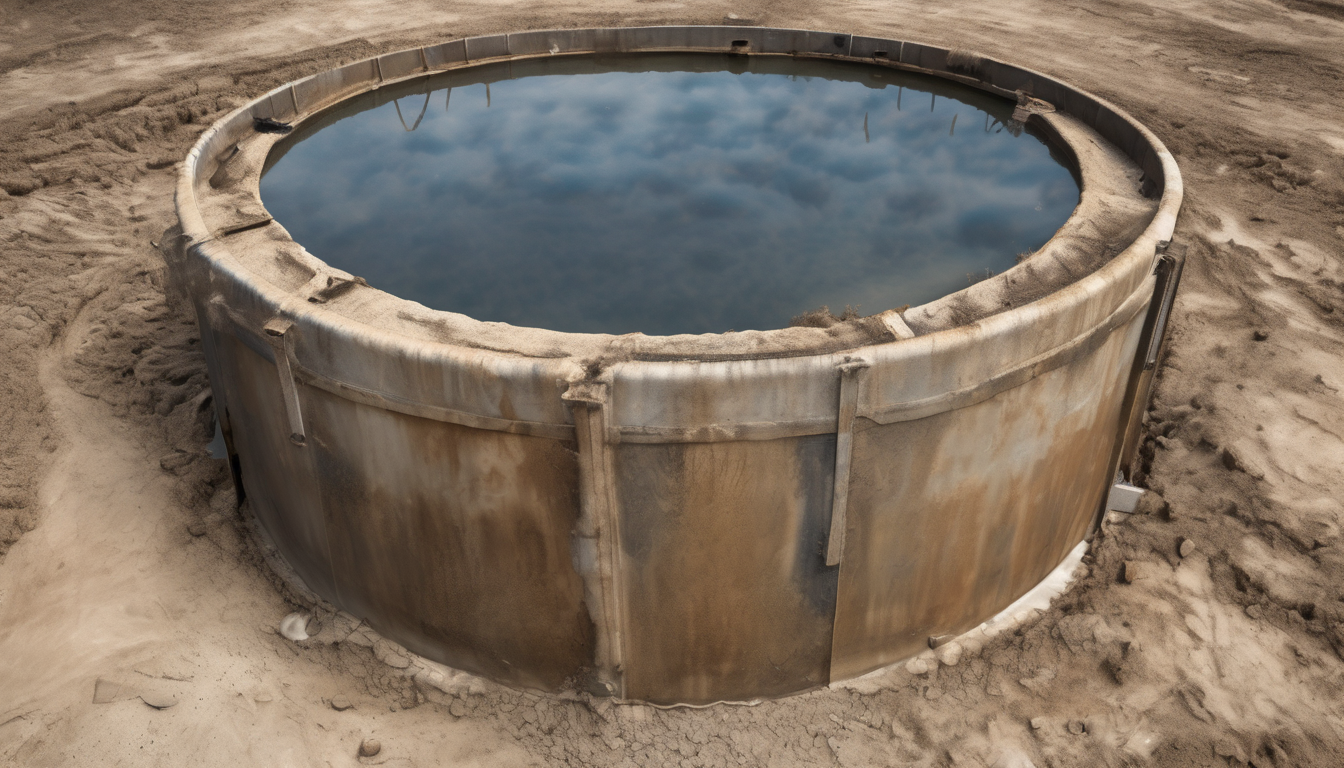
- Observe the Tank Visually: Check for visible signs of dirt, rust, or algae on the exterior.
- Check the Water Quality: Run a small amount of water from your tap and observe its clarity. If it’s cloudy or discolored, there might be issues inside the tank.
- Listen for Sounds: Gently open the tank valve and listen for any unusual sounds that could indicate cracks or leaks.
- Check for Odors: Smell the water; a musty or foul odor is a red flag for sediment buildup.
Signs of Dirty Tanks
If you notice any of these signs, it’s time to clean your tank thoroughly:
- Visible Sediment in the Tank: Accumulated debris on the bottom or walls of the tank.
- Algae Growth: Greenish patches indicating excessive water stagnation and poor circulation.
- Rust Buildup: Iron oxide deposits, particularly in tanks made from metal materials.
- Foul Odors: Persistent smells that don’t go away after boiling the water or using filters.
Professional Services for Sediment Removal
If your inspection reveals significant sediment buildup, it’s recommended to call in a professional cleaning service. These experts have the necessary tools and expertise to:
- Drain and Clean Tanks Thoroughly: Remove all accumulated sediment and clean the interior surfaces.
- Disinfect Using Approved Chemicals: Apply safe, Dubai Municipality-approved disinfectants to kill any remaining bacteria or microorganisms.
- Rinse and Refill Tanks: Ensure that all cleaning agents are thoroughly rinsed out before refilling the tank with fresh water.
Preventing Future Buildup
To prevent sediment buildup in your water tanks, follow these maintenance practices:
- Regular Cleaning Schedule: Plan annual or bi-annual cleaning depending on the tank type and usage.
- Promote Proper Circulation: Install a circulation pump to ensure consistent water flow through the system.
- Use Filtration Systems: Install sediment filters at the point of use or near the tank inlet to trap larger particles before they enter your pipes.
Expert Tips on Tank Cleaning and Maintenance
To keep your water tanks in optimal condition, consider these expert tips:
- Choose the Right Time: Schedule cleanings during periods of low demand to minimize disruptions.
- Use Safe Chemicals: Always use Dubai Municipality-approved disinfectants to avoid any potential health risks.
- Document Your Maintenance: Keep a log of cleaning dates, inspections, and any issues encountered for compliance records.
FAQs About Sediment Buildup in Water Tanks
- How often should I clean my water tank?
- The frequency depends on the type of tank and its usage. Generally, annual or bi-annual cleanings are recommended.
- What if I can’t find any signs of sediment buildup during inspection?
- If you’re unsure, it’s best to have a professional conduct a thorough inspection and cleaning, even if no immediate issues are visible.
- Can DIY methods be used for tank cleaning?
- While some DIY techniques can help maintain the tank, professional services provide better results and ensure compliance with safety standards.
Conclusion
Identifying signs of sediment buildup in water tanks is crucial to maintaining a clean and safe water supply. Regular inspections, combined with professional cleaning when necessary, can prevent health risks and ensure your family has access to high-quality drinking water.