






Al Joud Centre, Office 115, 15 A St, Sheikh Zayed Road, Al Quoz Ind. 1, Dubai, UAE

Edit Content

Air

    • Residential AC Cleaning
    • Corporate AC Cleaning
    • Indoor Air Quality Testing

Water

    • Water Tank Cleaning
    • Whole House Filtration
    • Water Testing

Surface

    • Pest / Termite Control
    • Hygienization Deep Cleaning
    • Mould Remediation
    • Surface Disinfection
    • Surface Testing

Concepts

    • SaniFlex
    • Pristine 
 

#trending on SaniEx

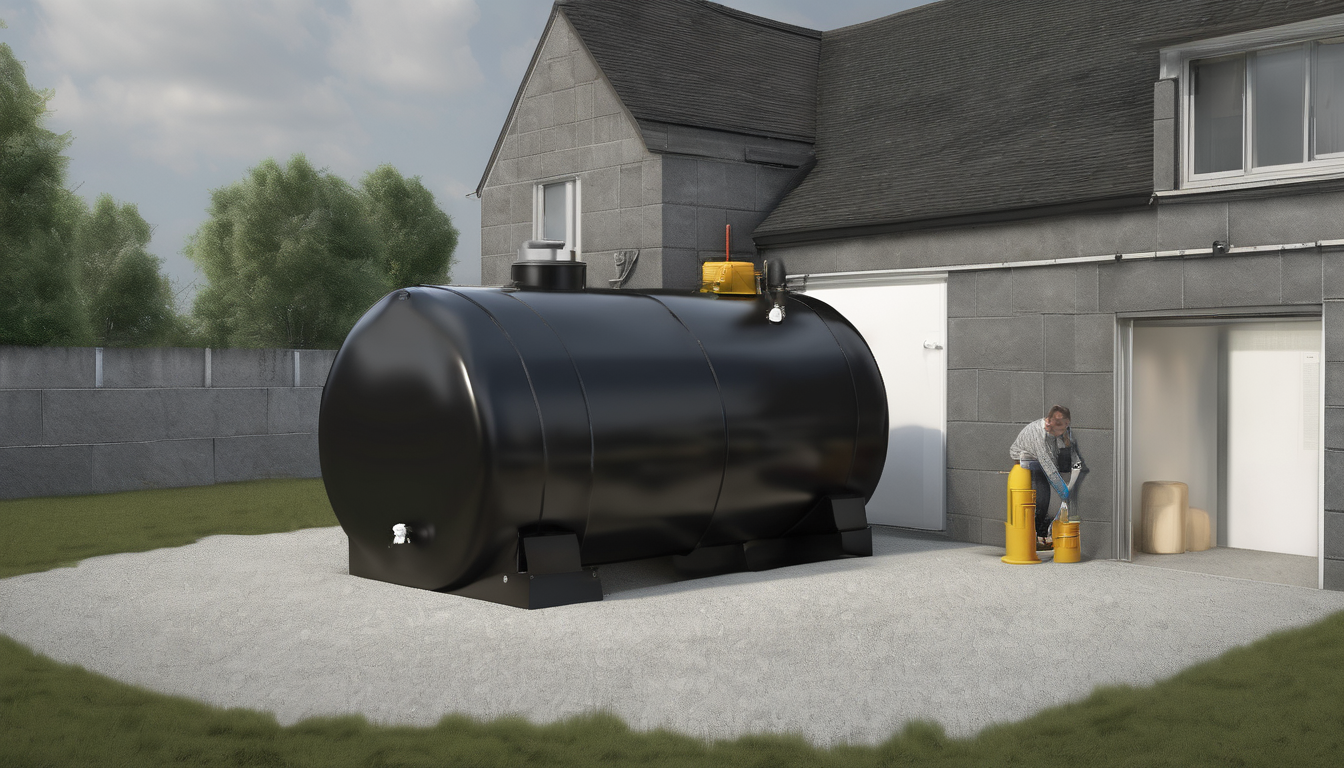
Featured image for: Steps For Safely Flushing A Black Water Storage Tank

Black Water Storage Tank: Steps For Safely Flushing A

Understanding Steps for safely Flushing A Black Water Storage Tank is essential. — Steps for Safely Flushing a Black Water Storage Tank Table of Contents Introduction to Flushing Black Water Storage Tanks Why Flush a Black Tank? Preparation and Planning

Read More »
flush black tank with potable water - Flush Black Tank With Potable Water - A Guide

Flush Black Tank With Potable Water – A Guide

Understanding Flush Black Tank With Potable Water is essential. — TITLE— — META— — EXCERPT— In this comprehensive guide, we address whether flushing a black tank with potable water is a safe practice. We explore the potential risks, benefits, and

Read More »
post-header

Understanding Steps for safely Flushing A Black Water Storage Tank is essential. —

Steps for Safely Flushing a Black Water Storage Tank

Introduction to Flushing Black Water Storage Tanks

Flushing a black water storage tank is an essential process for maintaining the hygiene and safety of your household’s water supply. A black water storage tank, also known as a greywater or non-potable water tank, stores water used in bathrooms, laundry areas, and sometimes kitchens that are not intended for drinking but still require safe handling.

Steps For Safely Flushing A Black Water Storage Tank: Why Flush a Black Tank?

Regularly flushing black water storage tanks helps to prevent the buildup of sediment, biofilm, and other contaminants. This process ensures that the water remains clean, reducing the risk of unpleasant odors, tastes, and health issues. Additionally, it is required by local health regulations in Dubai, Abu Dhabi, and Sharjah to ensure compliance with hygiene standards.

Steps For Safely Flushing A Black Water Storage Tank – Preparation and Planning Before Flushing

Before you begin the flushing process, make sure to prepare adequately:

  • Close the Tank Access Valve: This prevents any accidental overflow during the flushing.
  • Drainage Area: Ensure that a suitable drainage area is available for the water to flow out. Avoid areas where contamination might occur, such as food preparation areas or living spaces.
  • Adequate Time: Plan at least two hours for the flushing process to ensure thorough cleaning.

Steps For Safely Flushing A Black Water Storage Tank – Removal of Sediment and Contaminants

The goal is to remove all sediment, biofilm, and other contaminants that have accumulated over time. This can be done through a combination of manual and mechanical methods: This relates directly to Steps For Safely Flushing A Black Water Storage Tank.

  • Manual Cleaning: Use appropriate cleaning brushes or scrapers to scrub the interior surfaces.
  • Mechanical Methods: Employ specialized equipment like vacuum cleaners or pressure washers for deeper cleaning.

Using Potable Water vs. Specialized Chemicals for Tank Flushing

The choice between using potable water and specialized chemicals depends on the tank’s intended use:

  • Potable Water: Suitable for non-potable tanks used in bathrooms, laundry areas.
  • Specialized Chemicals: Essential for tanks that are part of a potable water system. Use only DM-approved chemicals to avoid contamination.

Safe Flushing Procedures

Follow these steps for safe and effective flushing:

  1. Start with Cold Water: Open the access valve and let cold water flow out first to flush any debris.
  2. Add Cleaning Agent (if using): Pour in the appropriate amount of cleaning solution as per manufacturer guidelines.
  3. Flush for at Least Two Hours: Allow the water to run continuously, ensuring all contaminants are flushed out.
  4. Rinse Thoroughly: Drain any remaining chemicals and flush with clean potable water until no residual odor or taste remains.

Post-Flush Inspection and Maintenance

A thorough inspection is necessary to ensure the tank has been properly cleaned and maintained:

  • Inspect Tank Interior: Check for any visible signs of contamination or damage.
  • Test Water Quality: Sample water from different points in the system to confirm it meets hygiene standards.
  • Record Findings and Maintenance Schedule: Document the findings and schedule future maintenance, ensuring ongoing compliance with local health regulations.

Tips for Effective Flushing

To ensure effective flushing of a black water storage tank:

  1. Select Appropriate Equipment: Use tools that are designed for the task to avoid damage.
  2. Ensure Proper Ventilation: Open windows and use fans to prevent inhalation of harmful fumes, if using chemicals.
  3. Use Adequate Pressure: Ensure sufficient water pressure to flush out all contaminants effectively.

Frequently Asked Questions (FAQ)

Q1: Can black tanks be flushed with potable water?

A1: Yes, but only if the tank is not part of a potable water system. For safety and compliance, always use appropriate cleaning agents as per local health regulations. The importance of Steps For Safely Flushing A Black Water Storage Tank is evident here.

Q2: Should a separate hose be used for flushing black tanks?

A2: It’s recommended to use a separate hose or clear markings on the main hose to avoid cross-contamination of water sources.

Q3: How often should black tanks be flushed?

A3: At least once every 6 months, more frequently if the tank is used intensively or in areas with high dust accumulation. When considering Steps For Safely Flushing A Black Water Storage Tank, this becomes clear.

Conclusion

Flushing a black water storage tank is crucial for maintaining hygiene and safety. By following these steps and tips, you can ensure that your household’s water supply remains clean and free from contaminants. Always adhere to local health regulations and use appropriate cleaning agents to avoid any risks. Understanding Steps For Safely Flushing A Black Water Storage Tank helps with this aspect.

Steps for safely flushing a black water storage tank are essential to maintaining the hygiene and safety of your household’s water supply. A black water storage tank, often used in bathrooms, laundry areas, or kitchens, requires regular cleaning to prevent sediment buildup, biofilm formation, and other contaminants from affecting the water quality.

Introduction to Flushing Black Water Storage Tanks

Flushing a black water storage tank is an important maintenance task that helps in preventing the accumulation of harmful substances. This process ensures that the stored water remains clean and safe for non-potable use, reducing the risk of unpleasant odors, tastes, and health issues. In Dubai, Abu Dhabi, and Sharjah, regular flushing of these tanks is mandated by local health regulations to ensure compliance with hygiene standards.

Why Flush a Black Tank?

Regularly flushing black water storage tanks helps in several ways:

  • Removes Sediment and Contaminants: Accumulated debris can affect the quality of stored water.
  • Prevents Biofilm Growth: Biofilms can harbor harmful microorganisms, leading to health risks.
  • Avoids Unpleasant Odors and Tastes: Flushing removes unpleasant odors and tastes that can affect household use.

Preparation and Planning Before Flushing

To prepare for tank flushing, follow these steps:

  • Close the Tank Access Valve: Prevent any accidental overflow during the flushing process.
  • Drainage Area: Ensure a suitable drainage area is available. Avoid areas where contamination might occur.
  • Adequate Time: Plan at least two hours for the flushing process to ensure thorough cleaning.

Removal of Sediment and Contaminants

The removal of sediment, biofilm, and other contaminants is crucial. Use a combination of manual and mechanical methods:

  • Manual Cleaning: Scrub the interior surfaces with appropriate brushes or scrapers.
  • Mechanical Methods: Employ vacuum cleaners or pressure washers for deeper cleaning.

Using Potable Water vs. Specialized Chemicals for Tank Flushing

The choice between using potable water and specialized chemicals depends on the tank’s intended use:

  • Potable Water: Suitable for non-potable tanks used in bathrooms, laundry areas.
  • Specialized Chemicals: Essential for tanks that are part of a potable water system. Use only DM-approved chemicals to avoid contamination.

Safe Flushing Procedures

Follow these steps for safe and effective tank flushing:

  1. Start with Cold Water: Open the access valve and let cold water flow out first to flush any debris.
  2. Add Cleaning Agent (if using): Pour in the appropriate amount of cleaning solution as per manufacturer guidelines.
  3. Flush for at Least Two Hours: Allow the water to run continuously, ensuring all contaminants are flushed out.
  4. Rinse Thoroughly: Drain any remaining chemicals and flush with clean potable water until no residual odor or taste remains.

Post-Flush Inspection and Maintenance

A thorough inspection is necessary to ensure the tank has been properly cleaned and maintained:

  • Inspect Tank Interior: Check for any visible signs of contamination or damage.
  • Test Water Quality: Sample water from different points in the system to confirm it meets hygiene standards.
  • Record Findings and Maintenance Schedule: Document the findings and schedule future maintenance, ensuring ongoing compliance with local health regulations.

Tips for Effective Flushing

To ensure effective tank flushing:

  • Select Appropriate Equipment: Use tools designed for the task to avoid damage.
  • Ensure Proper Ventilation: Open windows and use fans to prevent inhalation of harmful fumes, if using chemicals.
  • Use Adequate Pressure: Ensure sufficient water pressure to flush out all contaminants effectively.

Frequently Asked Questions (FAQ)

Q1: Can black tanks be flushed with potable water?

A1: Yes, but only if the tank is not part of a potable water system. For safety and compliance, always use appropriate cleaning agents as per local health regulations.

Q2: Should a separate hose be used for flushing black tanks?

A2: It’s recommended to use a separate hose or clear markings on the main hose to avoid cross-contamination of water sources.

Q3: How often should black tanks be flushed?

A3: At least once every 6 months, more frequently if the tank is used intensively or in areas with high dust accumulation.

Conclusion

Flushing a black water storage tank is crucial for maintaining hygiene and safety. By following these steps and tips, you can ensure that your household’s water supply remains clean and free from contaminants. Always adhere to local health regulations and use appropriate cleaning agents to avoid any risks.

Steps for safely flushing a black water storage tank are essential to maintaining the hygiene and safety of your household’s water supply. A black water storage tank, often used in bathrooms, laundry areas, or kitchens, requires regular cleaning to prevent sediment buildup, biofilm formation, and other contaminants from affecting the water quality.

Regularly flushing these tanks ensures that the stored water remains clean and safe for non-potable use, reducing the risk of unpleasant odors, tastes, and health issues. In Dubai, Abu Dhabi, and Sharjah, regular tank cleaning is mandated by local health regulations to ensure compliance with hygiene standards. Steps For Safely Flushing A Black Water Storage Tank factors into this consideration.

Steps for safely flushing a black water storage tank – detailed instructions on how to clean your household’s non-potable water system

Previous post
Next post
Related Posts
Leave a Reply

Your email address will not be published. Required fields are marked *