



Understanding Preventive Maintenance Schedules for Big Water Storage Tanks
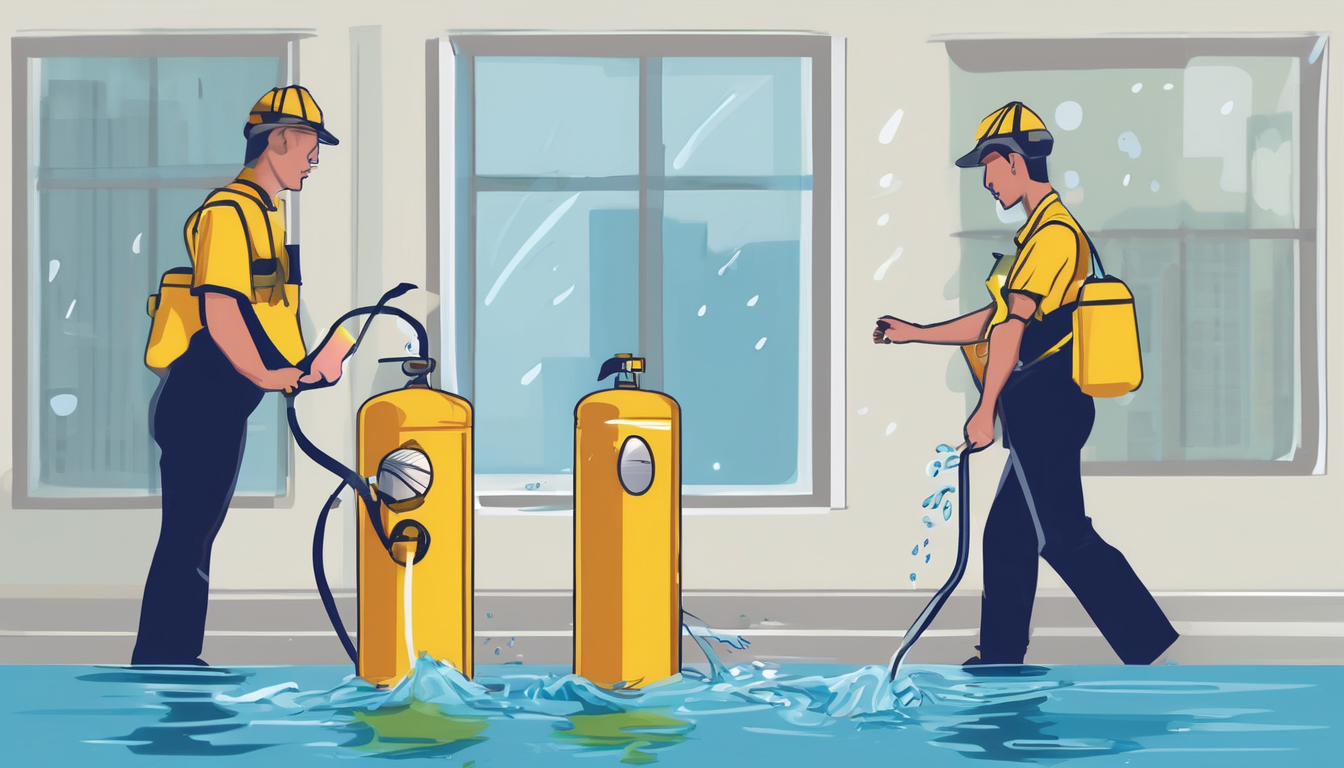
Regular preventive maintenance schedules are essential to ensure the safety and hygiene of water storage tanks in large properties. These tanks, often found in villas, apartment buildings, and commercial establishments, can harbor contaminants if not regularly cleaned and disinfected.
Why Regular Maintenance is Crucial
Regular maintenance helps prevent the buildup of sediment, algae, and biofilm, which can lead to water contamination. By addressing these issues before they become serious, we can protect families from potential health risks and ensure a reliable supply of clean drinking water.
Preventive Maintenance Schedules For Big Water Storage Tanks – Why Regular Maintenance is Crucial
Regular maintenance helps prevent the buildup of sediment, algae, and biofilm, which can lead to water contamination. By addressing these issues before they become serious, we can protect families from potential health risks and ensure a reliable supply of clean drinking water.
Identifying the Right Frequency of Maintenance
The frequency of maintenance for big water storage tanks depends on several factors, including the type of tank (underground or overhead), its size, location, and usage. Generally, it is recommended to have a professional clean and disinfect the tank every 6-12 months.
What to Look for in a Preventive Maintenance Schedule
A comprehensive preventive maintenance schedule should include:
- Draining and isolating the tank safely
- Manual and mechanical cleaning of the tank interior
- Application of controlled disinfection procedures (using DM-approved chemicals)
- Rinsing and refilling with clean water
- Inspection for cracks, leaks, or contamination
- Maintaining detailed service checklists and compliance logs
Preventive Maintenance Schedules For Big Water Storage Tanks – How to Remove Algae from Large Water Tanks
Algae growth can significantly impact water quality. To remove algae effectively:
- Drain the tank and isolate it from the main water supply.
- Use a strong jet of water or a specialized cleaning brush to scrub the interior walls.
- Add a suitable algaecide solution according to manufacturer instructions, then circulate the water for several hours.
- Rinse thoroughly before refilling the tank with clean water.
Chlorination Techniques for Effective Water Tank Cleaning
Chlorine is a common disinfectant used to kill bacteria and other microorganisms. To chlorinate effectively:
- Prepare the tank by draining it and isolating it.
- Add chlorine solution at the recommended concentration, ensuring proper mixing with water.
- Circulate the water for several hours to allow complete contact time.
- Flush out any excess chemicals before refilling the tank.
Advanced Sediment Removal Methods in Large Water Tanks
Sediment buildup can compromise water quality. To remove sediment effectively:
- Drain and isolate the tank.
- Use a vacuum cleaner or specialized suction equipment to remove settled particles.
- Rinse thoroughly with clean water before refilling.
Best Practice for Big Tank Maintenance
To maintain the best practices in big tank maintenance, follow these steps:
- Conduct pre-cleaning inspections and risk assessments.
- Use appropriate personal protective equipment (PPE) such as gloves and masks.
- Follow Dubai Municipality-approved cleaning procedures to ensure compliance.
- Maintain detailed service logs for tracking and reporting purposes.
Common Mistakes to Avoid
Avoid the following common mistakes during big tank maintenance:
- Using harsh chemicals that can damage the tank or water quality.
- Failing to isolate the tank properly, leading to cross-contamination.
- Omitting critical steps in the cleaning and disinfection process.
Expert Tips for Big Water Storage Tanks
- Regularly monitor water quality using appropriate testing kits.
- Keep a detailed record of all maintenance activities, including dates and findings.
- Ensure that the tank is properly sealed to prevent entry of contaminants.
- Institute a regular inspection schedule to identify potential issues early.
Frequently Asked Questions About Preventive Maintenance Schedules
- Q: How often should I clean my big water storage tank?
A: For optimal safety, we recommend cleaning every 6 to 12 months. - Q: What are the signs that indicate it’s time for a maintenance check?
A: Look out for foul odors, discolored water, or visible sediment in taps. - Q: Can I perform my own cleaning or should I hire professionals?
- A: For safety and effectiveness, we recommend hiring certified professionals who have the necessary expertise and equipment.
Conclusion
Regular preventive maintenance schedules are crucial for maintaining clean, hygienic water in big storage tanks. By following best practices, avoiding common mistakes, and engaging professional services when needed, you can ensure a safe and reliable supply of drinking water for your family or commercial property.