



Introduction: Understanding What’s the Best Way to Purify Big Tanks of Water?
Understanding What’s The Best Way To Purify Big Tanks Of Water is essential. Water storage tanks are crucial for providing clean, potable water across various settings such as homes, commercial buildings, and medical facilities. However, without proper maintenance, these tanks can become breeding grounds for contaminants, leading to potential health hazards. This guide aims to provide a comprehensive approach to purifying big tanks of water, ensuring that your water storage is safe, hygienic, and compliant with local regulations.
What’s The Best Way To Purify Big Tanks Of Water – Disinfection Procedures for Large Storage Tanks
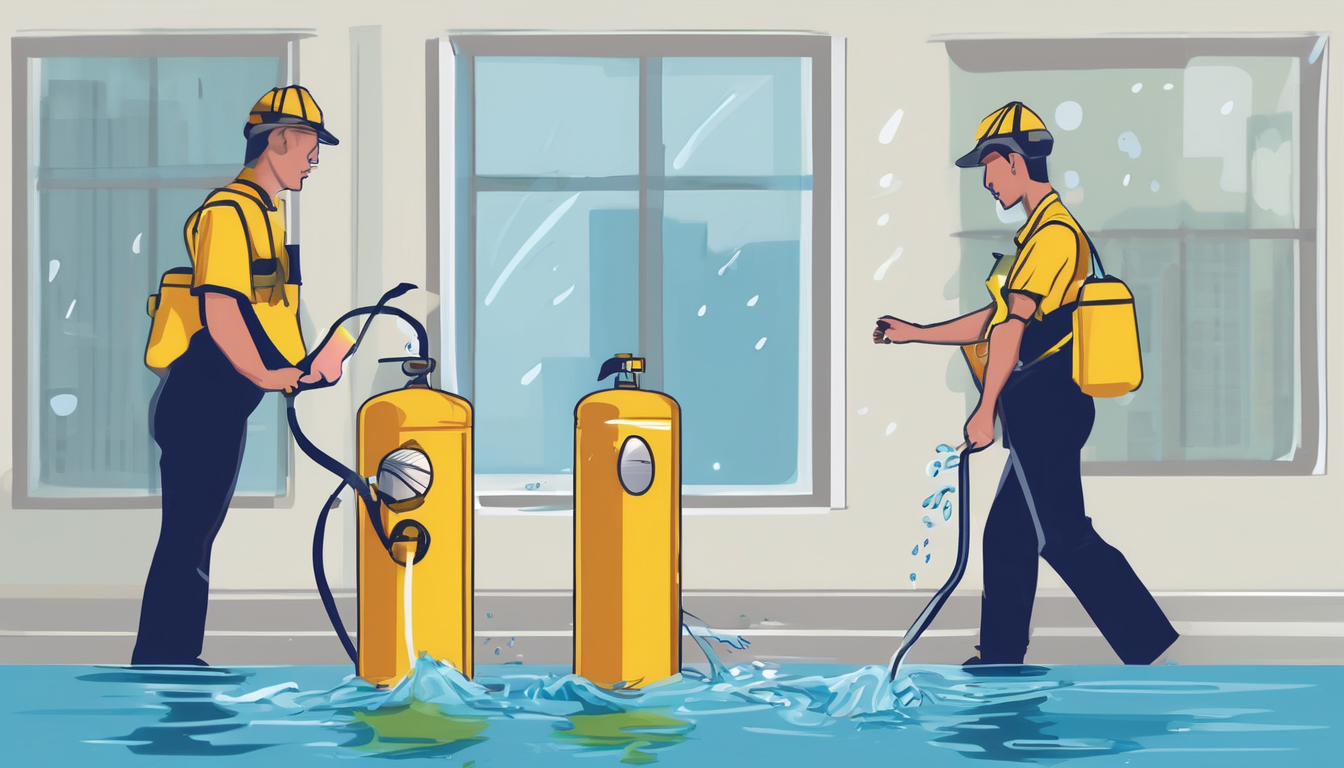
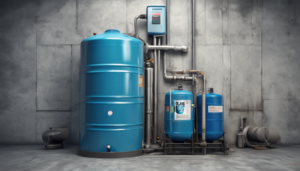
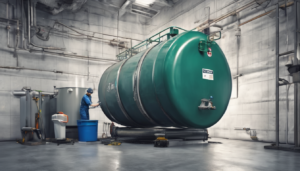
Proper disinfection is critical to remove harmful contaminants from large water storage tanks. The process involves draining the tank, applying a suitable disinfectant, and then thoroughly rinsing before refilling. In Dubai, it’s essential to use chemicals approved by the Dubai Municipality (DM) for safety and compliance.
For instance, chlorine-based solutions are commonly used due to their effectiveness in killing bacteria and viruses. However, alternatives like ultraviolet (UV) light or ozone treatments can also be considered based on specific requirements and environmental factors.
Chemical Disinfection: A Step-by-Step Guide
- Drain the tank completely to remove any existing contaminants.
- Inspect the interior for cracks or leaks that may need repair before disinfection.
- Apply the chosen disinfectant according to manufacturer instructions, ensuring even coverage.
- Allow sufficient dwell time for the chemical to work effectively (typically 24-48 hours).
- Rinse thoroughly with clean water until no residual chemicals are present.
What’s The Best Way To Purify Big Tanks Of Water – Choosing the Right Chemicals and Solutions
The selection of appropriate disinfectants is crucial for effective purification. In Dubai, it’s important to use products that meet DM standards. Common choices include: This relates directly to What’s The Best Way To Purify Big Tanks Of Water.
- Chlorine-based solutions: Highly effective against a wide range of microorganisms.
- Ozone treatment: Provides strong antimicrobial action with fewer by-products compared to chlorine.
- UV light systems: Useful for small tanks or as an additional layer in larger storage facilities.
Maintenance Routines for Long-Term Hygiene
To ensure continuous water safety, regular maintenance routines are necessary. These can include:
- Quarterly inspections to check for physical damage or signs of contamination.
- Semi-annual deep cleaning and disinfection cycles.
- Daily monitoring of water quality through simple tests at key points in the system.
Regular Inspections and Testing
Periodic testing is essential to validate that your purification efforts are effective. Key tests include:
- Bacteriological analysis: Checks for presence of harmful bacteria like E.coli.
- Chemical analysis: Ensures levels of chlorine or other disinfectants remain within safe parameters.
- Physical inspections: Look out for visible signs of contamination, such as sludge accumulation.
Environmental Considerations in Water Tank Purification
Eco-friendly practices should be considered when purifying large water storage tanks. These include:
- Using biodegradable disinfectants to minimize environmental impact.
- Implementing energy-efficient systems like UV light or ozone treatment.
- Recycling used water where possible, subject to local regulations and conditions.
Sustainable Practices for Eco-Friendly Maintenance
Adopting sustainable practices not only benefits the environment but also demonstrates corporate responsibility. These can include:
- Using solar-powered UV disinfection systems where sunlight is abundant.
- Implementing water-saving measures to reduce overall consumption.
- Utilizing modular tanks that are easier to clean and maintain.
Case Studies and Examples of Effective Tank Purification
Here are a few examples of successful large tank purification projects:
- A high-rise apartment complex in Dubai that switched to UV treatment, reducing maintenance costs while maintaining water quality.
- A hospital in Abu Dhabi using ozone disinfection for its critical water storage tanks, ensuring sterile conditions for patient care.
Expert Tips for Maintaining Clean Water Storage
Here are some practical tips to ensure optimal water tank purification:
- Follow manufacturer instructions: Always adhere to the guidelines provided by disinfectant manufacturers.
- Regular training: Ensure all staff involved in maintenance are properly trained and informed about best practices.
- Documentation: Maintain detailed logs of all cleaning, disinfection, and testing activities for compliance purposes.
FAQ: Frequently Asked Questions about Water Tank Cleaning
- Q1: How often should I clean my water storage tank?
- A1: The frequency depends on usage, but typically every six months to a year is recommended.
- Q2: Can I use natural methods instead of chemicals?
- A2: While natural methods like vinegar can be used for cleaning, they are not effective as disinfectants and may require additional steps.
- Q3: How do I know if my water is safe after purifying the tank?
- A3: Conduct regular testing using kits available at local hardware stores or consult with a professional for more thorough analysis.
Conclusion: Ensuring Safe Drinking and Usage Year-Round
By following these comprehensive guidelines, you can ensure that your large water storage tanks remain clean and safe for use. Regular maintenance, proper disinfection procedures, and adherence to local regulations are key to maintaining a hygienic environment. Remember, the goal is not just to remove contaminants but also to protect public health and comply with legal requirements. Understanding What’s The Best Way To Purify Big Tanks Of Water is key to success in this area.