








—
The quality of the water we use daily can significantly impact our health. In this comprehensive guide, we’ll explore the best methods to prevent algae and bacteria growth in your water tanks, ensuring that you and your family enjoy clean, safe water every day.
Understanding 1 Best Prevent Algae and Bacteria in Water Tanks
Algae and bacteria can quickly become a major problem in water storage tanks, especially in environments with high temperatures, humidity, or poor ventilation. These microorganisms not only affect the taste and smell of your drinking water but can also pose serious health risks. This relates directly to 1 Best Prevent Algae And Bacteria In Water Tanks.
Risk Factors for Algae Growth
- High temperatures (above 25°C/77°F)
- Abundant sunlight exposure
- Stagnant water conditions
- Lack of proper aeration and circulation
Risk Factors for Bacterial Growth
- Improper pH levels (too high or too low)
- Poor water quality
- Lack of regular cleaning and maintenance
- Presence of organic matter in the tank
The 1 Best Prevent Algae and Bacteria in Water Tanks involves a combination of preventive measures, regular cleaning, and advanced disinfection techniques. This guide will cover each step to ensure your water tanks remain free from harmful microorganisms.
1 Best Prevent Algae And Bacteria In Water Tanks – Risk Assessment for Your Water Tank
Before initiating any cleaning or maintenance activities, it’s crucial to conduct a thorough risk assessment of your water tank. This will help identify potential issues and determine the best course of action.
- Tank Type: Determine if you have an overhead or underground tank, as each requires different cleaning techniques.
- Age and Condition: Check for any signs of wear and tear, such as cracks or leaks that could allow contaminants to enter the system.
- Location: Consider factors like exposure to sunlight and proximity to areas with high humidity levels.
- Potable Water Status: Ensure the tank is used for potable water, as non-potable systems require different maintenance procedures.
A risk assessment can be conducted by a professional or you may refer to local guidelines from the Dubai Municipality. Understanding your specific situation will enable you to tailor your preventive measures effectively. When considering 1 Best Prevent Algae And Bacteria In Water Tanks, this becomes clear.
Cleaning Tools and Procedures
Proper cleaning tools and procedures are essential for preventing algae and bacteria growth in water tanks. Here’s what you need:
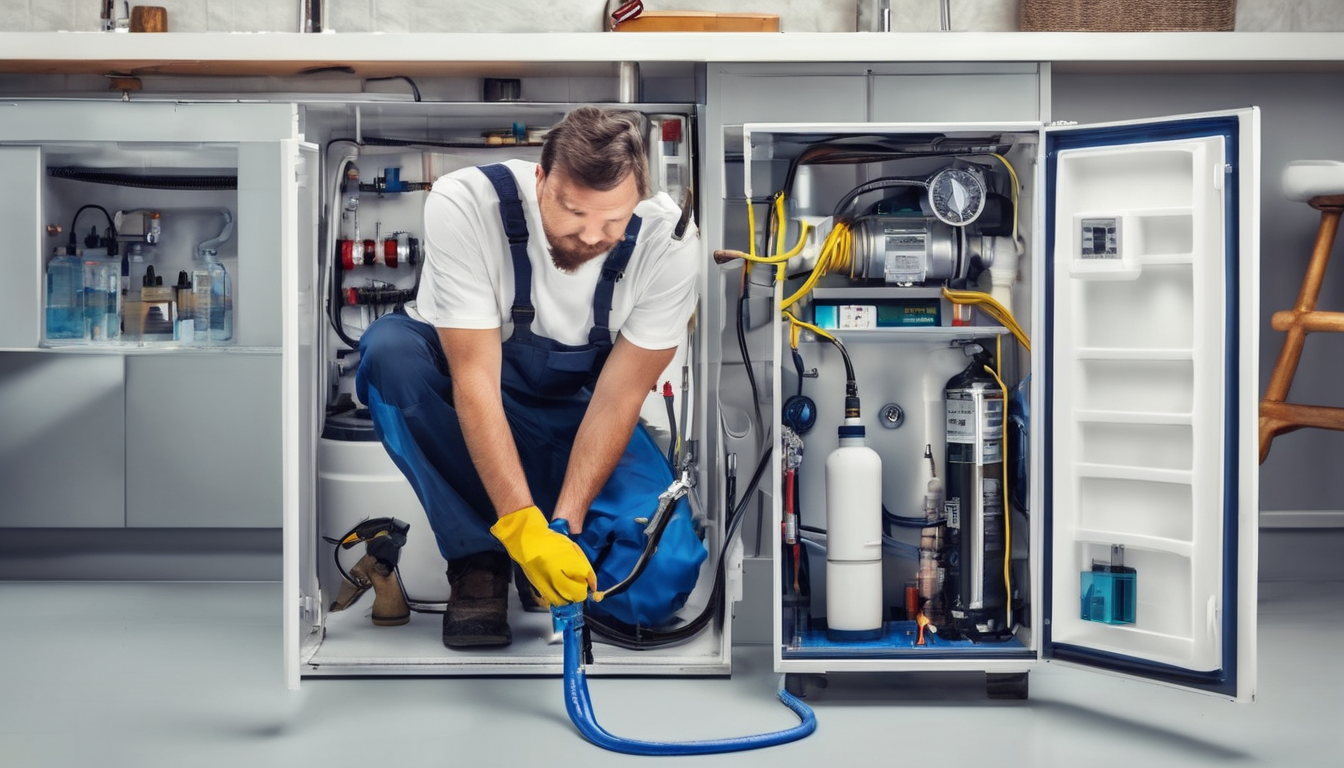
- PPE Gear: Gloves, mask, protective clothing, and goggles.
- Tools: Long-handled brushes, scrapers, pressure washers (if needed), and clean cloths.
The cleaning process involves several steps to ensure thoroughness. It is recommended to follow these procedures at least once a year or as per the Dubai Municipality guidelines for your specific water tank type:
- Drain the Tank: Completely drain the water and isolate the tank from the system.
- Inspect Visually: Check the inside of the tank for any visible signs of algae, biofilm, or sediment buildup.
- Scrub Surfaces: Use brushes to scrub all surfaces, paying special attention to corners and areas where contaminants may accumulate.
- Rinse Thoroughly: Rinse the tank with clean water to remove any remaining debris or cleaning agents.
Regular maintenance can significantly reduce the risk of microbial growth. Professional services can be engaged for more thorough and comprehensive cleaning, especially in larger tanks or those used in commercial settings like schools or hospitals. The importance of 1 Best Prevent Algae And Bacteria In Water Tanks is evident here.
Chemical Disinfection Methods
While physical cleaning is important, chemical disinfection plays a crucial role in preventing algae and bacteria growth. Here are the key methods:
- Chlorine Bleach: A common household disinfectant that can be used to sanitize water tanks. Typically applied as a 1% solution for about 24 hours.
- Potassium Permanganate (KMnO₄): An effective oxidizing agent that can kill bacteria and algae in water tanks. Applied at a concentration of 5-10 mg/L and left for several days before flushing with clean water.
- Ozone Treatment: A more advanced method involving the use of ozone to disinfect water tanks. Ozone is highly effective but requires specialized equipment and expertise.
These chemical treatments should only be applied by professionals who are familiar with the correct dosages and safety measures, as improper usage can pose health risks. Always follow manufacturer instructions or local guidelines from the Dubai Municipality when using these chemicals.
Natural Alternatives to Prevent Growth
While chemical treatments are effective, there are natural alternatives that can help prevent algae and bacteria growth:
- Probiotics: Introducing beneficial microorganisms into the tank can outcompete harmful ones. This is particularly useful in potable water systems.
- Vinegar Soak: A solution of white vinegar and water (1:1 ratio) can be used to clean and disinfect tanks without harsh chemicals. Soak for several hours before rinsing thoroughly.
- Baking Soda: Dissolving baking soda in the tank can help neutralize acids that may promote microbial growth, making it less hospitable for bacteria and algae.
Natural methods are gentler on the environment and may be preferable for those seeking eco-friendly solutions. However, they should not replace regular cleaning and chemical disinfection entirely to ensure maximum safety.
Maintenance Schedules and Inspection
To effectively prevent algae and bacteria growth, a well-planned maintenance schedule is essential:
- Inspections: Conduct routine visual inspections every 3-6 months to check for signs of contamination.
- Cleaning Schedule: Perform deep cleaning at least once a year or as per local regulations. For high-risk areas, consider quarterly cleanings.
- Disinfection: Apply chemical treatments every 6-12 months to maintain water quality and prevent microbial growth.
Maintaining detailed records of these activities will help ensure compliance with health regulations and provide a clear history of tank maintenance. Regular inspections by professionals can also identify potential issues before they become major problems. Understanding 1 Best Prevent Algae And Bacteria In Water Tanks helps with this aspect.
Preventing Contamination Before Cleaning
Before initiating any cleaning or disinfection process, it’s crucial to prevent contamination and ensure a clean environment:
- Isolation: Isolate the water tank from the rest of the plumbing system before starting any work. This prevents cross-contamination with other tanks.
- Coverage: Cover exposed areas to prevent dust and debris from entering the tank during cleaning activities.
- Filtration: Use temporary filters or strainers to catch large particles of sediment that may be stirred up during cleaning.
These measures ensure a controlled environment, making it easier to maintain hygiene standards throughout the cleaning process.
Post-Cleaning Measures
To ensure the water tank remains clean and free from contaminants after cleaning, follow these post-cleaning steps:
- Drainage: Ensure all chemicals are properly rinsed out of the tank before refilling it. This prevents any residual chemicals from affecting your drinking water.
- Filtration: Install a water filter or run the tank through several flushes with clean water to remove any remaining debris or cleaning agents.
- Tank Filling: Refill the tank with clean, potable water. Ensure all valves and connections are tightly sealed to prevent leaks or contamination.
Regular post-cleaning checks can help identify any issues early on, ensuring that your water storage system remains in optimal condition for long-term use.
Expert Tips for Effective Algae and Bacteria Prevention
- Regular Inspections: Schedule routine inspections every 3-6 months to detect any signs of contamination early on.
- Proper Ventilation: Ensure proper ventilation in the area surrounding your water tank, as this can help reduce moisture and limit algae growth.
- Use of UV Light: Consider installing ultraviolet (UV) light systems to kill bacteria and algae continuously. This is particularly effective for overhead tanks.
- Proper Tank Location: Position your water tank in a shaded area to reduce the amount of sunlight exposure, which can promote algae growth.
Implementing these expert tips will not only help prevent algae and bacteria but also ensure that your water storage system remains hygienic over time.
FAQ: Answers to Your Questions
- Q1: How often should I clean my water tank?
A1: For most residential tanks, a deep cleaning every 6-12 months is recommended. However, this can vary based on local regulations and the specific conditions of your tank. 1 Best Prevent Algae And Bacteria In Water Tanks factors into this consideration.
- Q2: Can DIY cleaning methods effectively prevent algae and bacteria?
A2: While DIY methods like vinegar or baking soda solutions can be effective in mild cases, they may not cover all areas thoroughly. Professional services are recommended for deeper cleanings to ensure complete removal of contaminants.
- Q3: Are there any risks associated with using chemicals to disinfect water tanks?
A3: Improper use or handling of chemicals can pose health risks, so it’s crucial to follow manufacturer instructions and wear protective gear. Consulting a professional for chemical treatments is advisable.
Conclusion
A1: For most residential tanks, a deep cleaning every 6-12 months is recommended. However, this can vary based on local regulations and the specific conditions of your tank. 1 Best Prevent Algae And Bacteria In Water Tanks factors into this consideration.
A2: While DIY methods like vinegar or baking soda solutions can be effective in mild cases, they may not cover all areas thoroughly. Professional services are recommended for deeper cleanings to ensure complete removal of contaminants.
A3: Improper use or handling of chemicals can pose health risks, so it’s crucial to follow manufacturer instructions and wear protective gear. Consulting a professional for chemical treatments is advisable.
By understanding the best methods to prevent algae and bacteria growth in water tanks, you can ensure that your family enjoys clean, safe drinking water every day. Regular cleaning, proper maintenance, and the use of appropriate chemicals or natural alternatives are key steps in maintaining a healthy water storage system. Understanding 1 Best Prevent Algae And Bacteria In Water Tanks is key to success in this area.