







Understanding Preventive Maintenance to Avoid Future Sediment Issues
Preventive maintenance is crucial for ensuring the longevity and cleanliness of your water storage systems. Sediment buildup can lead to a host of issues, from poor taste and odor to reduced water pressure and potential health hazards. Regular cleaning and inspection are key steps in maintaining optimal water quality. This relates directly to Preventive Maintenance To Avoid Future Sediment Issues.
The Importance of Regular Cleaning
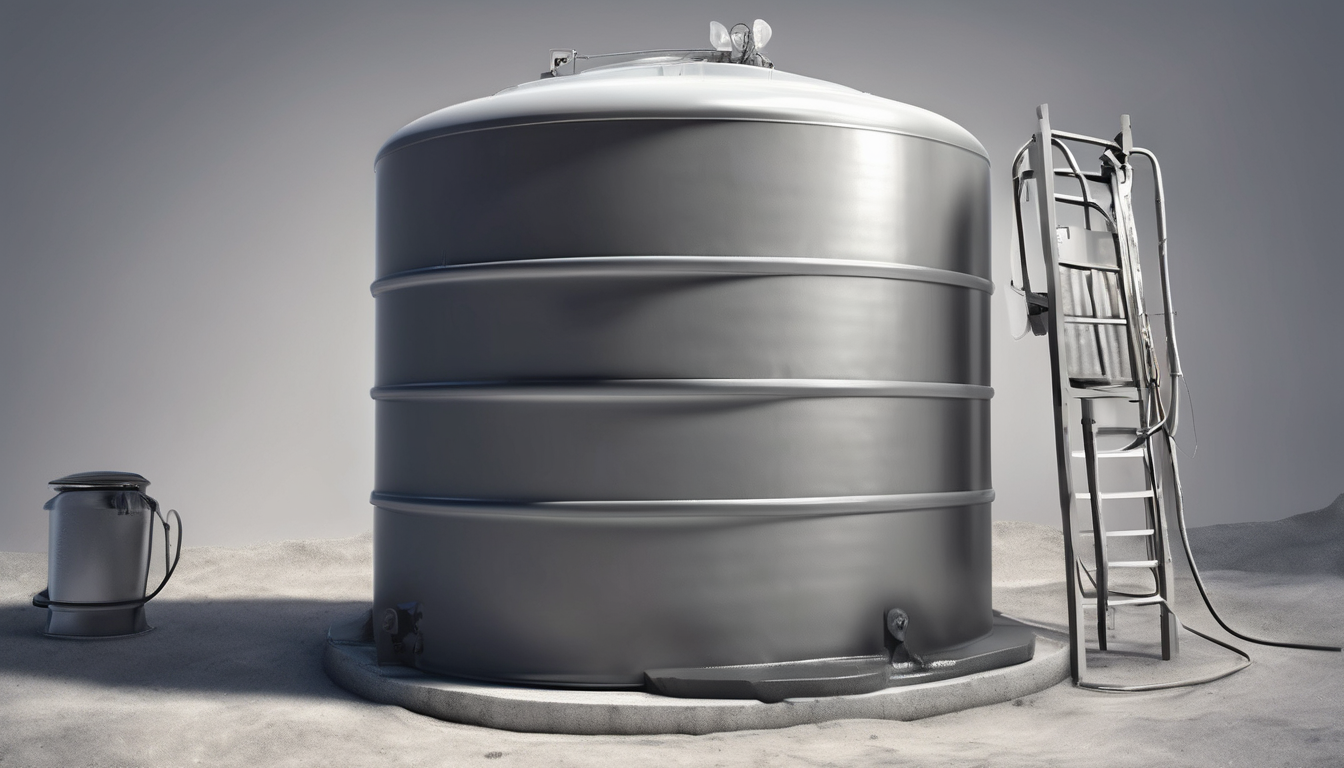
Over time, sediment such as sand, dirt, and rust can accumulate at the bottom of your overhead tanks. This buildup not only affects the taste and appearance of your water but also poses health risks if consumed. Regular cleaning ensures that these contaminants are removed before they cause significant problems.
Common Causes of Sediment Buildup in Water Tanks
The accumulation of sediment is a common issue, especially in overhead water tanks. Several factors contribute to this problem:
- Location and Climate: High temperatures and dusty conditions can accelerate the rate at which sediments accumulate.
- Tank Design: Tanks with inadequate drainage or poor design may experience more sediment buildup over time.
- Water Quality: Poor quality water, high in minerals and impurities, is more likely to contribute to sediment formation.
Signs of Sediment Buildup
Identifying the signs early can help you address the issue before it becomes a serious problem. Common indicators include:
- Turbid Water: Cloudy or discolored water is a clear sign of sediment buildup.
- Bad Taste and Odor: Persistent bad taste or odor in the water can be caused by accumulated contaminants.
- Reduced Flow Rate: Obstructions from sediment can lead to decreased water flow through taps and appliances.
Prevention Strategies for Overhead Tanks
To prevent sediment buildup, it’s essential to implement a proactive maintenance plan. Here are some effective strategies:
- Regular Cleaning: Schedule routine cleaning every 6-12 months or as recommended by your local health department.
- Proper Tank Design: Ensure that new tanks are designed with proper drainage systems to facilitate sediment removal.
- Filter Installation: Install water filters at the point of use to remove smaller particles and improve overall water quality.
Chemical and Mechanical Dissolving Methods to Remove Sediment
When sediment has already built up, it’s crucial to address the issue promptly. Two common methods for dissolving sediment are:
- Chemical Treatment: Use approved chemicals that dissolve sediment without causing harm to the tank or water quality.
- Mechanical Cleaning: Employ specialized equipment to physically remove accumulated sediment from the bottom of the tank.
Safe Chemicals for Dissolving Sludge in Overhead Tanks
When selecting chemicals, it’s important to ensure they are safe and approved by local authorities. Some commonly used options include: When considering Preventive Maintenance To Avoid Future Sediment Issues, this becomes clear.
- Bleach Solutions: Diluted bleach can be effective in breaking down organic matter and sediment.
- Sodium Hypochlorite: This chemical is often used for its disinfectant properties, which also help in dissolving accumulated sediment.
Manual Cleaning Tips and Tricks to Prevent Sediment Issues
In addition to using chemicals or mechanical methods, manual cleaning can be an effective way to prevent sediment buildup. Here are some tips:
- Use Soft Brushes: Avoid abrasive materials that could damage the tank’s interior.
- Thorough Rinsing: After cleaning, ensure all residue is thoroughly rinsed out to avoid reintroducing contaminants.
- Proper Equipment: Use appropriate personal protective equipment (PPE) to protect yourself during the cleaning process.
Regular Inspections and Maintenance Schedules for Water Storage Systems
To maintain water quality, regular inspections are essential. Here’s a maintenance schedule:
- Quarterly Inspections: Check the tank for signs of corrosion or damage.
- Semi-Annual Cleanings: Deep clean the tank to remove sediment and other contaminants.
- Annual Testing: Conduct water quality tests to ensure compliance with local regulations.
Expert Tips for Effective Preventive Maintenance
Here are some expert tips that can help you maintain clean and healthy water storage systems:
- Consult Professionals: Regularly consult with certified water tank cleaning experts to ensure your system is up to standard.
- Follow SOPs: Implement standardized operating procedures (SOPs) for routine maintenance tasks.
- Document Everything: Keep detailed records of all inspections, cleanings, and tests for future reference.
Frequently Asked Questions About Sediment Issues
Here are answers to some common questions about sediment issues:
- Q: How often should I clean my water storage tank?
- A: Aim for every 6-12 months or as recommended by your local health department.
- Q: Can sediment cause serious health issues?
- A: Yes, certain contaminants in sediment can pose health risks if consumed over a long period.
Conclusion: Ensuring Clean Water Through Prevention
By understanding the common causes of sediment buildup and implementing preventive maintenance strategies, you can ensure that your water storage systems remain clean and safe. Regular inspections, proper cleaning techniques, and following local guidelines are key to maintaining optimal water quality. Understanding Preventive Maintenance To Avoid Future Sediment Issues is key to success in this area.