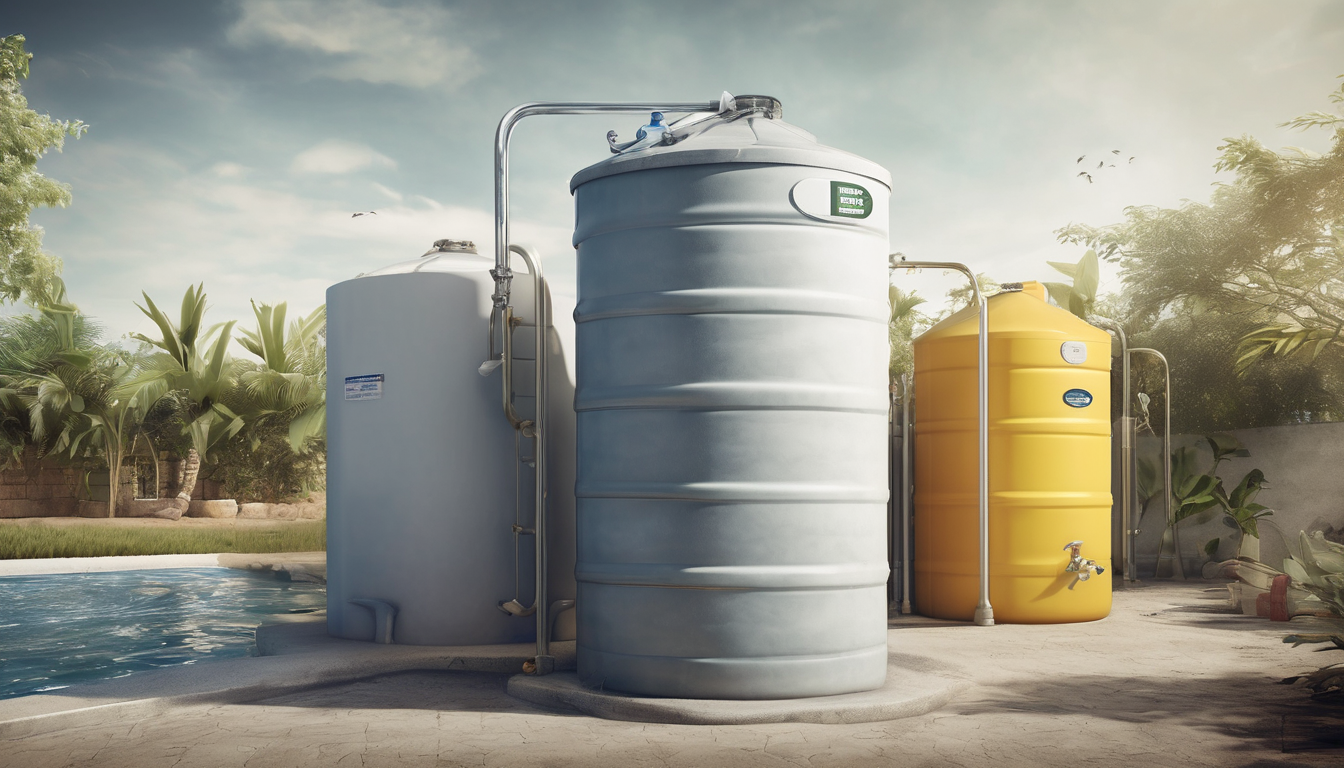








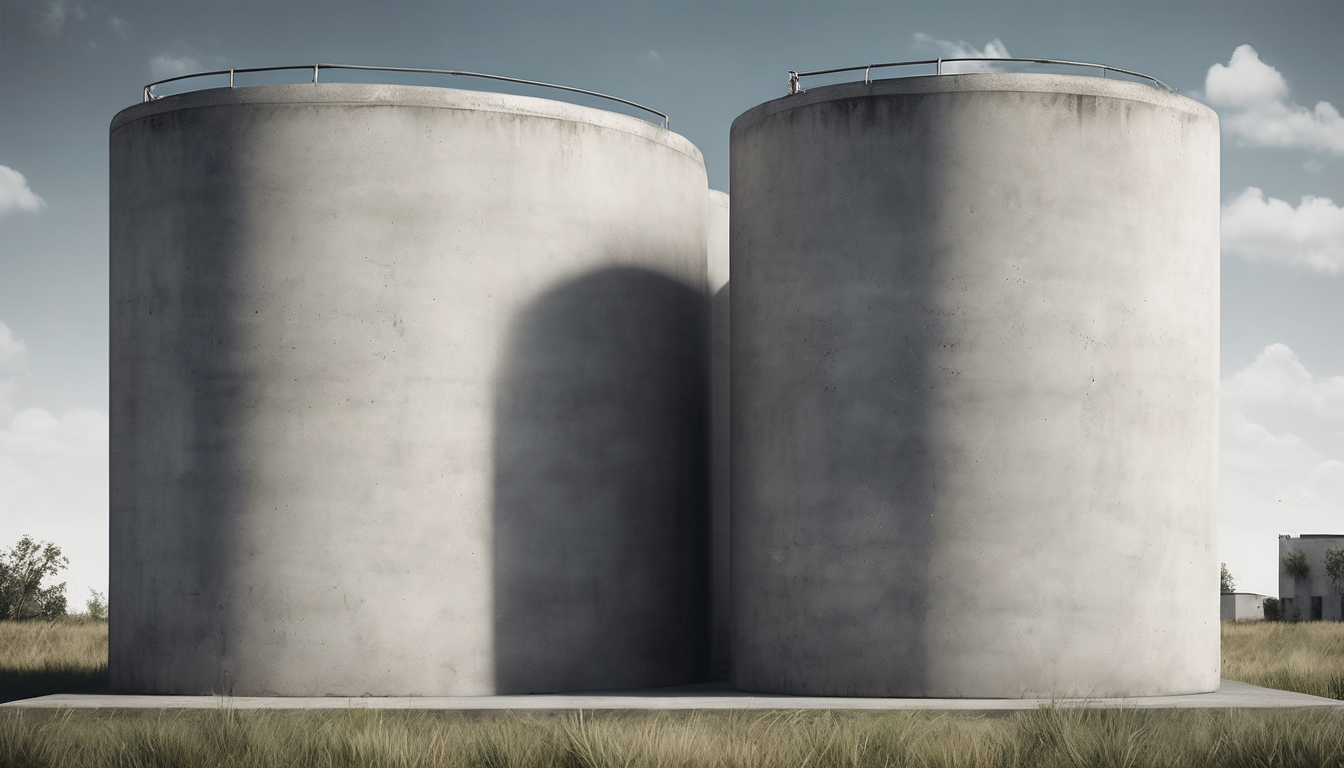

Understanding Concrete Water Tanks: Advantages And Disadvantages For Homes is essential. —
TITLE—
Concrete Water Tanks: Advantages and Disadvantages for Homes
META—
Understanding Concrete Water Tanks: Advantages and Disadvantages for Homes in Your Residential Setup
EXCERPT—
When considering water storage solutions, concrete water tanks are a popular choice among homeowners. However, they come with their own set of advantages and disadvantages that need careful consideration before installation. In this article, we will explore the benefits and drawbacks of using concrete water tanks in your home.
—
—
Understanding Concrete Water Tanks: Advantages and Disadvantages for Homes
Concrete water tanks are a robust choice for storing potable water, thanks to their durability and adaptability. They can be installed both underground and above ground, making them suitable for various residential setups. The primary advantages of concrete water tanks include their capacity to store large volumes of water, resistance to corrosion, and low maintenance requirements.
However, it’s crucial to weigh these benefits against the potential drawbacks. For instance, the installation process can be complex and costly. Additionally, issues like termite infestation and temperature fluctuations can affect the integrity of the tank over time. By understanding both sides, homeowners can make informed decisions about whether concrete water tanks are right for their homes.
—
Concrete Water Tanks: Advantages And Disadvantages For Homes – Environmental Considerations of Concrete Tanks
Concrete water tanks offer several environmental benefits that make them a preferred choice in many areas. Firstly, they have a longer lifespan compared to other materials like plastic or metal, reducing the need for frequent replacements and lowering waste. Moreover, concrete is a naturally occurring material with minimal processing required, making it more eco-friendly.
However, there are also some environmental concerns associated with concrete water tanks. The production process involves high energy consumption and can release carbon dioxide into the atmosphere. Additionally, the disposal of old concrete tanks at the end of their life cycle can pose challenges due to their weight and volume. Therefore, when considering an installation, it’s essential to evaluate these factors alongside the benefits.
—
Concrete Water Tanks: Advantages And Disadvantages For Homes – Cost Analysis for Concrete Water Storage Solutions
When evaluating concrete water tanks as a storage solution, cost is often a significant factor in homeowners’ decision-making process. Initial installation costs can be relatively high due to labor requirements and material expenses. However, the long-term savings on maintenance are substantial since concrete tanks require minimal upkeep.
On the other hand, the cost-effectiveness of these tanks varies depending on several factors such as tank size, location, and local regulations. For instance, in areas with frequent water shortages or droughts, a larger concrete tank can provide significant value by reducing dependence on external water sources. Homeowners should conduct thorough research to determine if the initial investment is justified based on their specific needs.
—
Maintenance and Life Span of Concrete Tanks
Proper maintenance of concrete water tanks ensures they remain functional for many years. Regular cleaning, inspection, and disinfection are crucial to prevent sediment buildup and keep the stored water hygienic. However, despite their durability, concrete tanks can be susceptible to damage from termite infestations or temperature fluctuations.
Termite control measures should be implemented regularly to avoid potential structural issues. Additionally, in regions with extreme temperatures, proper insulation is necessary to maintain consistent water temperatures, preventing condensation and reducing the risk of rust formation. With diligent care, concrete water tanks can offer a reliable storage solution for up to 30 years or more.
—
Installation Requirements and Compliance
Installing a concrete water tank requires adherence to local regulations and guidelines set by authorities such as Dubai Municipality. Homeowners must ensure that the installation process complies with all relevant codes, including structural integrity, safety standards, and environmental impact assessments.
The complexity of these requirements can add significant time and cost to the project. Professional contractors who specialize in water tank installations are recommended to guarantee compliance and minimize potential legal issues. Consulting with local authorities and obtaining necessary permits is essential before starting any installation work.
—
Disadvantages of Using Concrete Water Tanks for Homes
While concrete water tanks offer numerous benefits, they also come with some notable disadvantages that homeowners should consider. One significant challenge is the potential for termite infestations. Termites can cause extensive damage to the tank’s structure over time, leading to leaks and compromised water quality.
Another drawback is the higher initial installation cost compared to other materials like GRP or plastic tanks. This increased expense can be a deterrent for some homeowners who may prefer more affordable solutions. Additionally, concrete tanks require specialized cleaning techniques and chemicals that adhere to Dubai Municipality’s approved standards, adding another layer of complexity to maintenance routines. This relates directly to Concrete Water Tanks: Advantages And Disadvantages For Homes.
—
Expert Tips for Deciding on the Right Water Tank
To help homeowners navigate the decision-making process, here are some expert tips:
1. Assess Your Specific Needs: Determine your water storage requirements based on family size and daily usage patterns.
2. Consider Local Regulations: Familiarize yourself with local guidelines to ensure compliance during installation and maintenance.
3. Evaluate Cost-Benefit: Weigh the initial cost against long-term savings from low maintenance and extended lifespan.
4. Choose a Reputable Contractor: Hire professionals experienced in concrete water tank installations to avoid common pitfalls.
By considering these factors, you can make an informed decision that best suits your home’s needs.
—
Frequently Asked Questions (FAQs)
1. Q: Are concrete water tanks suitable for all types of homes?
A: Concrete water tanks are versatile and can be installed in both villas and apartments, but suitability depends on local regulations and space constraints.
2. Q: How often should a concrete water tank be cleaned?
A: Regular cleaning is recommended every 1-3 years to maintain hygiene standards and prevent sediment buildup.
3. Q: Can I use any type of chemical for disinfecting my concrete water tank?
A: No, only Dubai Municipality-approved chemicals should be used to ensure safe and effective disinfection practices.
—
Conclusion
Choosing the right water storage solution is a critical decision that affects both your home’s functionality and environmental impact. While concrete water tanks offer significant advantages such as durability and low maintenance, they also present challenges like installation complexity and potential termite infestations. By carefully weighing these factors and consulting with professionals, you can ensure that your water tank setup meets your needs while remaining compliant with local regulations.
—
TAGS—
Concrete Water Tanks, Advantages of Concrete Water Tanks, Disadvantages of Concrete Water Tanks, Home Water Storage Solutions Understanding Concrete Water Tanks: Advantages And Disadvantages For Homes is key to success in this area.