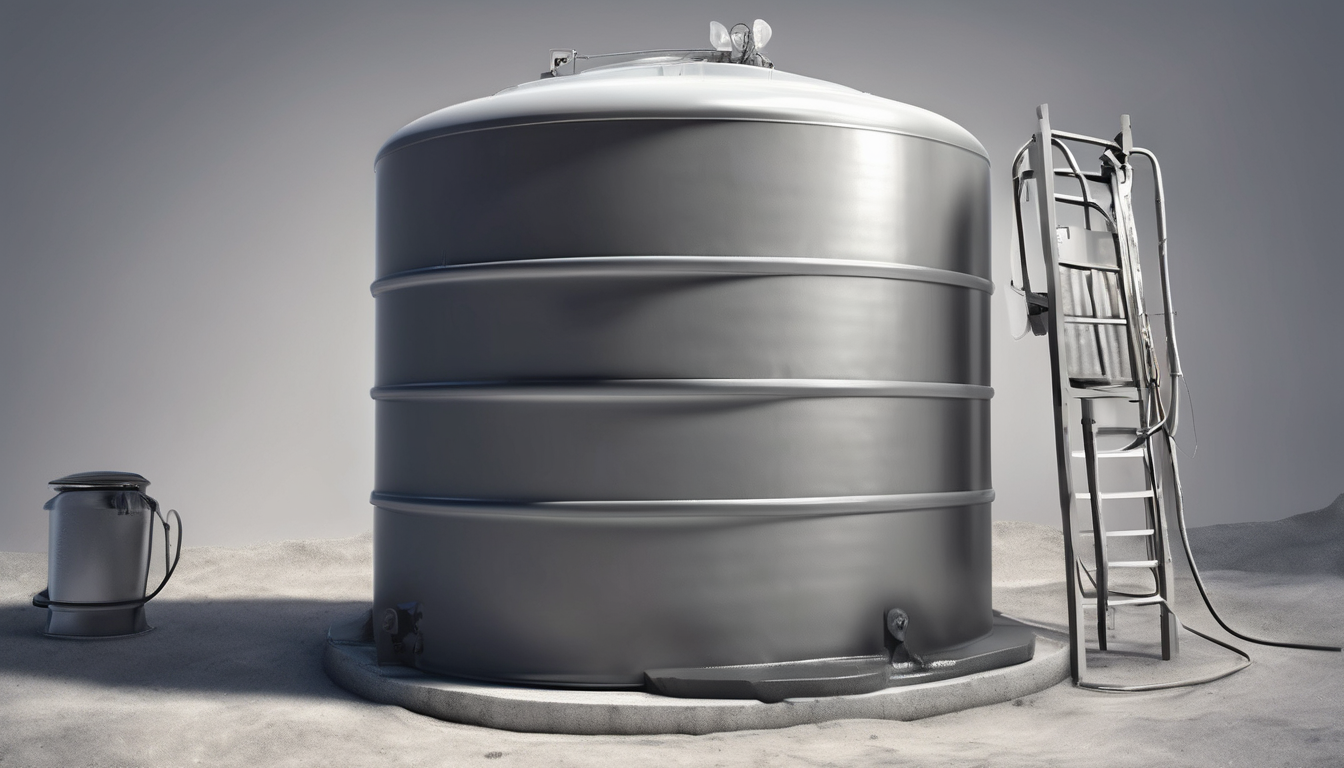


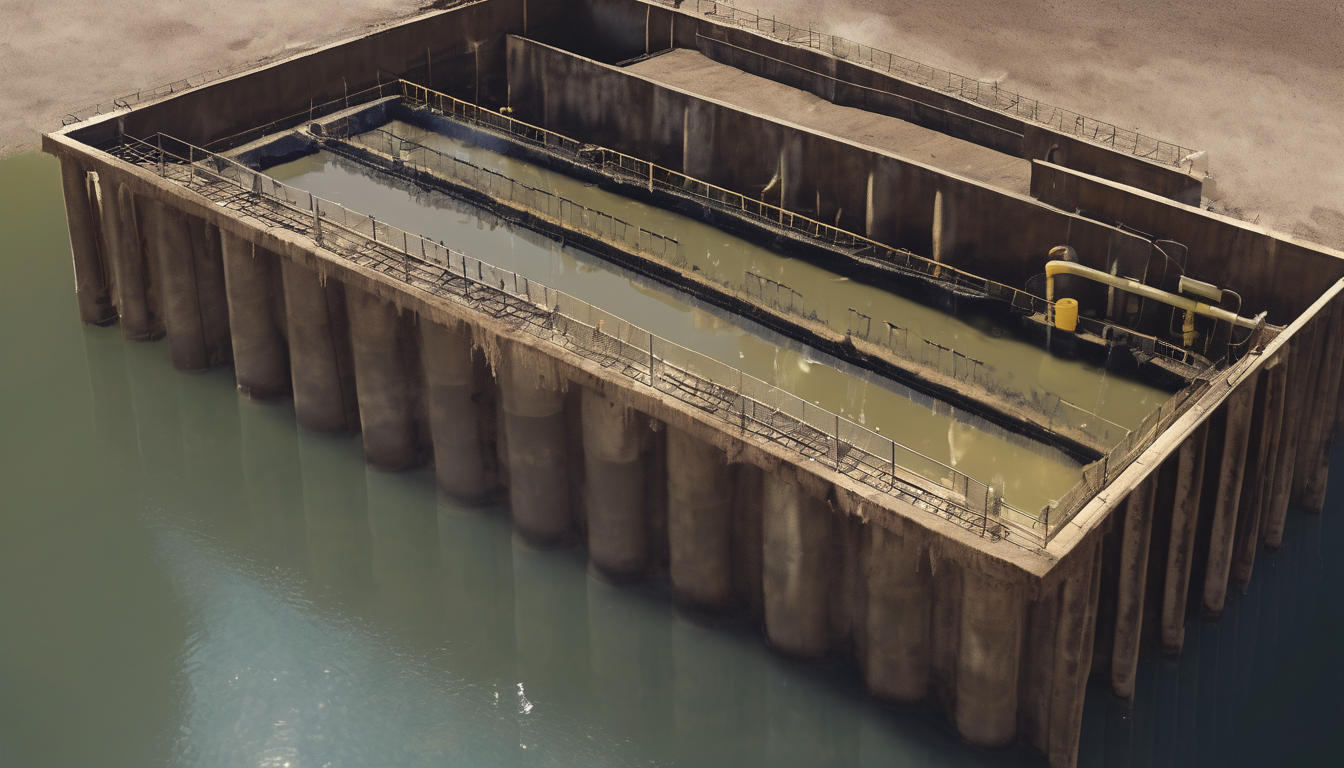

Regular maintenance is crucial for ensuring that your overhead water tank remains clean and free from harmful sediments. In this comprehensive guide, we’ll walk you through the steps of effectively dissolving sediment and sludge in your overhead water tank, providing practical tips to keep your water supply hygienic.
Understanding How do I dissolve sediment/sludge in an overhead water tank?
Overhead water tanks are essential for storing and distributing potable water within a building. However, these tanks can accumulate sediments such as rust, dirt, and algae over time. These materials not only reduce the efficiency of your water storage system but also pose potential health risks if ingested.
Why is Dissolving Sediment Important?
Dissolving sediment in an overhead water tank is crucial for maintaining the quality and safety of drinking water. Accumulated sediments can lead to:
- Reduced water pressure
- Discolored or foul-smelling water
- Potential health hazards from bacterial growth
- Decreased lifespan of plumbing fixtures and appliances
Preparing for the Cleaning Process
Before you begin, ensure that your tank is isolated to prevent cross-contamination. Additionally, gather all necessary equipment such as:
- Rubber gloves and protective clothing
- Pump or vacuum cleaner with a hose attachment
- Tubing for connecting the pump to the tank
- Disinfectant solution (DM-approved)
- Funnel for safe chemical handling
Draining the Tank
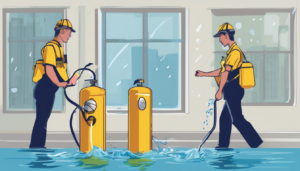
The first step in dissolving sediment is to drain the water from the tank. Open the drain valve at the bottom of the tank and allow the water to flow out completely. Use a pump or vacuum cleaner with a hose attachment connected via tubing to help remove any remaining standing water.
Cleaning the Interior Surface
Once the water is drained, use a soft-bristled brush and cleaning solution to scrub the interior walls of the tank. Pay special attention to areas where sediment has accumulated. Rinse thoroughly with clean water before moving on to the next steps.
Applying Disinfectant Solution
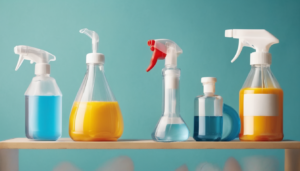
After cleaning, apply a DM-approved disinfectant solution evenly throughout the tank. Follow the manufacturer’s instructions for dilution and dwell time. Allow the solution to sit for the recommended period before rinsing.
Rinsing the Tank
Rinse the entire tank thoroughly with clean water using a pump or vacuum cleaner. Ensure that all residual disinfectant is removed to avoid any chemical residue in your drinking water.
Refilling and Testing the System
Once the tank is completely dry, refill it with fresh, clean water from a reliable source. Perform a visual inspection of the system for any leaks or damages before putting the tank back into service. Test the water quality to ensure that it meets potable standards.
Post-Cleaning Maintenance Tips
To maintain the cleanliness and longevity of your overhead water tank, follow these tips:
- Regularly inspect the tank for signs of wear or damage
- Clean the inlet and outlet valves to prevent debris buildup
- Check for any changes in water pressure or quality
- Perform routine maintenance every 6-12 months, depending on local conditions
Common Mistakes to Avoid
Avoid these common pitfalls during the cleaning process:
- Failing to isolate the tank properly before starting
- Using harsh chemicals that can damage the tank or water quality
- Overlooking the importance of thorough rinsing
- Ignoring post-cleaning maintenance steps
Expert Tips for Dissolving Sediment
- Choose the Right Cleaning Chemicals: Use DM-approved disinfectants that are safe and effective.
- Regular Maintenance: Schedule regular cleanings to prevent sediment buildup from becoming severe.
- Professional Help: Consider hiring a certified water tank cleaning expert for complex or large-scale tanks.
- Check Regulations: Ensure compliance with local health and safety regulations when performing maintenance tasks.
FAQ Section
- Q: How often should I clean my overhead water tank?
- A: It is recommended to perform a thorough cleaning every 6-12 months, depending on usage and local conditions.
- Q: Can I use household bleach for cleaning the water tank?
- A: While household bleach can be used as a disinfectant, it may not be suitable for all types of tanks. Always refer to DM guidelines before using any chemical.
- Q: What if my overhead water tank has a significant amount of sludge buildup?
- A: For severe cases, consider professional cleaning services that can use specialized equipment and techniques to remove the sediment effectively.
Conclusion
Regularly dissolving sediment in your an overhead water tank is a crucial step in maintaining clean and safe drinking water for your family. By following this comprehensive guide, you can ensure that your water storage system remains hygienic and efficient. Remember to schedule routine maintenance and consult with experts when needed to keep your water supply free from harmful contaminants.