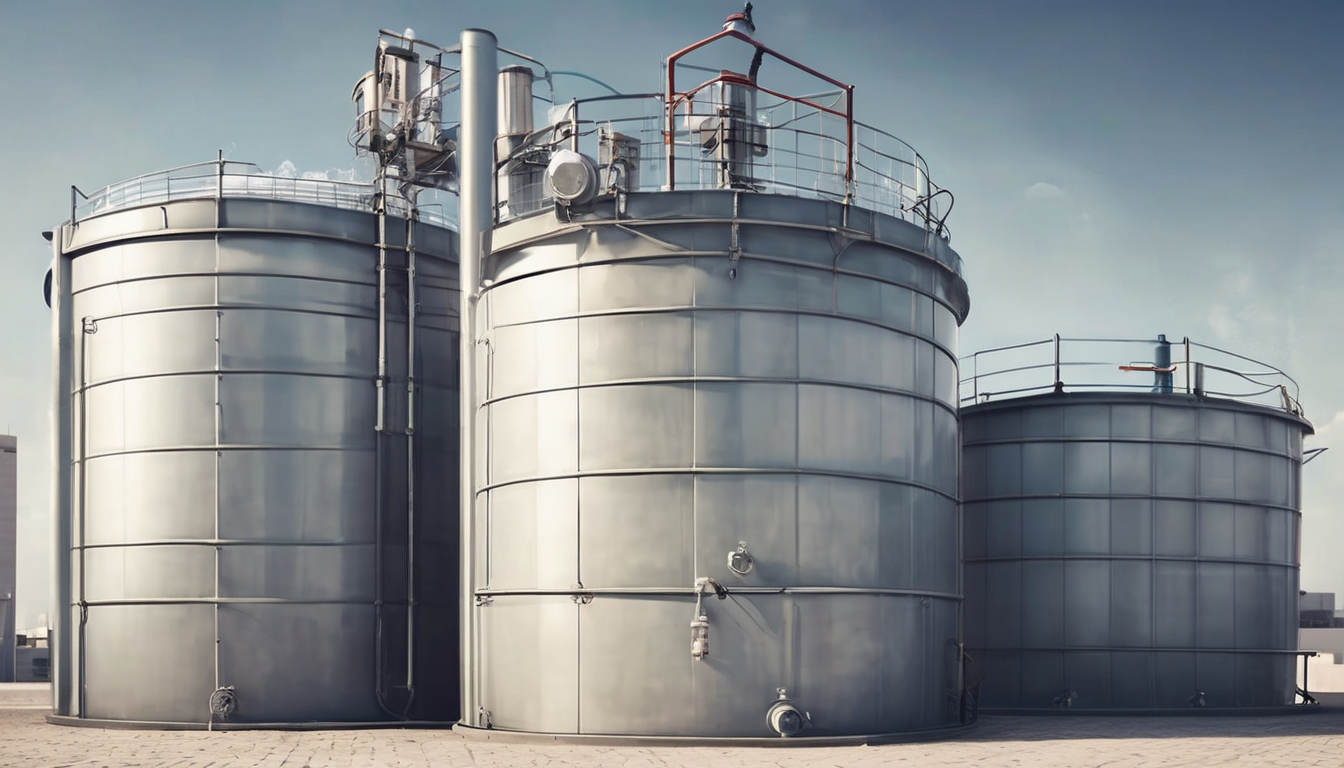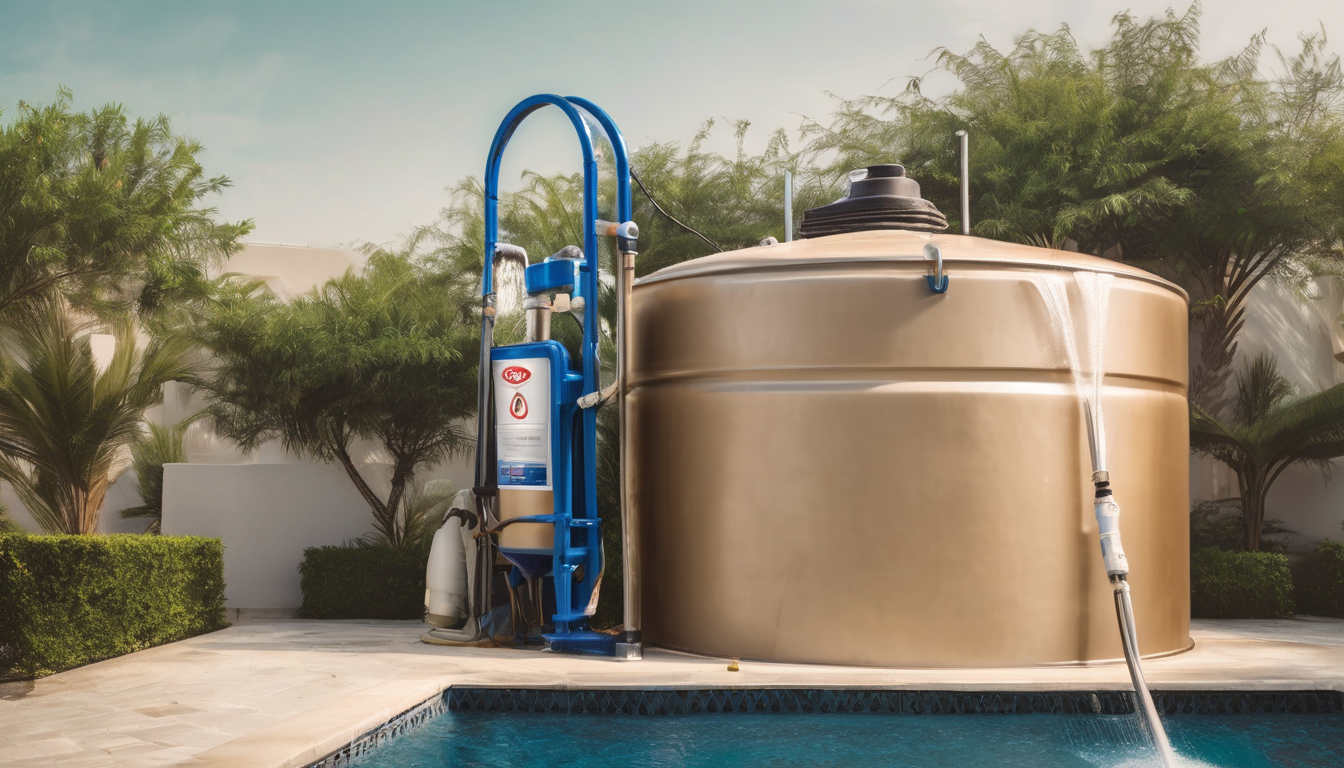



Understanding What contaminants can Accumulate In A Home Water Storage is essential.
Table of Contents
Introduction to Contaminants in A Home Water Storage
Water tanks in homes can accumulate a variety of contaminants, posing risks to family health and water quality. Regular cleaning is essential to prevent these issues and maintain safe drinking water.
What Contaminants Can Accumulate In A Home Water Storage – Biological Contaminants: Bacteria, Fungi, and Algae
Biological contaminants are the most common type found in home water tanks. They include bacteria such as Legionella pneumophila, which can cause Legionnaires’ disease; fungi like Candida albicans; and algae that thrive in warm, moist conditions.
- Bacteria: Can grow in stagnant water, leading to unpleasant tastes, odors, and health risks.
- Fungi: Commonly found in tanks with poor ventilation or low temperatures; can produce allergens and mycotoxins.
- Algae: Thrives in warm water tanks; can increase turbidity and affect the taste of your water.
What Contaminants Can Accumulate In A Home Water Storage – Chemical Contaminants: Heavy Metals and Disinfectant Residue
Chemical contaminants such as heavy metals (lead, copper) and disinfectant residues can accumulate in home water tanks. These substances can leach into the water from tank materials or plumbing fixtures over time.
- Heavy Metals: Can enter through corroded pipes or improperly treated water; pose long-term health risks.
- Disinfectant Residues: Chlorine and other disinfectants can react with organic matter, forming harmful byproducts like trihalomethanes (THMs).
What Contaminants Can Accumulate In A Home Water Storage – Physical Contaminants: Sediment, Particles, and Rust
Physical contaminants such as sediment, particles, and rust are easily visible in water tanks. They can affect the taste, appearance, and flow of water.
- Sediment: Accumulates from sand, silt, and other particulate matter; can clog filters and faucets.
- Rust: Forms when iron pipes corrode; can tint the water yellow or brown and lead to mineral deposits in plumbing.
Organic Matter: Leaves, Insects, and Other Debris
Leaves, insects, and other organic matter can fall into water tanks, leading to contamination. These materials provide a breeding ground for bacteria and fungi, affecting the overall quality of your drinking water.
- Leaves: Can introduce nutrients that promote bacterial growth; block tank openings and filters.
- Insects: Attract more pests and can contaminate the water with their waste or decomposing bodies.
Sources of Contamination in Home Water Storage Systems
Several factors contribute to contamination in home water storage tanks. Understanding these sources helps identify areas for improvement:
- Stagnant Water: Tanks that are not frequently drained or flushed can harbor microorganisms.
- Poor Ventilation: Lack of proper ventilation allows moisture to build up, creating an ideal environment for bacteria and fungi.
- Metal Corrosion: Rusty pipes and corroded metal components release harmful substances into the water.
Preventing Contamination with Regular Cleaning
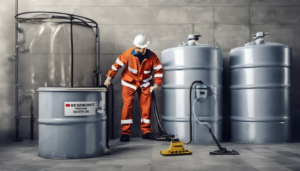
To prevent contamination, regular cleaning is essential. Here’s how to ensure your home water storage system stays clean:
- Drain the Tank: Empty the tank before starting the cleaning process to remove loose sediments and debris.
- Clean Internally: Use a combination of manual scrubbing and mechanical tools to remove biofilm, algae, and other contaminants.
- Disinfect: Apply approved disinfectants to kill any remaining microorganisms; follow the manufacturer’s instructions carefully.
- Rinse Thoroughly: Ensure all chemicals are fully rinsed out before refilling the tank with clean water.
Expert Tips for Safe and Effective Cleaning
To ensure your home’s water storage system remains safe, follow these expert tips:
- Use Approved Chemicals: Always use chemicals approved by the Dubai Municipality to avoid damaging the tank or harming health.
- Frequent Inspections: Schedule regular inspections of your water storage system, especially after repairs or renovations.
- Protective Gear: Wear gloves and masks during cleaning to prevent inhalation of harmful substances.
- Certified Technicians: Hire professionals with experience in residential water tank cleaning for thorough and reliable service.
Frequently Asked Questions (FAQs)
Still have questions? Here are some common queries answered:
- Q: How often should I clean my home water tank?
- A: For optimal safety, cleaning every six to twelve months is recommended. However, this can vary based on usage and local conditions.
- Q: Can contaminated water lead to health issues?
- A: Yes, certain contaminants can cause gastrointestinal illnesses, skin irritation, and other health problems. Regular cleaning prevents these risks.
- Q: Is it safe to drink water from a dirty tank?
- A: Drinking contaminated water poses significant health risks. Always ensure your home’s water storage system is clean and disinfected regularly.
Conclusion
Understanding the contaminants that can accumulate in home water storage systems is crucial for maintaining safe drinking water. Regular cleaning, using approved chemicals, and following expert tips ensure your family’s health and peace of mind.
Table of Contents