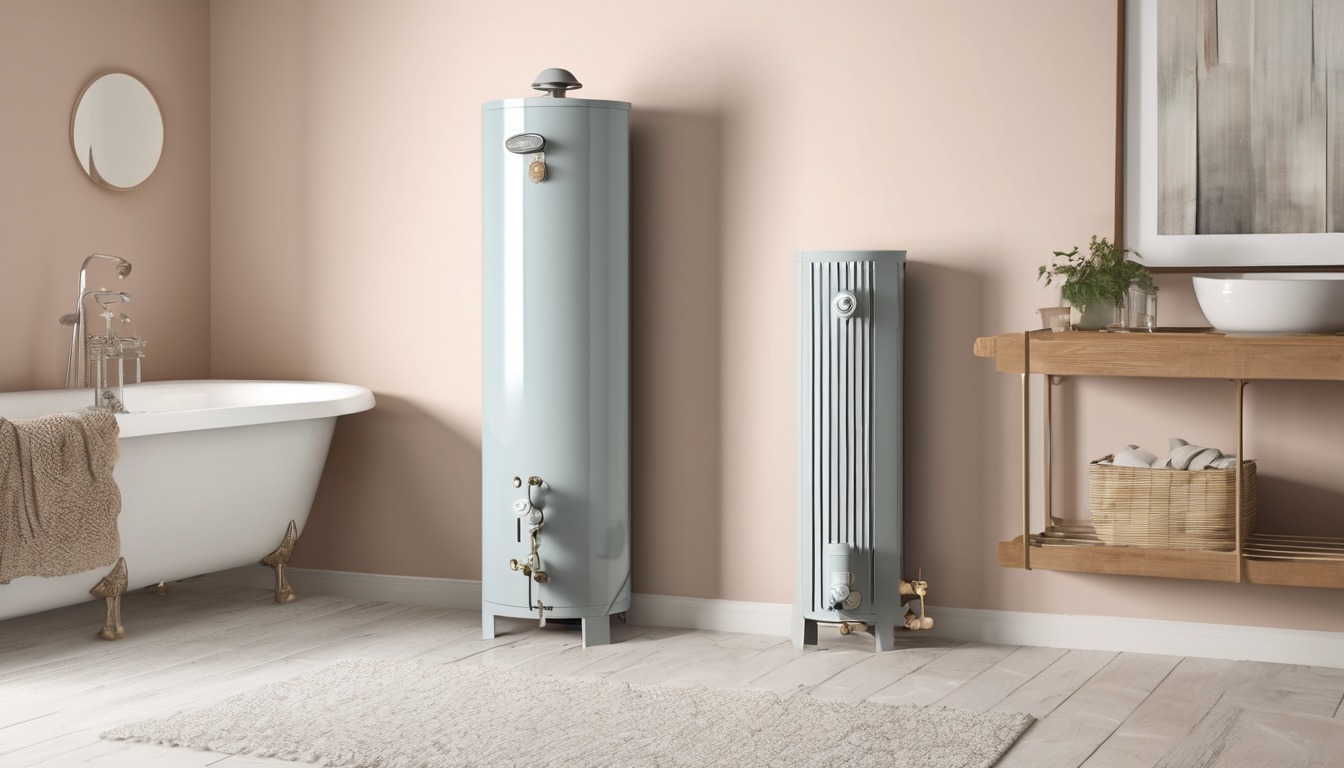








Understanding Preventing Future Sediment Buildup: Best Practices After is essential.
Table of Contents
Understanding Preventing Future Sediment Buildup: Best Practices After
Water tank sediment buildup is a common issue that can compromise the quality and safety of your drinking water. When you’ve removed an anode rod, it’s crucial to take steps to ensure that future sediment does not accumulate in your system. This article will guide you through understanding the causes, best practices for removal, and maintenance strategies.
Common Causes of Sediment Buildup in Water Tanks
Sediment can be a mix of minerals, rust, scale, and other particulates that accumulate over time. The primary causes include:
- Water quality – High levels of impurities in the water supply.
- Metal corrosion – Anode rods release metal ions which can react with water and cause buildup.
- Tank design flaws – Poorly designed tanks may allow for stagnant water pockets.
- Insufficient maintenance – Regular cleaning is essential to prevent sediment accumulation.
Best Practices for Removing Sediment After Anode Rod Replacement
After replacing the anode rod, it’s crucial to thoroughly clean your water tank. Here are some best practices:
- Drain and Isolate the Tank: Ensure the system is fully drained before starting.
- Mechanical Cleaning: Use brushes or vacuum attachments to remove loose sediment from walls and surfaces.
- Chemical Disinfection: Apply a suitable disinfectant as recommended by local health authorities, such as chlorine or bromine solutions.
- Rinsing: Thoroughly rinse the tank with clean water before refilling to remove any chemical residues.
Deep Cleaning Tips for Water Tank Maintenance
To maintain a sediment-free environment, consider these deep cleaning techniques:
- Bi-Annual Inspections: Conduct regular inspections to identify and address issues early.
- Use pH Neutral Cleaners: These are gentler on the tank materials while effectively removing sediment.
- Increase Ventilation: Proper air circulation can help reduce moisture and prevent buildup of harmful microorganisms.
Ensuring Complete Sediment Removal During Disinfection
The disinfection process is crucial in preventing future sediment issues. Follow these steps:
- Proper Chemical Application: Use DM-approved chemicals at the recommended concentrations.
- Contact Time: Ensure the disinfectant has sufficient dwell time to work effectively.
- Thorough Mixing: Stir the water gently but thoroughly during and after application.
Post-Cleaning Inspection and Replacement of Anode Rod
After cleaning, conduct a thorough inspection to ensure all sediment has been removed:
- Visual Check: Inspect the tank walls for any visible signs of contamination.
- Test Water Quality: Conduct water quality tests before refilling and using the system.
- Anode Rod Replacement: If the anode rod is nearing its end, replace it to prevent future corrosion issues.
Expert Tips for Preventing Future Sediment Buildup
To keep your water tank clean and free from sediment:
- Regular Maintenance Schedules: Stick to a routine maintenance plan every six months.
- Use Filtration Systems: Install filters that can catch smaller particles before they reach the tank.
- Potable Water Quality: Ensure your water source is of high quality and free from contaminants.
FAQ Section: Preventing Future Sediment Buildup
Here are some frequently asked questions related to sediment buildup in water tanks:
- Q1: How often should I clean my water tank?
A1: We recommend bi-annual inspections and cleaning for optimal hygiene. - Q2: Can I use household bleach as a disinfectant?
A2: While bleach can be used, it is important to follow the recommended dilution ratios and contact times. - Q3: What are the signs of sediment buildup in my water tank?
A3: Signs include cloudy or discolored water, off-taste, and odor issues.
Conclusion
Preventing future sediment buildup best practices after is essential for maintaining clean and safe drinking water. By following the best practices outlined in this guide, you can ensure your water storage system remains hygienic and free from contaminants. Regular maintenance, careful cleaning procedures, and a proactive approach to tank management are key.