




Understanding Chlorination Techniques for Ensuring Clean Drinking Water
Understanding Chlorination Techniques For Ensuring Clean Drinking Water is essential. Chlorination is a widely used method to disinfect water by adding chlorine or its compounds. It effectively eliminates bacteria, viruses, and other microorganisms that can cause illnesses. Proper chlorination techniques ensure the water is safe for consumption, preventing waterborne diseases and maintaining overall health.
What Is Chlorine?
Chlorine is a powerful disinfectant known for its ability to kill harmful microorganisms in water. It can be used as free chlorine (calcium hypochlorite, sodium hypochlorite) or combined with other substances to form chloramines and dichloroisocyanuric acid. This relates directly to Chlorination Techniques For Ensuring Clean Drinking Water.
Chlorination Techniques For Ensuring Clean Drinking Water – Advantages of Chlorination
Chlorination offers several advantages in maintaining clean drinking water:
- Efficacy: Effective against a wide range of microorganisms, including Giardia and Cryptosporidium.
- Safety: Reduces the risk of waterborne illnesses such as cholera, typhoid, and dysentery.
- Cost-Effectiveness: Relatively inexpensive compared to other disinfection methods.
- Persistence: Chlorine residuals can remain in the water supply for extended periods.
Types of Chlorination Techniques
Several chlorination techniques are used depending on the application and desired results. Here, we explore three essential methods:
Pre-Oxidation
H2O Pre-Oxidation: This technique involves adding chlorine to water before it enters the distribution system or storage tanks. It is particularly useful in areas with high levels of organic matter, such as surface water sources.
Point-of-Use Chlorination
POU Chlorination: Commonly used for individual homes or small communities. This method involves adding chlorine directly to the drinking water at the point of use, often in storage tanks or at faucets.
Point-of-Entry Chlorination
POE Chlorination: Applied before water enters the home through the main supply line. This method ensures all water entering the house is treated, including that used for drinking and cooking. When considering Chlorination Techniques For Ensuring Clean Drinking Water, this becomes clear.
Chlorine Dosage and Scheduling
Proper dosing and scheduling are critical to effective chlorination:
- Dosage Calculation: Use the formula: Total Chlorine Demand (TCD) = Volume of Water x ppm required. Adjust based on water quality and storage duration.
- Scheduling: Regular dosing is recommended, especially in hot climates or during peak usage periods to maintain residual levels.
- Residual Levels: Maintain a minimum of 0.2 ppm free chlorine for potable water systems and higher levels if necessary for specific applications.
Challenges and Solutions in Chlorination
While effective, chlorination can present challenges:
- Odor Issues: Use low-dose techniques or activated carbon filters to mitigate unpleasant smells.
- Taste Alterations: Add small amounts of sodium thiosulfate after chlorination to remove excess chlorine taste and odor.
- Eutrophication Prevention: Avoid over-chlorination, which can lead to the breakdown of organic matter, causing eutrophication in water bodies.
Chlorination Techniques for Ensuring Clean Drinking Water on Boats and Marine Environments
For those who spend time on boats or marine environments, chlorination is crucial to maintaining clean drinking water. Here are some specific techniques:
Water Maker Chlorination
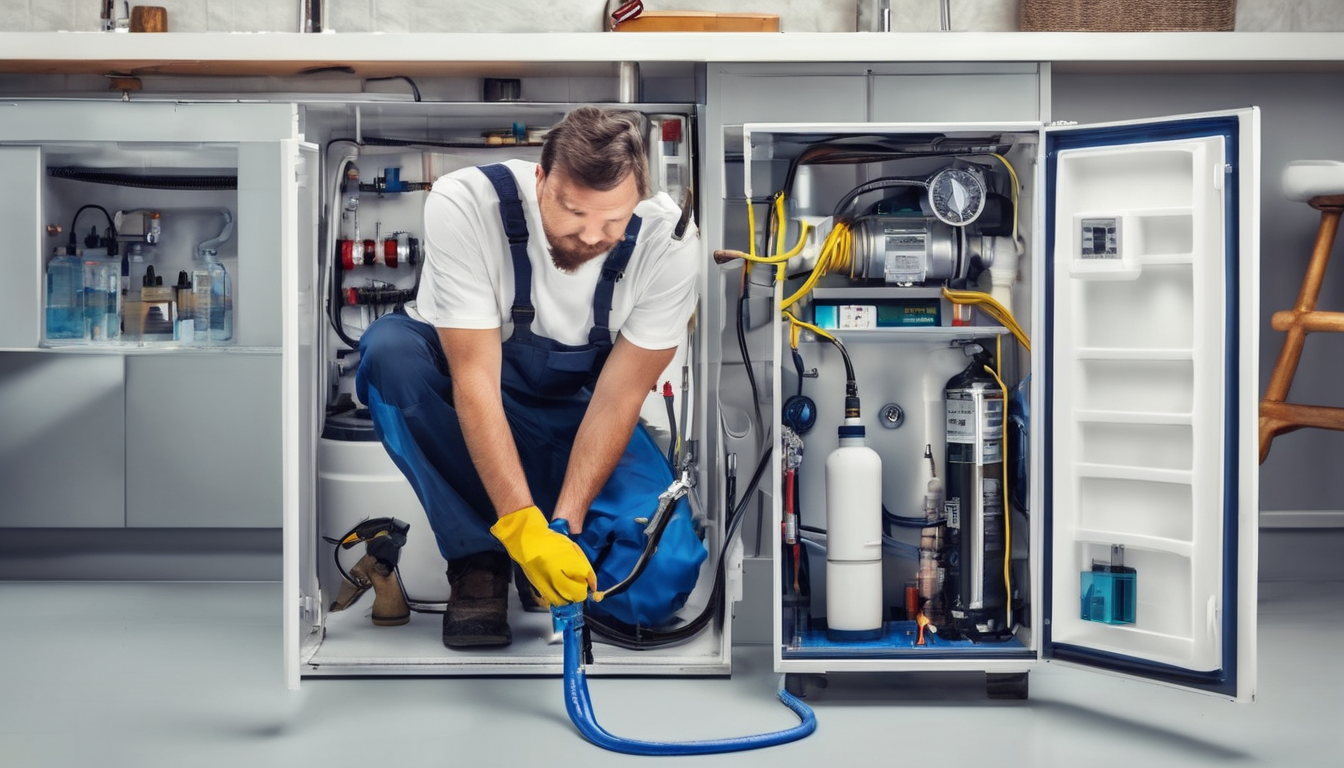
- Boat Water Maker Systems: Regularly chlorinate the water maker system to prevent biofilm formation and bacterial growth. Use a chlorine solution and follow manufacturer guidelines.
- Storage Tanks: Treat storage tanks with low-dose chlorination to ensure the entire supply is clean, especially during long trips or periods of inactivity.
Best Practices for Chlorination
To maximize effectiveness and safety:
- Follow Manufacturer Guidelines: Use recommended dosages and treatment schedules from water system manufacturers.
- Regular Monitoring: Test the water regularly to ensure proper chlorine levels. Use test strips or a digital tester for accurate results.
- Personal Protective Equipment (PPE): Wear gloves, masks, and protective clothing when handling chlorine compounds to avoid exposure.
Expert Tips for Chlorination
- Pre-Test Water Quality: Before chlorinating, test the water quality to determine if it needs additional treatment.
- Use pH Adjusters: If water is too acidic or basic, use pH adjusters before adding chlorine to ensure proper reaction and effectiveness.
- Check for Contaminants: Regularly check for contaminants such as heavy metals, which can affect chlorine’s performance. Use appropriate filtration systems if necessary.
- Document Procedures: Keep detailed records of chlorination procedures, dosages, and test results to maintain compliance and transparency.
- Consult Professionals: For complex water systems or high-risk environments, consult with professional water treatment experts for customized solutions.
FAQ About Chlorination Techniques
- Q: Is it safe to drink water from a charter boat’s water maker in the BVI?
A: Yes, but ensure regular chlorination and maintenance of the system. Follow our guide for proper chlorination techniques. - Q: Are there any natural alternatives to chlorine for water disinfection?
A: Yes, options include UV light, ozone, and silver ionization. However, these methods may require more complex setups and ongoing maintenance. - Q: How often should I chlorinate my water storage tanks?
A: For regular maintenance, schedule chlorination every 6-12 months. More frequent treatments may be necessary during high-risk periods or for areas with poor water quality.
Conclusion
Chlorination techniques play a vital role in ensuring clean drinking water, safeguarding family health and peace of mind. By understanding the methods, dosages, and best practices outlined in this guide, you can effectively maintain a safe water supply for your home or boat. Regular chlorination is not only essential but also cost-effective and easy to implement.