








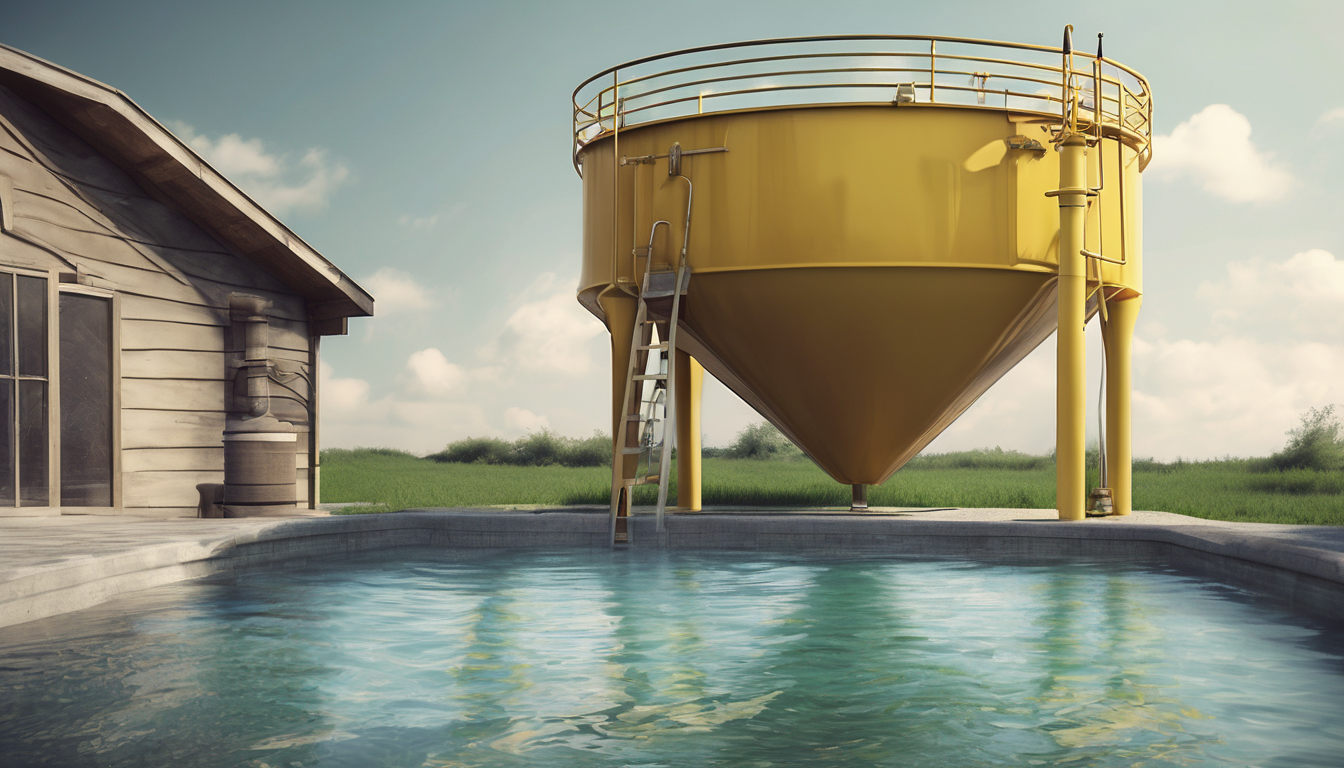

Understanding Chlorination Techniques for Effective Water Tank is essential.
Understanding Chlorination Techniques for Effective Water Tank
Chlorination techniques are crucial in maintaining the quality and safety of stored water, especially in large tanks used by residential complexes, commercial buildings, and other establishments. This guide will explore various chlorination methods, their benefits, costs, and how to effectively implement them.
Chlorination Techniques For Effective Water Tank – Factors Affecting Costs and Efficiency of Chlorination
The cost and efficiency of chlorination can vary significantly based on several factors. These include the size of the water tank, the volume of water to be treated, the frequency of treatment, and the specific chemical used.
Size of Water Tank
Larger tanks require more chemicals and labor, increasing costs. A 50,000-liter tank will have different chlorination requirements compared to a 1,000-liter one.
Volume of Water Treated
The volume of water treated per application can also impact the cost, with larger volumes often resulting in economies of scale and reduced costs per liter.
Chlorination Techniques For Effective Water Tank – Benefits of Using Dubai Municipality Approved Chemicals
Using chemicals approved by the Dubai Municipality ensures compliance with local health standards. These chemicals are designed to effectively remove contaminants while minimizing environmental impact and ensuring safety.
Efficacy
Dubai Municipality-approved chemicals have been rigorously tested for their ability to kill bacteria, algae, and other microorganisms that can contaminate water tanks.
Safety
These chemicals are formulated to be safe for potable water systems, ensuring that the treated water remains safe for consumption after chlorination.
Step-by-Step Guide to Chlorination Procedures
- Pre-Cleaning Inspection: Inspect the tank for cracks, leaks, or visible contamination. This helps in determining the extent of chlorination required.
- Draining and Isolation: Drain the tank completely to ensure no residual water interferes with the process. Close all valves to isolate the tank from the supply system.
- Chemical Application: Add the appropriate amount of chlorination chemical, typically based on the volume of water in the tank. Follow manufacturer instructions for exact dosages.
- Mixing and Circulation: Ensure thorough mixing by running pumps or other means to circulate the treated water throughout the system.
- Rinsing: Once the treatment is complete, rinse the tank thoroughly with clean water. This step removes any remaining residual chemicals and ensures the water is safe for consumption.
Maintaining Hygiene in Water Tanks
Maintaining hygiene in water tanks involves not only chlorination but also regular cleaning, inspection, and maintenance. Here are some key steps:
Regular Cleaning
Regularly clean the tank to remove sediment, biofilm, and other contaminants that can harbor bacteria.
Inspection Schedules
Schedule routine inspections every six months or as recommended by a certified water tank expert to ensure ongoing hygiene standards are met.
Preventing Algae Growth and Bacterial Contamination
Algae growth can significantly impact the taste, odor, and quality of stored water. Effective chlorination techniques can prevent this by eliminating algae and other microorganisms.
Biocide Usage
Using biocides specifically designed to target algae and bacteria helps in maintaining a hygienic environment within the tank.
Expert Tips for Optimizing Chlorination
- Precise Dosage: Follow manufacturer guidelines for chlorination chemicals to ensure precise dosing, which is crucial for effectiveness and safety.
- Tank Ventilation: Ensure proper ventilation during the process to avoid inhaling harmful fumes from the chemicals.
- Avoid Cross-Contamination: Use separate equipment for chlorination and cleaning to prevent cross-contamination with other water sources.
FAQ Section
- Q: How often should I perform chlorination?
- A: Chlorination should be performed at least twice a year, or as recommended by a certified professional. More frequent treatments may be necessary in areas with high dust and heat.
Q: What are the signs of poor water quality?
A: Poor water quality can be indicated by an unpleasant taste or smell, discolored water, or visible sediment. Regular inspections help identify these issues early.
Q: Can I do chlorination myself?
A: While it is possible to perform basic chlorination yourself, it is recommended to hire a certified professional for safety and effectiveness reasons.
Conclusion
Chlorination techniques are essential for maintaining the quality of stored water in tanks. By understanding the factors affecting costs and efficiency, using approved chemicals, following proper procedures, and implementing preventive measures, you can ensure clean, hygienic water storage that meets local health standards.