


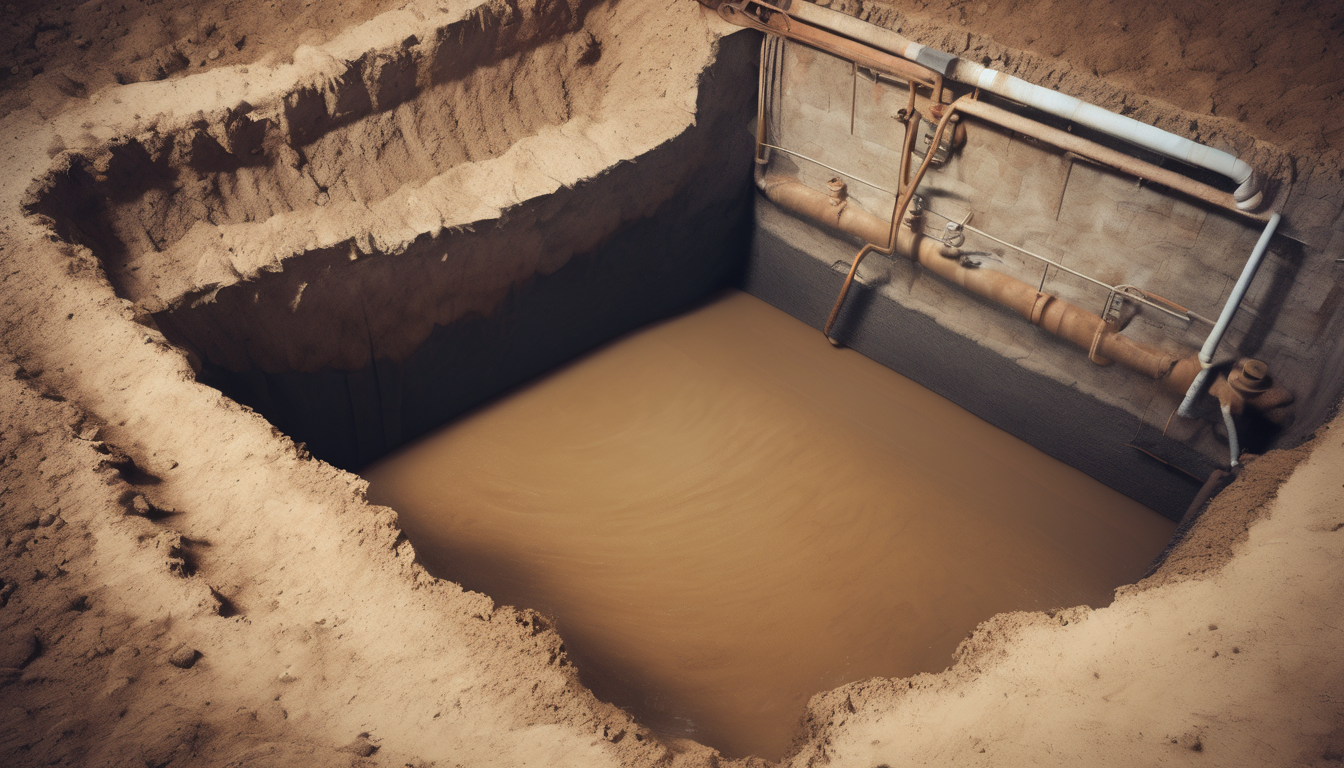

Understanding Managing Sediment Buildup In Underground Tanks is essential.
Understanding Managing Sediment Buildup in Underground Tanks
Managing sediment buildup in underground tanks is crucial for maintaining the integrity and hygiene of your water storage system. Over time, sediments can accumulate on the walls and floors of underground tanks due to factors such as weathering, dirt infiltration, and decomposing organic matter.
What is Sediment Buildup?
Sediment buildup refers to the accumulation of particles, debris, and other materials that settle at the bottom or sides of an underground water tank. These sediments can range from fine silt and sand to larger pieces such as leaves, twigs, and even small animals.
Why Manage Sediment Buildup?
Ignoring sediment buildup in your underground tanks can lead to a variety of issues. Firstly, it can impair the water quality, leading to taste and odor problems that may affect daily use. Secondly, sediments can harbor bacteria and other contaminants, posing a risk to public health. Additionally, excessive sediment accumulation can cause blockages, reduce storage capacity, and increase maintenance costs.
Health Risks
Contaminated water due to sediment buildup may contain harmful microorganisms such as E.coli, Salmonella, and other pathogens that can lead to gastrointestinal illnesses. Regular cleaning ensures safe drinking water for your family and employees.
Common Sources of Sediment Buildup
Sediment accumulation in underground tanks is not random; it occurs due to several factors:
- Weathering: The constant exposure to temperature fluctuations and rain can cause the tank lining to deteriorate over time, allowing more particles to enter.
- Example: In Dubai, where the climate is hot and humid, sediment buildup occurs faster due to frequent rainfall and high temperatures.
- Dirt Infiltration: Improper tank seals or gaps in the structure can allow dirt and debris from the surrounding soil to seep into the water storage area.
- Example: Villas with poorly maintained underground tanks may experience more sediment buildup compared to those with better sealing practices.
- Decomposing Organic Matter: Leaves, dead insects, and other organic materials that find their way into the tank can decompose over time, contributing to sediment formation.
Detecting Sediment Buildup in Underground Tanks
To detect sediment buildup effectively, you should conduct regular inspections and water quality tests. Here are some signs that indicate sediment accumulation:
- Visible Sediments: A noticeable layer of sediment at the bottom of the tank.
- Example: During a visual inspection, you might notice a thick layer of sand or silt at the base of the underground tank.
- Taste and Odor Issues: Changes in water taste and smell can be indicative of sediment buildup.
- Example: Families living in villas with old underground tanks often report a strange, earthy taste and odor in their drinking water.
- Reduced Storage Capacity: If you notice that your tank’s storage capacity is decreasing over time, it could be due to sediment buildup.
- Example: In a high-rise building with an underground water tank, management might notice a gradual reduction in available water volume for daily use.
Prevention Strategies for Managing Sediment Buildup
To minimize sediment accumulation, you can implement the following strategies:
- Proper Sealing: Ensure that the tank is properly sealed to prevent dirt and debris from entering.
- Example: Use high-quality sealing materials and ensure that all joints are tightly secured during installation or maintenance.
- Regular Inspections: Conduct regular visual inspections and water quality tests to identify any issues early on.
- Example: For villa owners, scheduling quarterly inspections can help catch sediment buildup before it becomes a serious problem.
- Filtration Systems: Install filtration systems that can remove particles from the water before they reach your storage tank.
- Example: A multi-stage filtration system at the inlet of an underground tank can significantly reduce sediment accumulation.
Disposal and Disinfection Procedures
When managing sediment buildup, it is essential to follow proper disposal and disinfection procedures:
- Safe Disposal: Dispose of the accumulated sediments in a manner that does not harm the environment. This may involve using a licensed waste management company.
- Example: For apartment complexes, hiring a local waste management service to remove and properly dispose of tank sludge is crucial for compliance with UAE regulations.
- Disinfection: Use approved disinfectants to clean the tank interior and kill any potential bacteria or pathogens. This step is critical to ensure that your water storage system remains hygienic after sediment removal.
- Example: Using chlorine-based solutions as per Dubai Municipality guidelines can effectively disinfect underground tanks without causing harm to the environment or public health.
How Often to Clean Underground Tanks?
The frequency of cleaning depends on several factors, including tank type, usage, and local climate conditions:
- Frequency for Villas: Villas with underground tanks should aim for at least one thorough cleaning every 3-5 years.
- Example: An average villa in Dubai may require a cleaning once every four to five years, depending on the condition of the tank and water quality reports.
- Frequency for High-Rise Buildings: In high-rise buildings with shared underground tanks, a more frequent schedule—every 1-2 years—is recommended due to higher occupancy rates and potential contamination risks.
- Example: For an office building in Abu Dhabi, the management might decide on annual cleaning intervals to ensure continuous water quality and safety for all residents.
Expert Tips for Managing Sediment Buildup in Underground Tanks
Here are some expert tips to help you manage sediment buildup effectively:
- Avoid Cross-Contamination: Ensure that your cleaning process does not cause cross-contamination between different water storage systems.
- Example: When cleaning multiple underground tanks in a villa complex, use separate tools and equipment for each tank to prevent the spread of contaminants.
- Use Approved Chemicals: Always use chemicals that are approved by your local municipality. This ensures both effectiveness and safety during the disinfection process.
- Example: For property managers, using DM-approved disinfectants is mandatory to maintain compliance with health standards in Dubai.
- Diligent Record Keeping: Keep detailed records of all cleaning activities, including dates and chemicals used. This documentation can be useful for future reference and compliance audits.
- Example: Maintaining comprehensive inspection logs helps property managers in Abu Dhabi to track the maintenance history of their underground tanks and address any recurring issues promptly.
FAQ on Managing Sediment Buildup
- Q: How can I tell if my underground tank is accumulating sediment?
- A: Regular inspections and water quality tests can help detect any signs of sediment buildup. Look for visible layers at the bottom, taste changes, or reduced storage capacity.
Q: Is it necessary to clean an underground tank every year?
A: The frequency depends on usage and local conditions. For villas in Dubai, a cleaning interval of 3-5 years is typical, while high-rise buildings may require annual cleaning due to higher risk factors.
Q: Can I do the cleaning myself, or should I hire professionals?
A: If you are comfortable with the process and have the necessary equipment, self-cleaning can be an option. However, hiring certified professionals ensures safety and compliance with local regulations.
Conclusion
Managing sediment buildup in underground tanks is a critical aspect of maintaining safe and clean water for your family or building occupants. By understanding the common sources of sediment accumulation, recognizing signs of buildup, implementing prevention strategies, and following proper cleaning procedures, you can protect your water storage system from contamination and ensure long-term hygiene.
Regular inspections, diligent record keeping, and adherence to local guidelines are key steps in this process. If you need assistance or have any concerns about sediment buildup, consulting with a certified water tank cleaning expert is highly recommended. When considering Managing Sediment Buildup In Underground Tanks, this becomes clear.