








Factors To Consider When Choosing Overhead Water Storage – Material Selection for Overhead Water Storage Tank
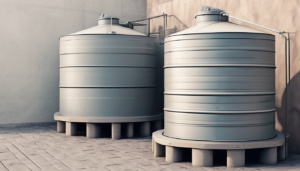
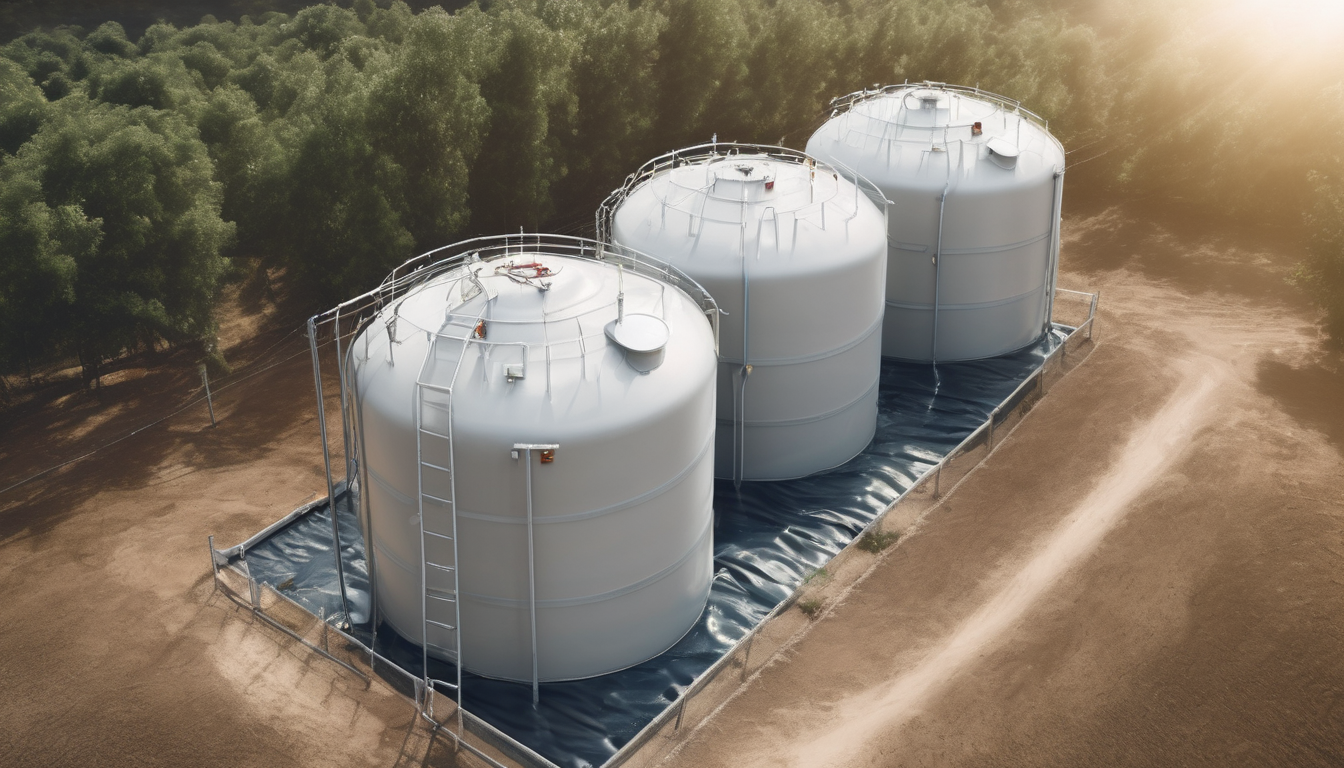
When choosing an overhead water storage tank, the material is a critical factor. Common options include GRP (Glass Reinforced Plastic) and concrete tanks. Each has its own set of advantages and disadvantages in terms of durability, maintenance, and cost. This relates directly to Factors To Consider When Choosing Overhead Water Storage.
GRP Tanks
GRP tanks are popular due to their lightweight and corrosion-resistant properties. They are ideal for environments with high humidity or acidic water conditions. However, they can be more expensive initially compared to concrete tanks.
Concrete Tanks
Concrete tanks offer a cost-effective solution with excellent durability and longevity. They are less prone to leaks but may require periodic inspections for cracks and other damage. Concrete is also heavier, making installation more challenging in some cases.
Key Consideration: Choose GRP if you prioritize ease of maintenance and chemical resistance; opt for concrete for long-term savings and durability. When considering Factors To Consider When Choosing Overhead Water Storage, this becomes clear.
Factors To Consider When Choosing Overhead Water Storage – Tank Capacity and Design Considerations
The size and design of your overhead water storage tank are crucial to ensure that it can meet the daily demands of your household. Over-sizing or under-sizing the tank can lead to inefficiencies and increased costs in terms of energy consumption and maintenance.
Tank Capacity
Calculate the required capacity based on your daily water usage, typically ranging from 100 to 250 liters per person. For example, a family of four may need a tank with a minimum storage capacity of 400-600 liters.
Tank Design
Consider the design that best fits your needs. Round tanks are common and efficient in terms of water usage, while oval or square tanks can be more aesthetically pleasing but may not provide optimal storage volume. The importance of Factors To Consider When Choosing Overhead Water Storage is evident here.
Key Consideration: Balance tank capacity with daily consumption to avoid unnecessary costs and wastage.
Factors To Consider When Choosing Overhead Water Storage – Durability and Maintenance Requirements of Different Water Tank
The durability and maintenance requirements of the material you choose can significantly impact the overall cost-effectiveness of your overhead water storage tank. Regular cleaning, disinfection, and inspection are essential to ensure long-term functionality.
GRP Tanks Maintenance
GRP tanks require periodic inspections for cracks or leaks. Routine cleaning with approved chemicals is recommended every 6-12 months to prevent sediment buildup and biofilm growth. Understanding Factors To Consider When Choosing Overhead Water Storage helps with this aspect.
Concrete Tanks Maintenance
Concrete tanks may need more frequent visual inspections, especially after periods of inactivity. Regular cleaning should be done by a professional every 2-3 years to ensure the tank remains hygienic and free from contaminants.
Key Consideration: GRP tanks generally require less maintenance but are more expensive upfront; concrete tanks may have higher maintenance costs over time due to their heavier weight and potential for leaks.
Environmental Impact and Sustainability
The environmental impact of your overhead water storage tank is another important factor. Both GRP and concrete tanks can be environmentally friendly, but the choice depends on several factors including production processes, energy consumption during use, and disposal. Factors To Consider When Choosing Overhead Water Storage factors into this consideration.
GRP Tanks Environmental Impact
GRP tanks are lightweight and require less material for production. They also have a lower carbon footprint compared to concrete due to reduced transportation needs. However, GRP products can take longer to decompose in landfills.
Concrete Tanks Environmental Impact
Concrete tanks are heavier and require more energy for production. They also contribute to higher carbon emissions due to the intensive manufacturing process. However, concrete is biodegradable and can be recycled at the end of its life cycle.
Key Consideration: While GRP may have a lower initial impact, the overall environmental benefits depend on proper disposal practices. Concrete offers better recyclability and decomposability options but requires more energy-intensive production processes. This relates directly to Factors To Consider When Choosing Overhead Water Storage.
Cost Analysis: Material vs. Long-Term Benefits
The cost of an overhead water storage tank goes beyond the initial purchase price. Consider the long-term benefits in terms of maintenance, energy consumption, and overall reliability.
GRP Tanks Cost Analysis
While GRP tanks may have a higher upfront cost, they often require fewer resources for maintenance and can last longer due to their resistance to corrosion. This makes them more cost-effective in the long run.
Concrete Tanks Cost Analysis
Conversely, concrete tanks may have a lower initial price but higher maintenance costs over time due to the need for regular inspections and cleaning. The energy consumption during use also needs to be factored in, as water stored at a higher elevation requires more power to pump. When considering Factors To Consider When Choosing Overhead Water Storage, this becomes clear.
Key Consideration: Balance the initial cost with long-term savings and efficiency when selecting your overhead water storage tank material.
Installation and Space Constraints
The location of your overhead water storage tank can impact its functionality, especially in terms of space constraints and ease of access for maintenance.
Space Considerations
Choose a location that provides ample space for the tank, piping, and any necessary equipment. Ensure there is enough headroom to accommodate cleaning and inspection activities without causing damage or inconvenience. The importance of Factors To Consider When Choosing Overhead Water Storage is evident here.
Accessibility for Maintenance
Proximity to the roof access point is crucial for easy installation and future maintenance tasks. The tank should be easily accessible from a ladder or platform, making it simple to clean and inspect regularly.
Key Consideration: Opt for a location that minimizes disruptions during installation and ensures ease of access for routine maintenance activities.
Health and Hygiene Considerations for Overhead Water Storage Tanks
The health and hygiene of the water you store are paramount. Proper selection and care of your overhead water storage tank can significantly reduce the risk of contamination, ensuring safe daily use.
Tank Cleaning and Disinfection
Regular cleaning and disinfection are essential to prevent bacterial growth and ensure potable water quality. Use approved chemicals that comply with local health regulations for thorough cleaning and effective disinfection.
Water Quality Monitoring
Install monitoring equipment if possible, such as pH meters or turbidity sensors, to continuously check the water quality within the storage tank. Regular sampling and analysis can help identify any issues before they become problematic.
Key Consideration: Prioritize regular cleaning, disinfection, and monitoring to maintain high standards of hygiene in your overhead water storage system.
Expert Tips for Selecting the Right Overhead Water Storage Tank
- Select a reputable supplier: Choose a company with experience and a good track record to ensure quality products and reliable service.
- Consider energy efficiency: Opt for tanks that can be retrofitted with solar panels or other energy-saving devices to reduce the load on your water pump.
- Ensure proper installation: Hire a professional installer who follows best practices to guarantee a secure and efficient system.
- Regular maintenance schedule: Establish a regular cleaning and inspection routine based on manufacturer guidelines or local health regulations.
Key Takeaway: Partner with experts in water tank cleaning and disinfection to ensure your overhead storage system meets all necessary hygiene standards year-round.
Frequently Asked Questions (FAQ)
- How often should I clean my overhead water storage tank? It is recommended to clean the tank every 6-12 months, depending on usage and local regulations.
- Can I use any cleaning chemicals for my tank? No, only use approved chemicals that comply with local health standards. Consult your supplier or a certified service provider for recommendations.
- Is it necessary to install an overhead water storage tank if I have a reliable municipal supply? While not always essential, having a backup storage system can provide additional peace of mind and ensure consistent water pressure during outages.
Conclusion
Selecting the right overhead water storage tank requires careful consideration of multiple factors. By understanding the key considerations outlined in this guide, you can make an informed decision that balances cost-effectiveness, durability, and hygiene standards. Remember to prioritize regular maintenance and professional cleaning services to ensure your family’s access to clean, safe drinking water. Understanding Factors To Consider When Choosing Overhead Water Storage is key to success in this area.