




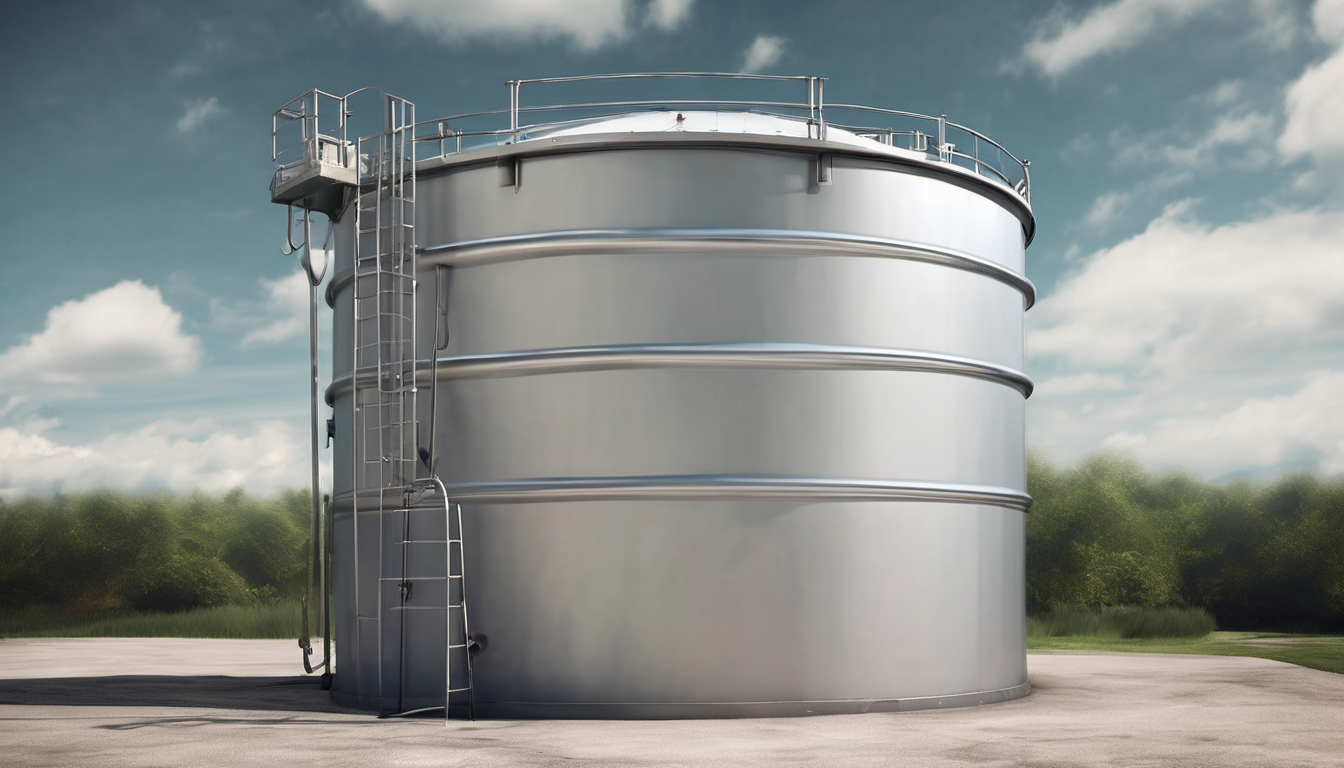

Introduction to Overhead Water Storage Tanks
Overhead water storage tanks are essential components in many buildings, providing a reliable source of clean and safe drinking water. These tanks can be found in residential homes, commercial buildings, schools, hospitals, and other facilities. To ensure the longevity and functionality of these tanks, it is crucial to select the right material that meets hygiene standards, durability, and cost-effectiveness. This relates directly to Which Material Is Best For Overhead Water Storage Tank.
This guide will explore which material is best for overhead water storage tanks by considering factors such as durability, maintenance requirements, cost, and compliance with UAE regulations. Understanding these aspects will help you make an informed decision when selecting a tank for your property in Dubai, Abu Dhabi, or Sharjah.
Which Material Is Best For Overhead Water Storage Tank
Choosing the right material for overhead water storage tanks involves evaluating several factors, including durability, cost, and compliance with local regulations. The following sections delve into each of these aspects to provide a comprehensive overview of the materials commonly used in such applications.
Concrete vs. GRP: Understanding the Differences
Two popular materials for overhead water storage tanks are concrete and Glass Reinforced Plastic (GRP). Both have their advantages and disadvantages, making it essential to understand their characteristics before selecting a material. When considering Which Material Is Best For Overhead Water Storage Tank, this becomes clear.
GRP Materials and Their Advantages
What is GRP?
Glass Reinforced Plastic (GRP) is a composite material composed of fiberglass reinforced with a resin matrix, typically polyester or vinylester. GRP offers several advantages over other materials:
- Durability and Longevity: GRP tanks are known for their long-lasting properties, making them ideal for overhead storage.
- Lightweight: GRP is significantly lighter than concrete, reducing the load on building structures and lowering installation costs.
- Corrosion Resistance: GRP has excellent resistance to chemicals, acids, and other substances that could degrade water quality.
Applications in Water Storage Tanks:
GRP materials are widely used for overhead water storage tanks due to their non-porous nature, which minimizes the risk of biofilm formation. This ensures a cleaner and safer water supply, particularly important for potable water systems.
Concrete as a Material Option
Strength and Durability:
Concrete is another common material used for overhead water storage tanks due to its robust nature. It offers excellent strength and durability, making it suitable for heavy-duty applications. The importance of Which Material Is Best For Overhead Water Storage Tank is evident here.
- Cost-Effectiveness: Concrete is generally cheaper than GRP, making it a more budget-friendly option for many properties.
- Fire Resistance: Due to its composition, concrete has inherent fire-resistant properties, which can be beneficial in certain environments.
Maintenance Considerations:
While concrete is durable, it requires regular maintenance to prevent cracks and leaks. Additionally, the porous nature of concrete may lead to the accumulation of biofilm over time if not properly maintained.
Other Materials Options: Steel, Fiberglass Reinforced Plastic (FRP)
Steel:
- Strength and Flexibility: Steel tanks offer high strength and flexibility, making them suitable for various applications.
- Maintenance Requirements: Steel requires regular inspections to prevent rusting and corrosion. Proper maintenance is crucial to ensure its longevity.
Fiberglass Reinforced Plastic (FRP):
- Non-Porous Surface: Like GRP, FRP offers a non-porous surface that minimizes biofilm formation and ensures clean water storage.
- Weight Considerations: While FRP is lighter than concrete, it may not be as cost-effective compared to GRP in terms of installation.
Both steel and FRP have their advantages and are suitable for overhead water storage tanks in specific scenarios. However, they often come with higher maintenance costs due to the need for regular inspections and potential corrosion issues.
Maintenance and Compliance for Overhead Tanks
Regardless of the material chosen, regular maintenance is essential to ensure the longevity and functionality of overhead water storage tanks. Proper maintenance includes: Understanding Which Material Is Best For Overhead Water Storage Tank helps with this aspect.
- Cleaning and Disinfection: Regular cleaning and disinfection are crucial to prevent biofilm formation and maintain water quality.
- Inspection for Cracks and Leaks: Regular inspections can help identify potential issues early, preventing water loss and contamination.
- Compliance with Local Regulations: Ensure the tank meets local regulations and guidelines set by authorities such as Dubai Municipality.
Maintaining overhead water storage tanks not only ensures a safe and clean water supply but also complies with health and safety standards, protecting your family and building occupants from potential contaminants.
Expert Tips for Selecting the Best Material
- Consider Long-Term Costs: While initial costs may vary between materials, consider the long-term maintenance and operational costs when making your decision. GRP and concrete are both durable options but have different maintenance requirements.
- Evaluate Local Regulations: Familiarize yourself with local regulations and guidelines for water storage tanks to ensure compliance and safety.
- Consult a Professional: Engage with a certified water tank cleaning expert or installer who can provide guidance based on your specific needs and the local environment.
Selecting the right material is just one aspect of ensuring clean, safe water storage. Proper installation, maintenance, and compliance with regulations are equally important to safeguard the quality of your water supply.
Frequently Asked Questions (FAQs)
- Q: Is GRP better than concrete for overhead water tanks?
A: Both materials have their advantages. GRP offers a non-porous surface and is lighter, reducing the load on structures. Concrete is durable and cost-effective but requires regular maintenance to prevent leaks. Which Material Is Best For Overhead Water Storage Tank factors into this consideration.
- Q: How often should overhead water tanks be cleaned?
A: Regular cleaning intervals vary based on usage and local regulations. Typically, tanks should be inspected annually and cleaned every 3-5 years for optimal performance and hygiene.
- Q: Can I use GRP in high-temperature areas?
A: GRP performs well under various temperature conditions but may require additional considerations in extremely hot or cold environments. Consult with a professional to ensure suitability for your specific location.
Conclusion: Choosing the Right Material for Overhead Tanks
Selecting the best material for overhead water storage tanks involves careful consideration of factors such as durability, maintenance requirements, cost, and compliance with local regulations. While GRP offers advantages in terms of non-porous surfaces and lighter weight, concrete remains a robust and budget-friendly option. Engaging with professionals can help you make an informed decision that ensures a safe and reliable water supply for your home or building. This relates directly to Which Material Is Best For Overhead Water Storage Tank.
Remember to prioritize maintenance and regular inspections to keep your overhead tank functioning optimally. By choosing the right material and following best practices, you can ensure clean, safe drinking water for years to come. Understanding Which Material Is Best For Overhead Water Storage Tank is key to success in this area.