


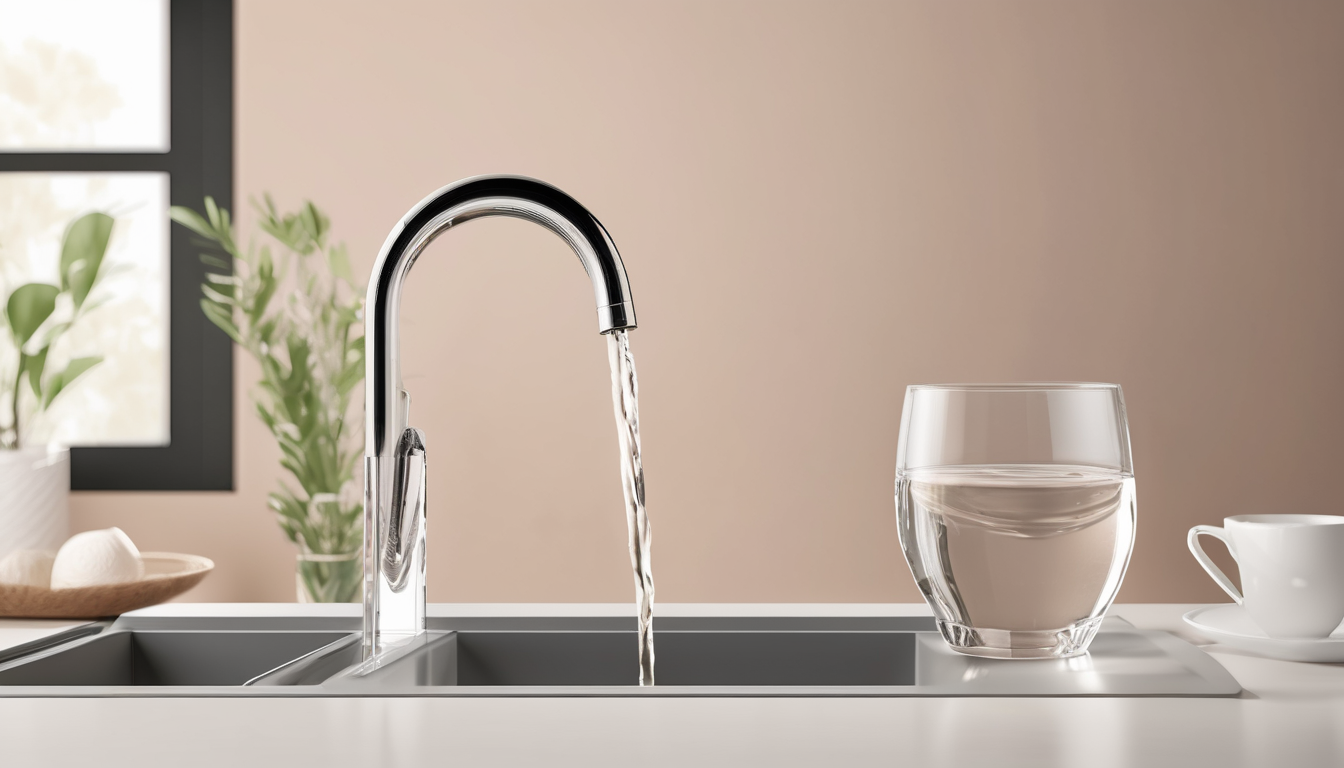

How to Test drinking water quality at home Dubai begins with understanding that your tap water originates from DEWA’s extensive treatment network but passes through your building’s storage tanks and plumbing before reaching your glass. The quality at your tap reflects both municipal treatment standards and your property’s maintenance practices. Regular testing provides peace of mind and identifies issues before they affect your family’s health or your home’s plumbing systems.
Test Drinking Water Quality at Home Dubai – Understanding Dubai’s Water Quality Standards
Before learning how to test drinking water quality at home Dubai, you should understand the benchmarks against which you’ll compare your results. DEWA water meets World Health Organization guidelines at treatment plants, with typical total dissolved solids (TDS) levels between 150-250 ppm. Dubai Municipality regulations require building water tanks to be cleaned and disinfected annually by certified professionals, maintaining residual chlorine levels of 0.2-0.5 mg/L at tap points.
The most common parameters for how to test drinking water quality at home Dubai include TDS (total dissolved solids), pH level, chlorine residual, hardness, and microbial contamination indicators. Professional laboratory testing expands this to heavy metals, chemical contaminants, and specific pathogens like Legionella, which requires specialized culturing methods beyond home testing capabilities.
Test Drinking Water Quality at Home Dubai – Essential Tools for Home Water Testing
When determining how to test drinking water quality at home Dubai, you’ll need appropriate testing equipment. Basic TDS meters cost approximately AED 80-150 and provide instant readings of dissolved minerals. Digital pH testers in the AED 120-200 range measure acidity/alkalinity, which affects plumbing corrosion and disinfectant effectiveness. Chemical test strips for chlorine, hardness, and basic parameters offer affordable screening at AED 40-80 per pack.
For more comprehensive how to test drinking water quality at home Dubai approaches, consider professional water testing kits from certified laboratories. These typically include sterile sampling bottles, detailed instructions, and laboratory analysis for coliform bacteria, E. coli, and other contaminants. These kits range from AED 300-600 depending on the number of parameters tested and provide legally defensible results if water quality issues require formal documentation.
Test Drinking Water Quality at Home Dubai – Step-by-Step Guide to Collecting Water Samples
Proper sampling technique is crucial for accurate results when learning how to test drinking water quality at home Dubai. Begin by selecting appropriate sampling points: kitchen tap for drinking water, tank outlet for stored water quality, and multiple points if investigating specific issues. Let the water run for 2-3 minutes to clear standing water from pipes before collecting samples.
Use clean, sterile containers provided with testing kits or purchased from laboratory suppliers. Avoid touching the inside of containers or lids, and fill to the indicated level without overflowing. For bacterial testing, maintain sample refrigeration and deliver to the laboratory within 24 hours. For chemical parameters, follow specific preservation instructions provided with your testing kit.
Interpreting Your Water Test Results
Understanding your findings completes the process of how to test drinking water quality at home Dubai. Compare TDS readings to DEWA’s typical 150-250 ppm range; values significantly higher may indicate tank contamination or plumbing issues. pH should fall between 6.5-8.5, with values outside this range potentially causing corrosion or scaling.
Chlorine residual between 0.2-0.5 mg/L indicates proper disinfection, while absent chlorine may suggest bacterial growth or insufficient tank maintenance. Hardness levels above 200 mg/L as CaCO3 may require water softening to prevent scale buildup. For microbial tests, any presence of coliform bacteria or E. coli requires immediate professional investigation and remediation.
When to Call Professional Water Testing Services
While learning how to test drinking water quality at home Dubai empowers homeowners, certain situations require professional intervention. If your DIY tests show persistent water quality issues, unusual odours or colours, or if household members experience water-related health concerns, contact certified water testing professionals. Dubai Municipality-approved laboratories provide comprehensive testing that includes parameters beyond home testing capabilities.
Professional water testing services become essential when dealing with legal requirements, insurance claims, or property transactions. Certified laboratories provide legally defensible documentation of water quality, which may be necessary for compliance with Dubai Municipality regulations or resolving disputes with property management companies regarding water tank maintenance responsibilities.
Maintaining Ongoing Water Quality Monitoring
Establishing a routine completes your knowledge of how to test drinking water quality at home Dubai. Conduct basic TDS and chlorine tests quarterly to monitor consistency between professional tank cleaning cycles. Perform comprehensive testing annually, ideally shortly after your building’s scheduled water tank cleaning and disinfection service.
Keep a logbook of your water test results, noting dates, sampling points, and any observations about water appearance, odour, or taste. This historical record helps identify trends and provides valuable documentation if water quality issues develop over time. Share significant findings with your building management to ensure coordinated maintenance of shared water systems.
Common Water Quality Issues in Dubai Homes
Understanding typical problems enhances your approach to how to test drinking water quality at home Dubai. High TDS often results from evaporative concentration in roof tanks during hot months, while low chlorine residual typically indicates biofilm development in tanks or pipes. Musty odours frequently originate from algae growth in poorly maintained tanks, particularly those with inadequate covers or exposed to sunlight.
Brown discolouration usually signals sediment disturbance or corrosion in aging plumbing systems, while black particles may indicate deteriorating rubber components or tank lining issues. Metallic tastes often correlate with low pH water corroding copper pipes, and sulphur odours may suggest bacterial activity in anaerobic conditions within tanks or pipes.
Expert Tips for Home Water Testing
Based on twelve years of field experience, I recommend these professional insights for how to test drinking water quality at home Dubai. Test at multiple times of day – morning samples often show higher contamination levels from overnight stagnation, while afternoon samples may reflect system performance under use conditions. Include both hot and cold water samples in your testing, as water heaters can harbour bacteria and affect water chemistry.
Compare your results with neighbours in the same building to distinguish unit-specific issues from building-wide concerns. Always run water for several minutes before sampling for drinking water assessment, but also test first-draw water to evaluate what accumulates during stagnation periods. Document everything with photos and notes – visual evidence of sediment, discolouration, or tank conditions provides crucial context for interpreting laboratory results.
Frequently Asked Questions
How often should I test my home water quality in Dubai?
For most Dubai homes, quarterly basic testing with TDS meter and chlorine strips provides adequate monitoring between annual professional tank cleaning. Comprehensive laboratory testing should accompany each tank cleaning service to verify disinfection effectiveness and document water safety standards.
What is the most important water quality parameter to test?
Chlorine residual provides the most immediate indicator of disinfection status in Dubai’s water systems. Maintained between 0.2-0.5 mg/L, it indicates active protection against microbial growth while remaining within safe drinking levels.
Can I use international water testing kits in Dubai?
While technically possible, Dubai-specific kits calibrated for local water characteristics provide more relevant benchmarks. The high mineral content and temperature conditions in the UAE affect testing accuracy for some generic international kits.
What should I do if my test shows bacterial contamination?
Immediately contact a Dubai Municipality-approved water tank cleaning and disinfection service. Avoid drinking the water until professionals confirm resolution through post-disinfection testing. Bacterial issues require systematic pipeline flushing and tank disinfection, not just point-of-use filtration.
Is DEWA water safe to drink directly from the supply?
DEWA water meets all international standards at treatment plants, but building storage tanks and plumbing systems can introduce contamination. Regular testing and maintenance ensure the water reaching your tap maintains these safety standards throughout the distribution chain.
How much does professional water testing cost in Dubai?
Basic bacterial testing starts around AED 300, while comprehensive packages including chemicals and heavy metals range from AED 600-1200. Many water tank cleaning services include basic testing in their disinfection packages, providing cost-effective regular monitoring.
Learning how to test drinking water quality at home Dubai empowers residents to actively participate in maintaining their water safety between professional maintenance cycles. While DIY testing provides valuable ongoing monitoring, it complements rather than replaces professional tank cleaning and comprehensive laboratory analysis. The most effective approach combines regular homeowner vigilance with scheduled professional maintenance, creating layered protection for your family’s water supply.