

The Underground Water Tank Cleaning Process Kuwait represents a meticulous approach to water safety that combines Dubai Municipality guidelines with international hygiene standards. This case study examines how systematic cleaning resolved persistent water quality issues for a Kuwaiti family residing in Dubai Hills, demonstrating why proper tank maintenance matters for every Dubai household.
Underground Water Tank Cleaning Process Kuwait – The Challenge: Persistent Water Quality Issues in Dubai Hill
A Kuwaiti family residing in their Dubai Hills villa noticed gradual changes in their water quality over several months. The initial signs included slight discoloration in white sinks and occasional sediment particles in shower filters. Despite quarterly maintenance from their facility management company, the issues persisted and gradually worsened.
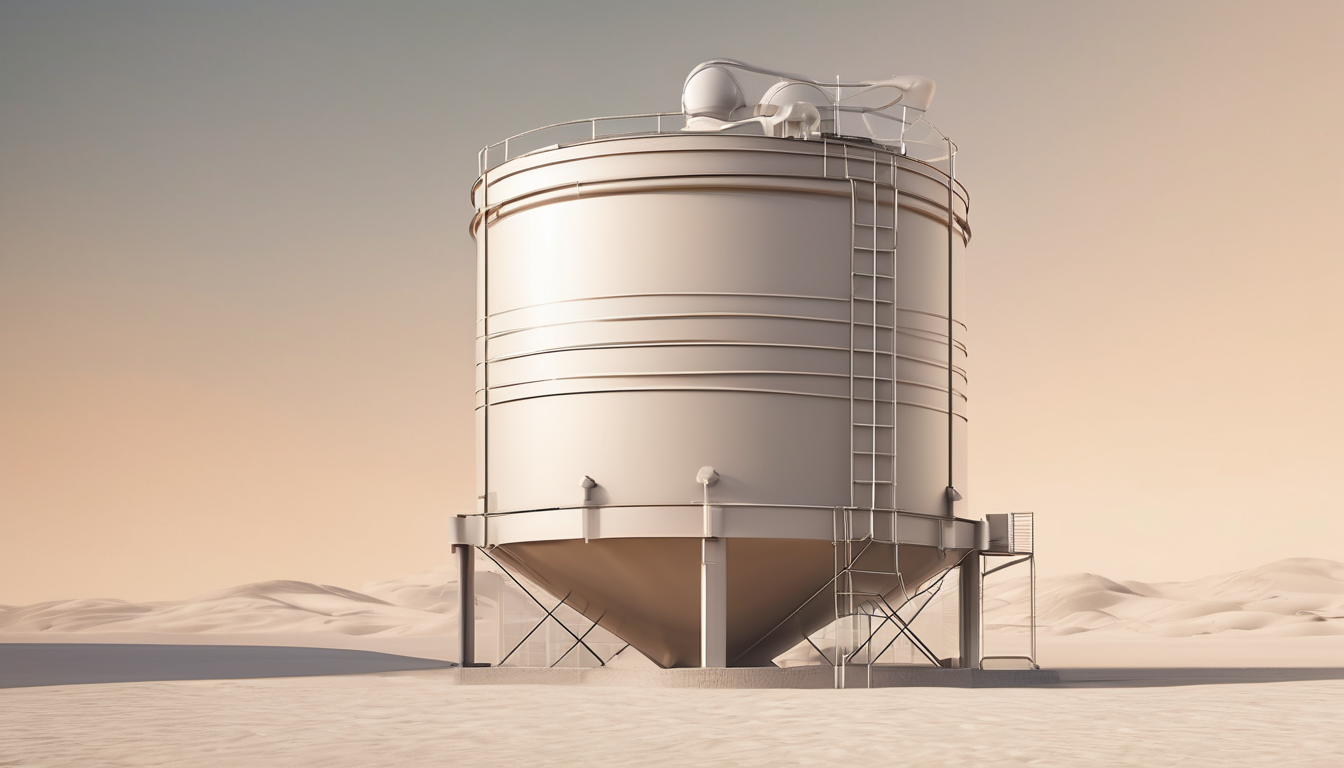
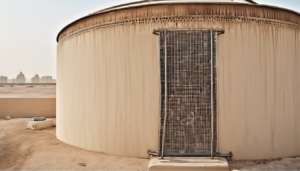
By the time they contacted our team, the family reported visible sediment in drinking glasses and a distinct musty odor from cold water taps. Their concern escalated when their youngest child developed skin irritation after bathing. The villa featured a 5,000-litre underground concrete tank that hadn’t undergone professional cleaning in over three years, with only basic surface maintenance performed periodically.
Underground Water Tank Cleaning Process Kuwait – Initial Assessment and Water Testing Protocol
Our first step in the Underground Water Tank Cleaning Process Kuwait involved comprehensive water testing and visual inspection. We collected samples from multiple points: directly from the tank outlet, kitchen cold taps, and bathroom showers. Laboratory analysis revealed elevated turbidity levels at 8 NTU (well above the Dubai Municipality standard of 1 NTU) and detectable coliform bacteria.
The visual inspection through tank access points showed significant sediment accumulation at the bottom and visible biofilm formation on the tank walls. Using underwater cameras, we identified approximately 3-4 centimetres of silt and debris accumulation, with sections of the concrete walls showing algae growth. This assessment confirmed that standard maintenance cleaning had been insufficient for addressing deep-seated contamination.
Underground Water Tank Cleaning Process Kuwait – Safety Preparation and Tank Isolation Procedures
Before commencing the actual Underground Water Tank Cleaning Process Kuwait, we implemented strict safety protocols. The water supply was completely isolated from the main building, with temporary water arrangements provided for the household. All electrical connections to adjacent pumps and systems were secured with lockout-tagout procedures.
We ventilated the tank space for 48 hours before entry, continuously monitoring oxygen levels and hazardous gases. Our team used harness systems and confined space entry protocols as required by Dubai Civil Defence regulations. These precautions ensured zero safety incidents throughout the cleaning process while maintaining household water access during the procedure.
Comprehensive Sediment Removal and Manual Cleaning
The core of the Underground Water Tank Cleaning Process Kuwait involves meticulous manual cleaning. We deployed industrial-grade submersible pumps to remove standing water, carefully directing it to approved drainage areas to prevent environmental contamination. Once drained, technicians entered the tank with high-pressure jet washers operating at controlled pressures to avoid damaging the concrete surfaces.
We used specialized non-abrasive brushes and Dubai Municipality-approved cleaning agents to scrub all interior surfaces. The sediment accumulation required careful removal with shovels and wet vacuums designed for potable water systems. Throughout this process, we continuously extracted debris and monitored progress to ensure complete removal of all contaminants.
Biofilm Treatment and Surface Disinfection
Following sediment removal, we addressed the biofilm contamination identified during assessment. Using NSF-certified cleaning agents specifically formulated for potable water systems, we applied a foaming action treatment to all surfaces. This foam clings to vertical walls and ceilings, ensuring extended contact time with the biofilm matrix.
After the prescribed contact period, we thoroughly rinsed all surfaces with potable water, ensuring no chemical residues remained. The tank underwent multiple rinsing cycles until the runoff water tested clear visually and through basic field testing instruments.
Disinfection and Chlorination Process
The critical disinfection phase of the Underground Water Tank Cleaning Process Kuwait involves precise chlorination. We calculated the chlorine dosage based on tank volume and contamination levels, achieving a controlled 50 ppm chlorine concentration throughout the tank. This concentration was maintained for six hours to ensure complete disinfection of all surfaces and residual water.
After the contact period, we thoroughly flushed the system until chlorine levels dropped below 0.5 ppm, the acceptable limit for potable water. We conducted multiple water tests during this flushing process, using portable testing equipment to verify chlorine reduction before proceeding to refill.
Post-Cleaning Validation and Water Quality Testing
Following the Underground Water Tank Cleaning Process Kuwait, we conducted comprehensive validation testing. Laboratory analysis showed turbidity levels reduced to 0.3 NTU, well within Dubai Municipality standards. Coliform bacteria tests returned negative results, and chemical analysis showed no residual cleaning agents.
We provided the family with complete documentation including before-and-after photos, laboratory certificates, and Dubai Municipality compliance reports. The documentation also included specific recommendations for maintenance frequency based on their water usage patterns and tank conditions.
Results and Long-Term Water Quality Maintenance
The implementation of proper Underground Water Tank Cleaning Process Kuwait resolved the family’s water quality issues completely. Within days, the musty odor disappeared, sediment particles vanished from taps, and the family reported noticeably clearer water. Their child’s skin irritation resolved without recurrence, confirming the connection between water quality and household health.
We established a preventive maintenance schedule with semi-annual inspections and annual comprehensive cleaning. Eighteen months following the initial cleaning, follow-up testing shows maintained water quality with no recurrence of previous issues. The family has since recommended our services to three other Kuwaiti families in their community.
Expert Tips for Underground Water Tank Maintenance
Regular inspection is crucial – check your tank every six months for visible sediment or biofilm. Install proper screening on all tank openings to prevent insect and debris entry. Monitor water clarity and odour monthly as early warning signs. Always use Dubai Municipality-approved cleaning agents when performing maintenance. Consider professional cleaning annually for underground tanks due to their vulnerability to sediment accumulation. Keep detailed records of all maintenance activities for reference and compliance purposes.
Frequently Asked Questions
How often should underground water tanks be cleaned in Dubai?
Dubai Municipality recommends annual cleaning for underground water tanks. However, tanks in sandy areas or with heavy usage may require more frequent cleaning. Professional assessment determines the ideal frequency based on specific conditions.
What are the signs that my water tank needs cleaning?
Visible sediment in taps, musty odours, water discolouration, and skin irritation after bathing indicate possible contamination. These signs suggest immediate professional assessment and potential cleaning.
Can I clean my underground water tank myself?
Underground tank cleaning requires confined space entry certification and specialised equipment. DIY cleaning often misses biofilm and sediment, potentially worsening contamination. Professional services ensure complete Dubai Municipality compliance.
How long does the cleaning process take?
A standard Underground Water Tank Cleaning Process Kuwait requires 6-8 hours for a typical villa tank. Larger tanks or severe contamination may extend to 12 hours. The process includes drying time for thorough completion.
Is the water safe to use immediately after cleaning?
After thorough flushing and chlorine level verification, water is safe for use. We provide laboratory verification confirming water safety before returning the system to normal operation.
The Underground Water Tank Cleaning Process Kuwait demonstrates how methodical professional cleaning resolves complex water quality issues. This Dubai Hills case study shows that proper techniques, combined with Dubai Municipality compliance, deliver lasting results that protect family health and maintain water system integrity. Regular professional maintenance remains the most effective approach to preventing water quality deterioration in Dubai’s challenging environmental conditions.