





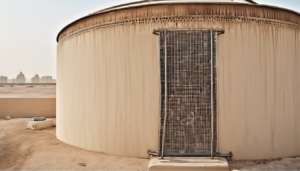

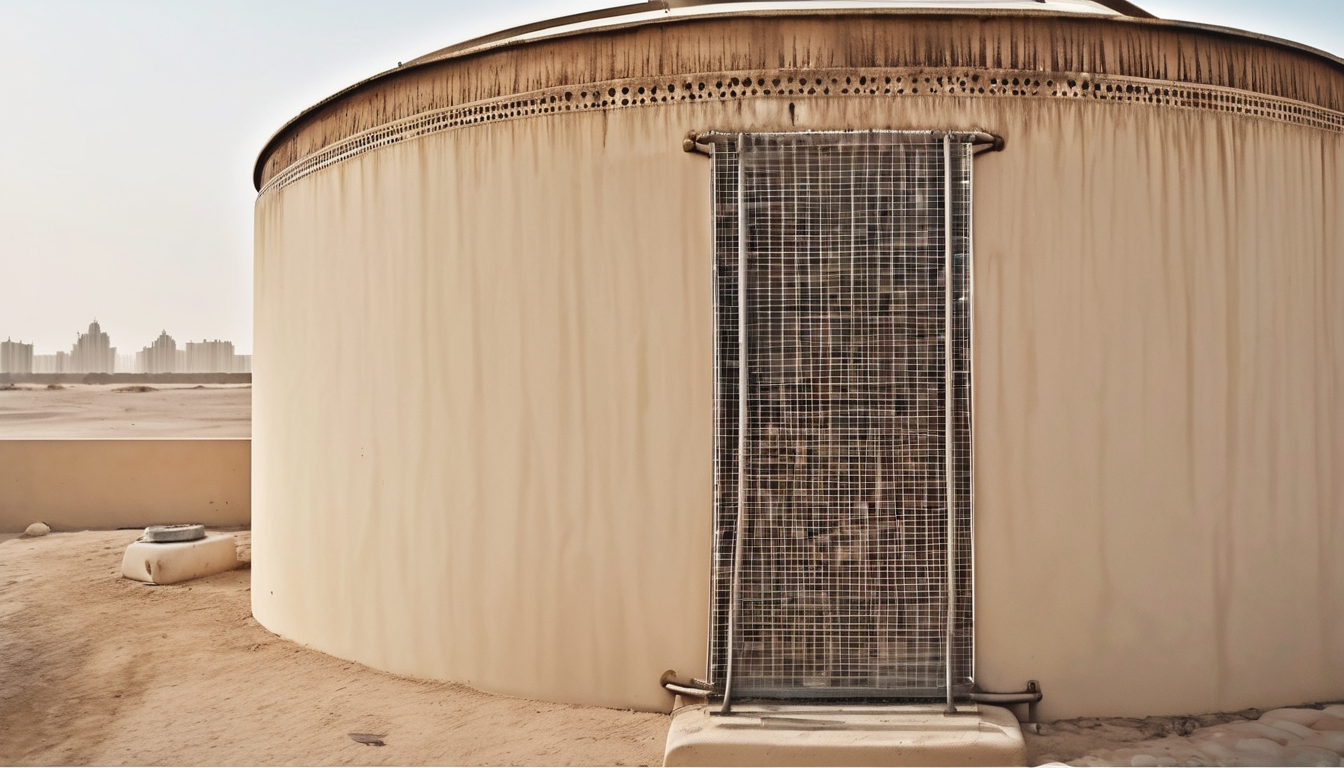

Recognising signs your Kuwait water tank needs cleaning begins with understanding how stored water behaves in Dubai’s climate. The combination of high temperatures, fine sand particles, and intermittent usage patterns creates specific contamination signatures that manifest through observable changes in water quality, pressure, and appearance. These Signs Your Kuwait water tank needs cleaning serve as early warnings that professional disinfection should be scheduled.
Water tank maintenance follows documented protocols rather than reactive responses. The most reliable signs your Kuwait water tank needs cleaning include visible sediment, unusual odours, and changes in water clarity. These indicators typically emerge before more serious contamination issues develop, allowing property owners to address concerns through systematic cleaning rather than emergency intervention.
Signs Your Kuwait Water Tank Needs Cleaning – Visible Sediment and Particle Accumulation
One of the most direct signs your Kuwait water tank needs cleaning appears as visible sediment in drawn water. When running taps release sandy particles or gritty residue into sinks and basins, this indicates settlement accumulation within the tank structure. In Dubai’s environment, fine desert sand frequently enters storage systems through ventilation points or during maintenance access.
The sediment composition typically includes mineral deposits, sand particles, and organic matter that settle at the tank bottom. Over time, this layer becomes compacted and can harbour bacterial growth. Professional assessment determines whether the sediment volume requires complete draining and manual removal rather than simple flushing.
Sediment Colour Interpretation
Brown or reddish sediment often indicates rust particles from ageing tank linings or pipework. Black or grey particles may suggest biofilm detachment or rubber fragments from deteriorating seals. White crystalline deposits typically represent mineral scale from hard water evaporation. Each sediment type requires different handling protocols during the cleaning process.
Signs Your Kuwait Water Tank Needs Cleaning: Unusual Odours in Tap Water
Another clear indicator among signs your Kuwait water tank needs cleaning involves detectable odours from tap water. Musty, earthy smells often develop from bacterial activity within stagnant water zones. Metallic odours may indicate corrosion processes affecting tank surfaces or connecting pipes.
Chlorine-like smells without recent disinfection could signal bacterial contamination that’s producing similar compounds. Rotten egg odours typically indicate sulphur-reducing bacteria activity in anaerobic conditions. These olfactory signs your Kuwait water tank needs cleaning should prompt immediate water testing rather than temporary masking with filtration.
Signs Your Kuwait Water Tank Needs Cleaning: Water Discoloration and Cloudiness
Changes in water appearance provide visual signs your Kuwait water tank needs cleaning. Yellow or brown tinting often indicates rust presence from corroded surfaces. Greenish hues may suggest algal growth, particularly in roof tanks receiving sunlight exposure.
General cloudiness or milky appearance can signal fine particle suspension or bacterial proliferation. While some cloudiness may clear after running taps briefly, persistent discoloration suggests significant tank contamination. This represents one of the most frequently reported signs your Kuwait water tank needs cleaning among Dubai homeowners.
Pressure Fluctuations and Flow Reduction
Gradual reduction in water pressure or inconsistent flow represents mechanical signs your Kuwait water tank needs cleaning. Sediment accumulation can partially block outlet pipes or clog strainers, reducing water delivery to household fixtures. These symptoms often develop gradually, making them less noticeable until significant flow reduction occurs.
Pressure issues may also indicate biofilm accumulation within pipes connecting to the tank. The slippery bacterial layers constrict pipe diameter and increase flow resistance. Professional cleaning addresses both tank interior and connecting pipework to restore proper water delivery.
Frequent Filter Clogging
Accelerated filter clogging provides indirect signs your Kuwait water tank needs cleaning. When water filters require replacement more frequently than manufacturer recommendations, this indicates increased particulate load in the water supply. The particles originate from tank sediment becoming suspended during usage cycles.
Filter examination can help identify contamination types. Sand particles suggest external contamination entry, while organic material indicates biological growth within the system. These signs your Kuwait water tank needs cleaning often appear before more obvious symptoms develop.
Taste Changes in Drinking Water
Altered taste perception represents sensory signs your Kuwait water tank needs cleaning. Metallic tastes often correlate with corrosion processes, while earthy flavours may indicate bacterial presence. Swimming pool-like tastes can suggest elevated chlorine demand from organic contamination.
Taste changes frequently accompany odour issues but may present independently. Since taste perception varies significantly between individuals, this indicator works best when multiple household members notice similar changes simultaneously. Professional water testing provides objective analysis when taste changes represent signs your Kuwait water tank needs cleaning.
Visible Tank Interior Conditions
Direct inspection reveals the most definitive signs your Kuwait water tank needs cleaning. Surface staining, sediment accumulation, and visible biofilm growth confirm cleaning requirements. Rust spots, scale formations, and algal growth indicate specific contamination types requiring tailored treatment approaches.
Professional inspectors document conditions using waterproof cameras and lighting systems. The visual evidence helps determine appropriate cleaning methods and disinfectant concentrations. These documented signs your Kuwait water tank needs cleaning become part of the service record for maintenance tracking.
Health Symptoms Among Household Members
Unexplained gastrointestinal issues or skin irritations can represent health-related signs your Kuwait water tank needs cleaning. While not definitive without water testing, clustering of minor health complaints among residents may indicate water quality issues. These symptoms should prompt immediate professional assessment rather than self-diagnosis.
It’s important to note that many waterborne pathogens produce no noticeable taste, odour, or colour changes. Regular professional cleaning provides preventive protection against these invisible threats, particularly important for households with children, elderly residents, or immunocompromised individuals.
Expert Maintenance Recommendations
Professional technicians recommend addressing signs your Kuwait water tank needs cleaning through systematic scheduling rather than emergency response. Dubai’s climate accelerates contamination development, making semi-annual cleaning advisable for most households. High-usage properties or those with sensitive populations may benefit from quarterly service.
Documentation from previous cleanings helps technicians identify developing patterns. Increasing sediment accumulation rates or accelerating corrosion processes indicate needs for more frequent intervention. These professional observations complement the visible signs your Kuwait water tank needs cleaning that homeowners might notice.
Frequently Asked Questions
How often should Kuwait water tanks be cleaned in Dubai?
Dubai Municipality guidelines recommend professional water tank cleaning at minimum annually. Most households benefit from semi-annual service due to high temperatures and dust conditions. Properties with vulnerable residents or visible signs your Kuwait water tank needs cleaning may require quarterly maintenance.
Can I clean my water tank myself if I notice these signs?
Professional cleaning is strongly recommended. DIY methods often miss biofilm removal and proper disinfection, potentially spreading contamination. Technicians use specialised equipment and approved disinfectants that ensure complete remediation of signs your Kuwait water tank needs cleaning.
How long after cleaning do water quality issues resolve?
Most signs your Kuwait water tank needs cleaning resolve immediately after professional service. Persistent issues may indicate pipe contamination requiring additional flushing. Water testing conducted post-cleaning provides verification that all contamination indicators have been addressed.
Are some water tank materials more prone to showing these signs?
Concrete tanks frequently show sediment accumulation signs your Kuwait water tank needs cleaning. GRP tanks may develop biofilm issues more readily. Stainless steel tanks primarily show corrosion indicators. Material differences affect contamination patterns but all require regular professional maintenance.
What professional certification should I look for in cleaning services?
Seek Dubai Municipality-approved providers with documented cleaning protocols. Technicians should possess potable water handling certifications and use approved disinfectants. Proper documentation addressing signs your Kuwait water tank needs cleaning should include before-and-after photos and service reports.
Recognising signs your Kuwait water tank needs cleaning enables proactive maintenance rather than emergency response. The combination of visual, olfactory, and performance indicators provides comprehensive awareness of water storage conditions. Professional assessment converts these observations into structured cleaning plans that maintain water safety between scheduled services.