






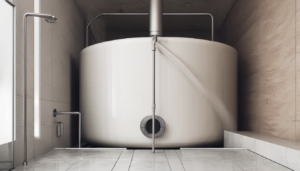



Water Tank Cleaning Frequency Guidelines for Kuwait Homes in Dubai’s unique climate begin with understanding that stagnant water in high temperatures creates ideal conditions for microbial growth. The standard recommendation for residential properties calls for professional water tank cleaning at least annually, though several factors may necessitate more frequent service intervals. These Water Tank Cleaning Frequency Guidelines for Kuwait Homes are shaped by Dubai Municipality’s potable water safety standards and years of field experience across UAE residences.
Official Water Tank Cleaning Frequency Guidelines for Kuwait Homes Standards
Dubai Municipality establishes clear Water Tank Cleaning Frequency Guidelines for Kuwait Homes that mandate annual cleaning for all residential water storage systems. These regulations stem from extensive research into biofilm formation rates in the region’s climate. The guidelines specify that underground concrete tanks require more vigilant monitoring than overhead GRP tanks due to their susceptibility to sediment accumulation and temperature fluctuations.
Professional water tank cleaning services follow documented protocols that exceed basic compliance. The process involves complete drainage, manual scrubbing of interior surfaces, high-pressure washing, and approved disinfection methods. Post-cleaning water testing provides verification that the Water Tank Cleaning Frequency Guidelines for Kuwait Homes have been properly implemented and the water quality meets potable standards.
Municipality Compliance Requirements
Property owners should maintain service records demonstrating adherence to Water Tank Cleaning Frequency Guidelines for Kuwait Homes. Dubai Municipality inspectors may request documentation during routine building audits. These records typically include pre-cleaning inspection reports, cleaning methodology details, and post-service water quality verification.
Factors Influencing Water Tank Cleaning Frequency Guidelines for Kuwait Homes
Several variables affect how frequently your home requires professional tank cleaning beyond the baseline annual recommendation. Household size directly impacts water turnover rates—larger families with higher consumption may extend the interval between cleanings, while smaller households with slower water turnover often require more frequent service.
Tank material significantly influences these Water Tank Cleaning Frequency Guidelines for Kuwait Homes. Concrete tanks tend to develop biofilm more rapidly than fibreglass or plastic tanks due to their porous surface texture. Older tanks with visible interior wear or sediment accumulation often need semi-annual cleaning to maintain water quality standards.
Climate Impact on Cleaning Schedules
Dubai’s high temperatures accelerate bacterial growth in stored water, making climate control an essential factor in Water Tank Cleaning Frequency Guidelines for Kuwait Homes. Summer months particularly stress water storage systems, with increased microbial activity requiring more vigilant monitoring and potentially adjusted cleaning schedules.
Water Tank Cleaning Frequency Guidelines for Kuwait Homes – Signs You Need Immediate Water Tank Cleaning
Certain indicators suggest your tank requires attention before the scheduled annual service. Visible sediment in tap water, unusual odours, or discoloration all signal that current Water Tank Cleaning Frequency Guidelines for Kuwait Homes haven’t been adequately maintained. These symptoms often indicate biofilm disruption or sediment disturbance within the tank.
Changes in water taste or pressure may also suggest cleaning is overdue. Metallic tastes frequently correlate with corrosion issues, while reduced pressure can indicate sediment buildup in pipelines. Professional assessment can determine whether these issues stem from the tank itself or require broader system evaluation.
Professional Water Tank Cleaning Process
Certified technicians follow meticulous procedures when implementing Water Tank Cleaning Frequency Guidelines for Kuwait Homes. The process begins with comprehensive inspection and water testing to establish baseline conditions. Technicians then implement controlled drainage, ensuring no cross-contamination occurs during the cleaning process.
Interior cleaning involves manual removal of sediment and biofilms using approved tools and cleaning agents. High-pressure washing follows, with particular attention to corners and seams where contaminants accumulate. The final disinfection stage uses Dubai Municipality-approved chemicals at precisely calculated concentrations to ensure complete microbial control.
Post-Cleaning Verification
After implementing Water Tank Cleaning Frequency Guidelines for Kuwait Homes, professionals conduct thorough rinsing and refilling followed by water quality testing. This verification step ensures chlorine levels are within safe limits and microbiological parameters meet potable water standards. Homeowners receive detailed documentation of the process and results.
DIY Maintenance Between Professional Cleanings
While professional service remains essential for comprehensive implementation of Water Tank Cleaning Frequency Guidelines for Kuwait Homes, homeowners can perform basic maintenance between scheduled cleanings. Regular visual inspection of water clarity and monitoring for odour changes helps identify issues early. Ensuring tank lids remain properly sealed prevents external contamination.
Monitoring water consumption patterns also supports proper implementation of Water Tank Cleaning Frequency Guidelines for Kuwait Homes. Sudden changes in usage might indicate leaks or other system issues requiring professional attention. Keeping accurate records of cleaning dates and any water quality concerns helps technicians provide more targeted service.
Cost Considerations for Regular Maintenance
Implementing proper Water Tank Cleaning Frequency Guidelines for Kuwait Homes involves investment in professional service, though this cost pales compared to addressing water-borne illnesses or system damage from neglect. Tank size, accessibility, and condition all influence service pricing, with underground tanks typically requiring more extensive equipment and time.
Many service providers offer maintenance contracts that provide priority scheduling and discounted rates for customers adhering to recommended Water Tank Cleaning Frequency Guidelines for Kuwait Homes. These arrangements often include additional benefits like emergency service access and detailed record-keeping for compliance purposes.
Health Implications of Proper Cleaning Frequency
Adhering to appropriate Water Tank Cleaning Frequency Guidelines for Kuwait Homes directly impacts household health. Regular cleaning prevents pathogen accumulation that can cause gastrointestinal issues, skin irritation, and other health concerns. Children, elderly residents, and immunocompromised individuals particularly benefit from properly maintained water systems.
Professional implementation of Water Tank Cleaning Frequency Guidelines for Kuwait Homes also addresses Legionella prevention, a particular concern in warm climates with stored water systems. Proper disinfection and regular maintenance create conditions hostile to Legionella growth, protecting households from this potentially serious respiratory threat.
Expert Tips for Maintaining Water Tank Hygiene
Beyond following basic Water Tank Cleaning Frequency Guidelines for Kuwait Homes, several practices enhance long-term water quality. Install mesh screens on overflow pipes to prevent insect entry while maintaining proper ventilation. Consider installing water monitoring systems that track usage patterns and alert you to unusual changes that might indicate problems.
Schedule cleaning during moderate temperature months when bacterial growth rates are lower. Maintain a logbook tracking all maintenance activities, water test results, and any observed changes in water quality. This documentation helps refine your specific Water Tank Cleaning Frequency Guidelines for Kuwait Homes based on actual household conditions.
Frequently Asked Questions
How often should water tanks be cleaned in Dubai homes?
Water Tank Cleaning Frequency Guidelines for Kuwait Homes specify annual professional cleaning as minimum requirement. Many households benefit from semi-annual service depending on tank type, water usage patterns, and specific water quality considerations observed during professional assessment.
What factors determine cleaning frequency for water tanks?
Tank material, household size, water consumption rates, and historical water quality results all influence Water Tank Cleaning Frequency Guidelines for Kuwait Homes. Concrete tanks and smaller households typically require more frequent cleaning than plastic tanks with high water turnover.
Can I clean my water tank myself instead of hiring professionals?
While basic maintenance between professional services is possible, comprehensive implementation of Water Tank Cleaning Frequency Guidelines for Kuwait Homes requires certified technicians with proper equipment and approved disinfectants. DIY cleaning often misses critical biofilm removal and disinfection steps.
What are the risks of not following cleaning guidelines?
Neglecting Water Tank Cleaning Frequency Guidelines for Kuwait Homes risks microbial contamination, sediment accumulation, and potential health issues including gastrointestinal problems and respiratory concerns from Legionella growth in poorly maintained systems.
How do I know if my tank needs cleaning before the scheduled date?
Visible sediment, unusual odours, water discoloration, or changes in taste indicate your tank may need attention before the next scheduled service. Professional assessment can determine whether these signs warrant accelerated Water Tank Cleaning Frequency Guidelines for Kuwait Homes.
Implementing proper Water Tank Cleaning Frequency Guidelines for Kuwait Homes ensures your household enjoys clean, safe water while protecting your storage system from damage and deterioration. Regular professional maintenance represents a small investment compared to the health and infrastructure benefits it provides. Consult with certified water hygiene specialists to develop a cleaning schedule tailored to your specific household needs and water usage patterns.