




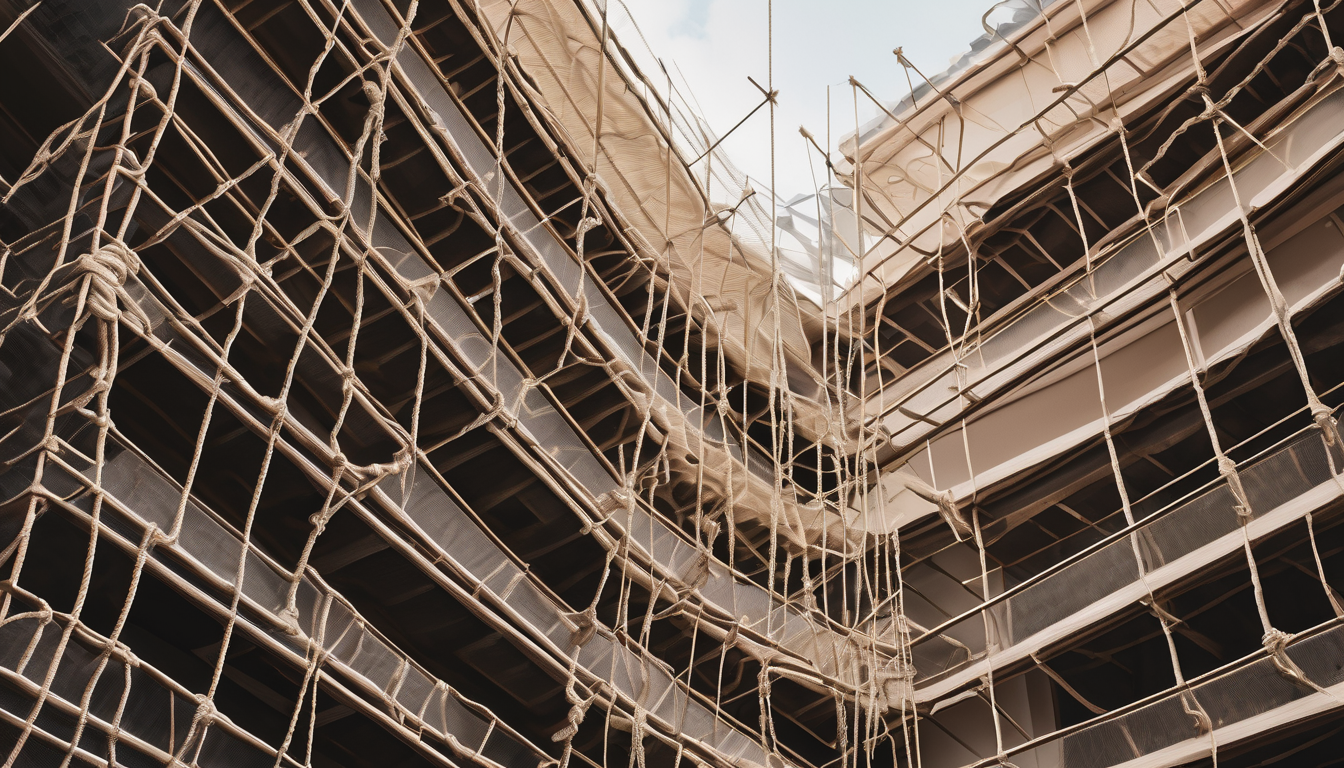

Understanding Rope Access vs Traditional Scaffolding Cleaning Methods is essential. When maintaining Dubai’s iconic high-rise structures, the choice between rope access and traditional scaffolding cleaning methods represents more than just a technical decision—it reflects a fundamental approach to building care in our challenging climate. The selection process involves careful consideration of building height, access complexity, project duration, and compliance with Dubai Municipality regulations. Both methods serve distinct purposes in the urban landscape, with rope access offering agility and scaffolding providing comprehensive platform access for complex facade work.
The Rope Access vs Traditional Scaffolding Cleaning Methods debate extends beyond mere technique to encompass safety protocols, operational efficiency, and environmental impact. Dubai’s unique combination of extreme heat, high humidity, and persistent dust accumulation creates specific challenges that influence which method proves most effective for different building types and maintenance requirements.
Rope Access vs Traditional Scaffolding Cleaning Methods – Understanding Rope Access Cleaning Methodology
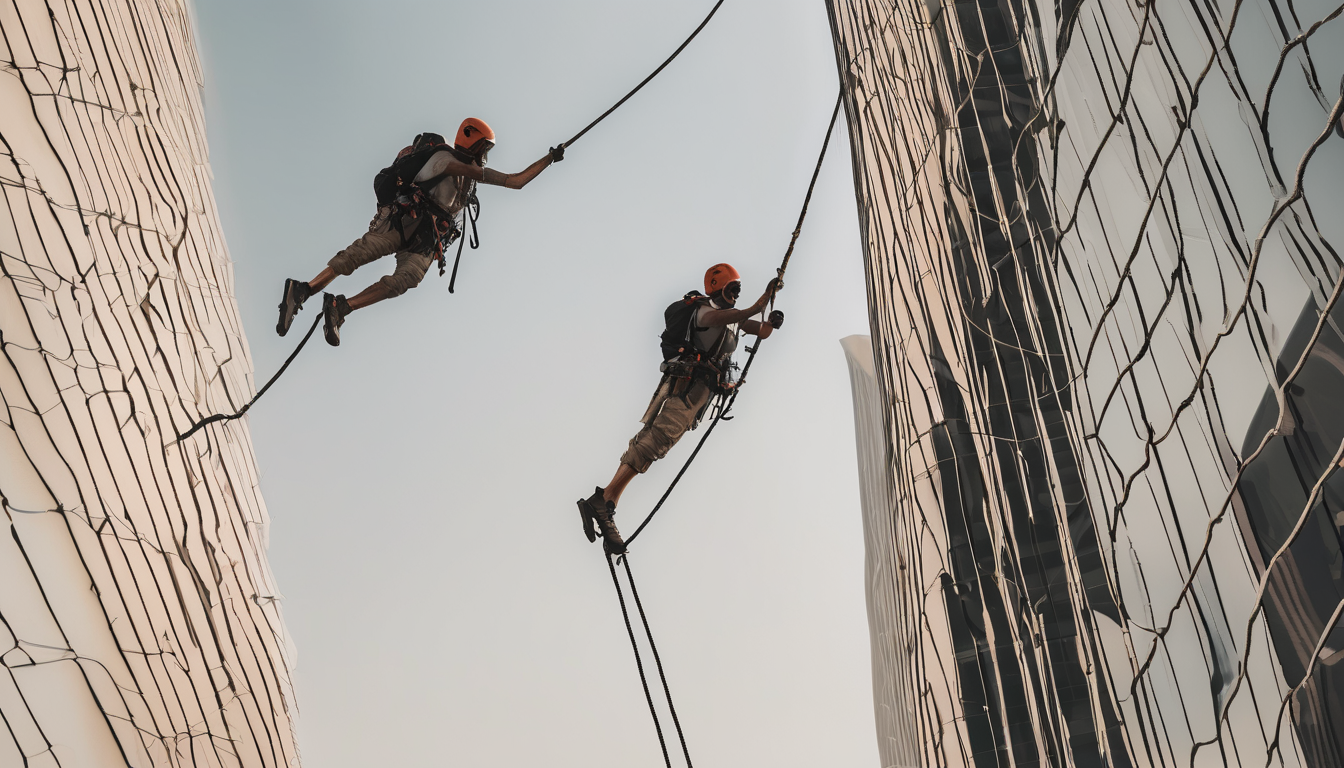
Rope Access Cleaning represents a sophisticated approach to high-rise maintenance that utilizes industrial rope techniques originally developed for offshore and mountain rescue operations. In Dubai’s context, this method involves certified technicians descending building facades using precisely engineered rope systems, harnesses, and specialized cleaning equipment. The technique requires IRATA (Industrial Rope Access Trade Association) or SPRAT (Society of Professional Rope Access Technicians) certification, ensuring technicians meet international safety standards.
The Rope Access vs Traditional Scaffolding Cleaning Methods comparison reveals that rope techniques excel in situations requiring rapid deployment and minimal disruption. For glass curtain walls and complex architectural features common in Dubai’s business districts, rope access provides precise control and access to difficult areas without the bulk of traditional scaffolding. The method proves particularly effective for spot cleaning, emergency repairs, and regular maintenance cycles where building occupancy cannot be disrupted.
Technical Components of Rope Systems
Professional rope access systems incorporate dual redundant safety systems, including primary and secondary ropes, descent controllers, and backup devices. Dubai’s extreme temperatures require specialized equipment rated for high heat conditions, with regular equipment inspections mandated by Dubai Civil Defence regulations. Technicians typically work in teams with safety supervisors monitoring operations from the ground or roof level.
Rope Access vs Traditional Scaffolding Cleaning Methods – Traditional Scaffolding Cleaning Approach
Traditional scaffolding cleaning methods involve erecting temporary structural frameworks that provide stable working platforms along building facades. In Dubai, scaffolding systems must comply with strict municipal regulations regarding structural integrity, wind loading calculations, and public safety measures. This approach remains essential for projects requiring extensive surface preparation, major repairs, or complex chemical cleaning processes that cannot be accomplished through rope access alone.
The Rope Access vs Traditional Scaffolding Cleaning Methods analysis shows scaffolding’s advantage in providing continuous working platforms for multiple technicians. This method allows for comprehensive surface inspection, detailed cleaning of intricate architectural elements, and the ability to handle heavy equipment directly at the work face. For heritage buildings in older Dubai districts or structures with complex ornamentation, scaffolding often represents the only practical approach for proper maintenance.
Scaffolding Types and Applications
Dubai construction standards recognize several scaffolding types, including tube and coupler systems, frame scaffolding, and modular systems. Each type serves specific purposes depending on building geometry, required load capacity, and project duration. The selection process involves engineering assessments, safety audits, and compliance with Dubai Municipality’s temporary structure regulations.
Rope Access vs Traditional Scaffolding Cleaning Methods – Cost Comparison Analysis
The financial aspects of Rope Access vs Traditional Scaffolding Cleaning Methods reveal significant differences in project economics. Rope access typically involves lower initial setup costs as it requires less equipment and shorter preparation time. However, scaffolding may prove more cost-effective for longer duration projects or buildings requiring extensive simultaneous work across multiple facades.
Dubai’s specific cost factors include heat-related work restrictions, traffic management requirements for sidewalk scaffolding, and the premium for certified rope access technicians. Building height dramatically influences cost structures—scaffolding becomes progressively more expensive as height increases, while rope access costs remain relatively stable across different building heights.
| Cost Factor | Rope Access | Traditional Scaffolding |
|---|---|---|
| Setup Time | 2-4 hours | 3-7 days |
| Equipment Requirements | Portable systems | Extensive structural components |
| Labour Intensity | Specialized technicians | Multiple crew types |
| Project Duration Impact | Daily rates | Weekly/monthly rates |
Safety Considerations in Dubai Context
Safety protocols differ significantly between Rope Access vs Traditional Scaffolding Cleaning Methods. Rope access operations require continuous risk assessment, weather monitoring, and strict adherence to fall protection standards. Dubai’s high winds and sudden sandstorms present particular challenges for rope techniques, necessitating sophisticated weather monitoring systems and emergency evacuation plans.
Scaffolding safety focuses on structural integrity, load management, and public protection measures. Dubai regulations mandate regular engineering inspections, load testing, and perimeter protection for pedestrian safety. Both methods require comprehensive insurance coverage, though scaffolding typically involves higher premium structures due to greater public liability exposure.
Operational Efficiency Comparison
The Rope Access vs Traditional Scaffolding Cleaning Methods efficiency analysis reveals contrasting operational profiles. Rope access offers rapid deployment capabilities, making it ideal for buildings requiring minimal disruption to tenants or operations. The method excels in situations where access complexity would make scaffolding impractical or prohibitively expensive.
Scaffolding provides superior working conditions for extended projects, allowing technicians to work comfortably with all necessary equipment readily available. This method supports higher productivity for complex cleaning tasks, surface preparation work, and quality control processes that require close inspection of finished surfaces.
Environmental Impact Assessment
Environmental considerations play an increasingly important role in the Rope Access vs Traditional Scaffolding Cleaning Methods decision process. Rope access generates minimal waste, requires less energy for equipment transport, and creates smaller carbon footprints due to reduced material requirements. The method aligns well with Dubai’s sustainability initiatives and green building certification requirements.
Scaffolding involves greater material usage, transportation requirements, and site disturbance. However, modern modular scaffolding systems designed for reuse and recycling have significantly improved the environmental profile of traditional methods. The selection process often includes sustainability metrics alongside technical and financial considerations.
Regulatory Compliance Requirements
Dubai’s regulatory framework influences both Rope Access vs Traditional Scaffolding Cleaning Methods implementation. Rope access operations require specific certifications from Dubai Civil Defence, including technician qualifications, equipment certifications, and method statements approved by relevant authorities. Projects typically need permits from building management and traffic authorities if operations affect public areas.
Scaffolding projects involve more extensive regulatory requirements, including structural engineering certifications, public liability insurance specifications, and compliance with Dubai Municipality’s temporary structures code. The approval process often involves multiple government entities and longer lead times for permit acquisition.
Project Specific Recommendations
The optimal choice between Rope Access vs Traditional Scaffolding Cleaning Methods depends on specific project characteristics. Rope access proves most effective for buildings under 30 stories, projects requiring rapid completion, and situations with limited site access. The method excels for glass cleaning, minor repairs, and regular maintenance cycles.
Scaffolding remains essential for major restoration projects, heritage building maintenance, and facades requiring extensive surface preparation. Buildings with complex architectural features, heavy material requirements, or extended project timelines typically benefit from traditional scaffolding approaches.
Frequently Asked Questions
How does Dubai’s climate affect rope access cleaning?
Dubai’s extreme summer temperatures require special scheduling considerations, with early morning operations and frequent hydration breaks. High winds can suspend rope access work, while dust accumulation necessitates more frequent cleaning cycles compared to milder climates.
What safety certifications are required for scaffolding in Dubai?
Scaffolding erectors must hold Dubai Civil Defence certifications, while engineering oversight requires approved structural engineer registration. All scaffolding components need certification compliance from Dubai Municipality’s approved testing laboratories.
Can both methods be combined on a single project?
Many Dubai high-rise projects utilize hybrid approaches, with scaffolding for lower levels and rope access for upper sections. This combination maximizes efficiency while maintaining safety standards throughout the building height.
How often should high-rise buildings in Dubai undergo facade cleaning?
Most Dubai buildings require annual cleaning cycles due to dust accumulation and heat-related degradation. However, specific frequency depends on building location, facade materials, and environmental exposure conditions.
What insurance requirements differ between the two methods?
Rope access requires specialized high-angle rescue coverage, while scaffolding demands higher public liability limits due to greater exposure risks. Both methods require comprehensive worker compensation coverage meeting UAE regulations.
Professional Assessment Considerations
Selecting between Rope Access vs Traditional Scaffolding Cleaning Methods requires professional evaluation of multiple factors. Building height, architectural complexity, project duration, budget constraints, and tenant considerations all influence the optimal approach. Dubai’s specific regulatory environment adds additional layers of complexity to the decision-making process.
Engaging certified professionals for preliminary assessment ensures compliance with local regulations while optimizing project outcomes. The assessment process typically includes site evaluation, risk analysis, and detailed method statements aligned with Dubai’s construction and maintenance standards. Understanding Rope Access vs Traditional Scaffolding Cleaning Methods is key to success in this area.