




Commercial Building Water Tank Regulations Dubai form a critical framework for maintaining potable water safety across the emirate’s commercial properties. These regulations, enforced by Dubai Municipality, mandate specific cleaning frequencies, disinfection protocols, and documentation requirements to prevent waterborne contamination. The climate conditions in Dubai—characterised by high temperatures and dust accumulation—create unique challenges for water storage systems, making regulatory compliance essential for public health protection.
Property managers and facility management companies operating commercial buildings in Dubai must adhere to a comprehensive set of water tank hygiene guidelines. These standards cover everything from tank construction materials and access points to cleaning procedures and water quality testing. Understanding Commercial Building Water Tank Regulations Dubai helps ensure compliance, avoid substantial penalties, and maintain the health and safety of building occupants.
The regulatory framework evolves annually, with 2025 introducing updated documentation requirements and stricter enforcement protocols. Commercial properties including office towers, shopping malls, hotels, and industrial facilities must implement robust water tank management systems that align with Dubai Municipality expectations. This guide provides detailed insights into the current Commercial Building Water Tank Regulations Dubai and practical implementation strategies.
Commercial Building Water Tank Regulations Dubai – Dubai Municipality Water Tank Compliance Framework
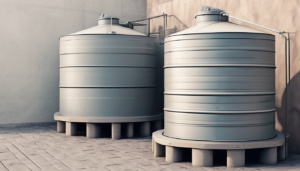
Dubai Municipality establishes the foundational requirements for Commercial Building Water Tank Regulations Dubai through its Public Health and Safety Department. The compliance framework encompasses technical specifications, operational protocols, and documentation standards. Commercial properties must maintain water tanks constructed from approved materials—typically food-grade stainless steel, polyethylene, or DM-approved fibreglass—with secure, lockable access points that prevent contamination.
The regulatory framework specifies minimum cleaning frequencies based on tank usage patterns and building occupancy levels. High-occupancy commercial buildings typically require more frequent cleaning cycles than low-usage facilities. Dubai Municipality inspectors conduct random checks and respond to complaints, examining both physical tank conditions and maintenance records. Compliance documentation must include cleaning certificates, disinfection reports, and water test results where applicable.
Key Regulatory Documents
Commercial property managers should maintain three essential documents: the tank cleaning certificate issued by a DM-approved service provider, the disinfection report detailing chemicals used and concentrations applied, and a tank inspection report noting structural integrity. These documents must be available for municipal inspection upon request and typically require renewal annually or biannually depending on building type.
Commercial Building Water Tank Regulations Dubai – Commercial Building Water Tank Cleaning Frequency Requiremen
Commercial Building Water Tank Regulations Dubai specify cleaning frequencies based on building classification and water usage patterns. Standard commercial buildings including offices and retail spaces require annual cleaning minimum, while high-usage facilities such as hotels, hospitals, and food service establishments often require quarterly or biannual cleaning. The determination considers factors like water turnover rate, number of occupants, and historical water quality issues.
Dubai Municipality guidelines indicate that buildings with centralised cooling systems or high water consumption may need increased cleaning frequency. Facilities storing water for extended periods—common in some commercial settings—require more frequent attention due to stagnation risks. Property managers should consult with DM-approved service providers to establish appropriate cleaning schedules that meet both regulatory requirements and operational realities.
Commercial Building Water Tank Regulations Dubai – DM Approved Water Tank Disinfection Chemicals and Protocols
Commercial Building Water Tank Regulations Dubai explicitly approve specific disinfectants for potable water treatment. Approved chemicals typically include chlorine-based compounds at controlled concentrations—usually sodium hypochlorite solutions calibrated to achieve 0.2-0.5 ppm residual chlorine after treatment. The municipality prohibits harsh chemicals that might damage tank linings or leave harmful residues in drinking water.
Disinfection protocols require thorough cleaning before chemical application, ensuring all sediment and biofilm removal. Service providers must measure and record chlorine levels before, during, and after the disinfection process. The final rinse water must meet potable water standards, with neutral pH and acceptable chlorine residuals. Commercial properties must retain disinfection reports that document chemical quantities, application methods, and post-treatment water parameters.
Water Tank Inspection and Documentation Requirements
Commercial Building Water Tank Regulations Dubai mandate comprehensive inspection protocols covering structural integrity, cleanliness, and accessory equipment. Inspections must assess tank interiors for cracks, corrosion, or biofilm accumulation; examine covers and vents for proper sealing; and check overflow pipes and ball valves for functionality. Dubai Municipality requires documentation of these inspections through standardised reporting formats.
Commercial properties must maintain a water tank maintenance log recording all cleaning, disinfection, and inspection activities. This log should include dates, service provider details, observations, and corrective actions taken. During municipal inspections, facility managers must produce this documentation alongside service certificates and water test reports. Digital record-keeping systems are acceptable provided they can generate physical copies when requested by authorities.
Penalties for Non-Compliance with Water Tank Regulations
Commercial Building Water Tank Regulations Dubai establish significant penalties for non-compliant properties. Violations may incur fines ranging from AED 2,000 for minor documentation issues to AED 20,000 or more for serious health violations. Repeated non-compliance can result in business closure orders until rectification occurs. Dubai Municipality inspectors issue violation notices specifying corrective timelines—typically 7 to 14 days for most infractions.
Penalties apply to various compliance failures including missed cleaning cycles, use of unapproved disinfectants, inadequate documentation, and structural tank deficiencies. Commercial properties receiving violation notices must engage DM-approved service providers to rectify issues and obtain recertification. Serious violations involving water contamination or health hazards may trigger additional legal proceedings beyond standard administrative penalties.
Implementing Compliance Management Systems
Effective management of Commercial Building Water Tank Regulations Dubai requires systematic approaches incorporating scheduling, documentation, and quality control. Commercial properties should implement digital reminder systems for cleaning schedules, maintain organised record-keeping protocols, and establish relationships with reliable DM-approved service providers. Many facility management companies utilise specialised software to track compliance requirements across multiple properties.
Regular internal audits help ensure ongoing compliance between municipal inspections. These audits should verify documentation completeness, check tank conditions visually where possible, and confirm service provider credentials. Commercial properties with multiple water tanks—common in large buildings—require coordinated management systems to ensure all tanks receive appropriate attention according to their usage patterns and risk profiles.
Expert Tips for Commercial Water Tank Compliance
Property managers should schedule cleaning during low-occupancy periods to minimise disruption while ensuring thorough service. Maintain relationships with multiple DM-approved providers to ensure service availability when needed. Implement visual inspection protocols between professional cleanings—checking for sediment accumulation, unusual odours, or visible contamination.
Document everything including service reports, chemical usage records, and communication with service providers. Train maintenance staff to recognise potential water quality issues and report them immediately. Consider installing additional filtration systems for critical water uses while maintaining tank hygiene as the primary defence. Develop emergency response plans for suspected contamination incidents including alternative water arrangements and professional assessment protocols.
Frequently Asked Questions
How often must commercial building water tanks be cleaned in Dubai?
Commercial Building Water Tank Regulations Dubai require minimum annual cleaning for most commercial properties. High-usage facilities including hotels, hospitals, and food service establishments often require quarterly or biannual cleaning. The exact frequency depends on water consumption patterns, number of occupants, and specific municipal guidelines for each building type.
What documentation is required for commercial water tank compliance?
Commercial properties must maintain cleaning certificates from DM-approved service providers, disinfection reports detailing chemicals used, tank inspection reports noting structural conditions, and maintenance logs recording all water tank activities. These documents must be available for municipal inspection and typically require updating after each service cycle.
Can commercial buildings perform water tank cleaning in-house?
Dubai Municipality requires water tank cleaning and disinfection to be performed by approved service providers with specific certifications and equipment. Commercial building staff may perform visual inspections and basic maintenance between professional services, but comprehensive cleaning and disinfection must follow approved protocols by licensed professionals.
What are the penalties for non-compliance with water tank regulations?
Penalties for violating Commercial Building Water Tank Regulations Dubai range from AED 2,000 for documentation issues to AED 20,000 or more for serious health violations. Repeated non-compliance can result in business closure orders. Properties receive violation notices with corrective timelines—typically 7 to 14 days to rectify most issues.
How does Dubai Municipality enforce water tank regulations?
Dubai Municipality conducts random inspections, responds to consumer complaints, and reviews documentation during routine building audits. Inspectors examine physical tank conditions, check maintenance records, and verify service provider credentials. Properties found non-compliant receive violation notices specifying required corrective actions and deadlines.
Conclusion
Commercial Building Water Tank Regulations Dubai represent a comprehensive framework designed to ensure potable water safety across the emirate’s commercial properties. Compliance requires understanding cleaning frequencies, approved disinfection protocols, documentation standards, and inspection requirements. Property managers who implement systematic compliance management systems—including scheduled professional services, thorough documentation, and regular internal audits—can maintain regulatory compliance while ensuring water safety for building occupants.
The evolving nature of these regulations, particularly with 2025 updates, necessitates ongoing attention to municipal guidelines and professional advice. Commercial properties that prioritise water tank hygiene not only avoid penalties but also contribute to public health protection across Dubai. Engaging with DM-approved service providers and maintaining meticulous records remains the most effective approach to meeting Commercial Building Water Tank Regulations Dubai requirements.