







Dubai Municipality Water Tank Hygiene Guidelines for 2025 represent the latest update to the emirate’s comprehensive framework for ensuring safe drinking water from storage systems. These guidelines apply to all residential, commercial, and industrial properties with water storage tanks, mandating specific cleaning frequencies, disinfection protocols, and documentation standards. The 2025 revisions reflect evolving best practices in water safety management and incorporate lessons from municipal inspections across Dubai’s diverse building portfolio.
The foundation of Dubai Municipality Water Tank Hygiene Guidelines for 2025 rests on preventing waterborne contaminants through systematic maintenance. Properties must adhere to these standards to maintain compliance with Dubai’s public health regulations and avoid potential penalties. The guidelines specifically address the challenges of Dubai’s climate, where high temperatures and dust conditions accelerate sediment accumulation and microbial growth in water storage systems.
Understanding Dubai Municipality Water Tank Hygiene Guidelines for 2025 requires familiarity with both the technical requirements and the administrative procedures involved. From cleaning methodology to water testing parameters and documentation standards, the guidelines provide a comprehensive framework for property owners, facility managers, and water tank cleaning professionals. This guide examines each component in detail to help stakeholders achieve and maintain compliance.
Dubai Municipality Water Tank Hygiene Guidelines for 2025 – Mandatory Cleaning Frequency Requirements
Dubai Municipality Water Tank Hygiene Guidelines for 2025 specify minimum cleaning frequencies based on tank type and usage patterns. Underground water tanks require cleaning every six months, while overhead tanks must be cleaned annually at minimum. Commercial establishments with high water usage, including hotels, hospitals, and restaurants, must clean their tanks quarterly according to the updated standards.
The guidelines emphasize that these are minimum requirements and that more frequent cleaning may be necessary based on water quality test results or visible contamination. Properties in areas with high sediment load or older buildings with deteriorating infrastructure often require additional cleaning cycles. Dubai Municipality inspectors may mandate increased frequency during routine inspections if they identify potential contamination risks.
Documentation of Cleaning Cycles
Each cleaning event must be documented with before-and-after photographs, service reports, and water test results. Dubai Municipality Water Tank Hygiene Guidelines for 2025 require maintaining these records for two years minimum, as inspectors may request them during compliance checks. The documentation must include technician details, cleaning methods used, disinfectant concentrations applied, and water quality parameters measured post-cleaning.
Dubai Municipality Water Tank Hygiene Guidelines for 2025 – Approved Cleaning and Disinfection Methods
Dubai Municipality Water Tank Hygiene Guidelines for 2025 specify exact protocols for tank cleaning and disinfection. The process must begin with complete drainage and isolation of the tank from the water supply system. Technicians must then enter the tank (following confined space safety protocols) to remove all sediment, biofilm, and debris using approved cleaning tools and non-abrasive methods.
Disinfection must be performed using Dubai Municipality-approved chemicals at precisely measured concentrations. Sodium hypochlorite solutions at concentrations between 50-100 ppm are typically required for effective disinfection according to Dubai Municipality Water Tank Hygiene Guidelines for 2025. The disinfectant must remain in contact with all tank surfaces for a minimum contact time before thorough rinsing with potable water.
Mechanical Cleaning Requirements
For larger tanks, mechanical cleaning using pressure washers with water temperatures exceeding 60°C may be required to remove stubborn biofilm. Dubai Municipality Water Tank Hygiene Guidelines for 2025 specify that pressure washing equipment must be properly maintained to prevent cross-contamination between sites. All cleaning equipment must be sanitized before and after each use to maintain hygiene standards.
Dubai Municipality Water Tank Hygiene Guidelines for 2025 – Water Quality Testing Parameters
Dubai Municipality Water Tank Hygiene Guidelines for 2025 establish specific water quality parameters that must be tested after each cleaning. These include microbiological tests for total coliform and E. coli, physical parameters for turbidity and color, and chemical parameters for residual chlorine and pH levels. Water samples must be collected according to standardized protocols and tested at accredited laboratories.
The guidelines specify acceptable ranges for each parameter, with corrective actions required for any results outside these ranges. Residual chlorine must measure between 0.2-0.5 ppm at the tap farthest from the tank, indicating effective disinfection throughout the system. Turbidity must not exceed 1 NTU, and coliform bacteria must be completely absent from 100 ml samples.
Technical Specifications for Tank Maintenance
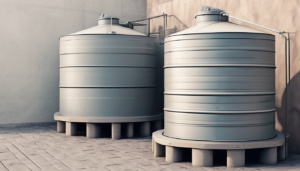
Dubai Municipality Water Tank Hygiene Guidelines for 2025 include detailed technical requirements for tank structure and maintenance. All water tanks must be constructed from approved materials (typically food-grade GRP or stainless steel) and must include proper lids, vents, and overflow prevention systems. The guidelines specify that tank interiors must remain free of cracks, corrosion, or surface damage that could harbor bacteria.
Ventilation systems must include insect-proof screens with mesh sizes not exceeding 1 mm to prevent contamination. Access hatches must seal properly and remain locked when not in use for maintenance. Dubai Municipality Water Tank Hygiene Guidelines for 2025 also require that overflow pipes terminate with a downward bend and insect screen to prevent backflow contamination.
Professional Certification Requirements
According to Dubai Municipality Water Tank Hygiene Guidelines for 2025, all Water Tank Cleaning must be performed by certified professionals with appropriate training. Technicians must complete municipality-approved training programs covering hygiene standards, safety protocols, and proper chemical handling. Companies offering cleaning services must maintain valid permits from Dubai Municipality’s Public Health Services Department.
The guidelines require that at least one supervisor on each cleaning team hold advanced certification in water safety management. Companies must maintain records of staff certifications and training refreshers conducted annually. Dubai Municipality conducts random audits of cleaning companies to ensure compliance with these personnel requirements.
Inspection and Compliance Procedures
Dubai Municipality Water Tank Hygiene Guidelines for 2025 establish clear procedures for municipal inspections and compliance verification. Inspectors may conduct scheduled or surprise inspections of any property to examine water tanks, review documentation, and collect water samples for independent testing. Properties must provide immediate access to all water storage areas and maintenance records upon request.
The guidelines outline a graduated compliance framework, beginning with warning notices for minor violations and progressing to financial penalties for repeated or serious non-compliance. In extreme cases where water quality poses immediate health risks, Dubai Municipality may order immediate tank closure and require comprehensive system remediation before permitting reuse.
Record-Keeping and Documentation Standards
Dubai Municipality Water Tank Hygiene Guidelines for 2025 mandate specific record-keeping requirements that must be maintained on-site. Property owners must keep a water tank maintenance logbook containing all cleaning records, inspection reports, water test results, and any corrective actions taken. The logbook must be available for inspection at all times and updated immediately after each maintenance activity.
Digital record-keeping is permitted under the guidelines, provided the system meets Dubai Municipality’s data integrity and accessibility requirements. Electronic records must include timestamped entries, digital photographs, and secure backup systems. Regardless of format, records must be maintained for minimum two years and include specific information outlined in the guidelines.
Emergency Response Protocols
Dubai Municipality Water Tank Hygiene Guidelines for 2025 include protocols for responding to water quality emergencies. If water testing indicates contamination or if residents report water-related health issues, property owners must immediately isolate the affected tank, notify Dubai Municipality, and arrange for emergency cleaning and disinfection. The guidelines specify timeframes for initial response and comprehensive remediation.
Emergency disinfection may require super-chlorination at concentrations up to 500 ppm followed by extended flushing and comprehensive water testing before returning the tank to service. All emergency actions must be documented in detail and reported to Dubai Municipality within 24 hours of discovery. The guidelines emphasize that prompt response to potential contamination is mandatory, not optional.
Penalties for Non-Compliance
Dubai Municipality Water Tank Hygiene Guidelines for 2025 establish a clear penalty structure for violations. Minor infractions such as incomplete documentation or delayed cleaning may result in warning notices and required corrective action within specified timeframes. Repeated minor violations or single instances of major violations such as contaminated water supply may incur financial penalties ranging from AED 2,000 to AED 20,000.
Serious violations that pose immediate public health risks may result in immediate closure of water tanks and potential legal action. The guidelines authorize Dubai Municipality to publish names of repeatedly non-compliant properties and to require third-party monitoring at the property owner’s expense. Penalties increase significantly for subsequent violations within a 12-month period.
Implementation Timeline and Transition Rules
Dubai Municipality Water Tank Hygiene Guidelines for 2025 include specific implementation timelines for different property types. Existing properties have a six-month transition period to achieve full compliance with the new standards, while new construction projects must comply immediately upon occupancy. The guidelines provide detailed checklists for assessing current compliance status and planning necessary upgrades.
Property owners must submit compliance plans to Dubai Municipality within three months of the guidelines taking effect. The municipality may grant extensions for complex remediation projects requiring structural modifications to tanks or plumbing systems. However, basic cleaning frequency and water testing requirements must be implemented immediately without exception.
Frequently Asked Questions
What is the penalty for not following Dubai Municipality Water Tank Hygiene Guidelines for 2025?
Penalties range from warning notices for minor violations to fines up to AED 20,000 for serious infractions. Repeated non-compliance may result in tank closure orders and legal action. The exact penalty depends on the violation severity and potential health impact.
How often must water tanks be cleaned under the new guidelines?
Underground tanks require cleaning every six months, overhead tanks annually, and commercial establishments quarterly. More frequent cleaning may be necessary based on water test results or specific property conditions identified during municipal inspections.
Who can perform water tank cleaning according to Dubai Municipality guidelines?
Only Dubai Municipality-approved cleaning companies with certified technicians may perform tank cleaning. Technicians must complete approved training programs, and companies must maintain valid permits from the Public Health Services Department to ensure compliance.
What water quality tests are required after cleaning?
Testing must include microbiological analysis for coliform and E. coli, physical parameters for turbidity and color, and chemical measurements for residual chlorine and pH levels. Samples must be analyzed at accredited laboratories following standardized collection protocols.
Are there different rules for residential versus commercial properties?
While the core requirements remain consistent, commercial properties face stricter standards including quarterly cleaning mandates and more comprehensive documentation requirements. High-risk establishments like hospitals and restaurants may require additional water safety measures.
How should records be maintained to prove compliance?
Properties must maintain detailed logbooks containing cleaning reports, water test results, inspection findings, and corrective actions. Records must be kept for minimum two years and available for municipal inspection at any time, either in physical or approved digital format.
What should I do if my water tests show contamination?
Immediately isolate the affected tank, notify Dubai Municipality within 24 hours, and arrange emergency cleaning and disinfection. Conduct comprehensive water testing before returning the tank to service and implement any corrective measures required by municipal inspectors.
The Dubai Municipality Water Tank Hygiene Guidelines for 2025 represent a comprehensive framework for ensuring water safety across Dubai’s diverse building landscape. By establishing clear technical standards, documentation requirements, and compliance procedures, the guidelines provide property owners and facility managers with a structured approach to water tank maintenance. Regular professional cleaning, systematic water testing, and meticulous record-keeping form the foundation of compliance with these updated regulations.
Implementation of Dubai Municipality Water Tank Hygiene Guidelines for 2025 requires coordination between property owners, facility management teams, and approved cleaning professionals. The guidelines emphasize prevention through regular maintenance while providing clear protocols for addressing contamination incidents when they occur. This balanced approach protects public health while enabling efficient property management across residential and commercial sectors.
As Dubai continues to grow and evolve, maintaining high standards for water safety remains a municipal priority. The 2025 guidelines build upon previous frameworks while incorporating updated best practices and technological advancements in water treatment and monitoring. Property owners who embrace these standards contribute to broader public health objectives while ensuring their own compliance with Dubai’s regulatory environment. Understanding Dubai Municipality Water Tank Hygiene Guidelines for 2025 is key to success in this area.