





Water Heater Installation Dubai Municipality Regulations encompass the comprehensive set of technical standards, safety protocols, and compliance requirements mandated by Dubai’s governing authority for all water heating systems installed within the emirate. These regulations exist to ensure occupant safety, prevent electrical and structural hazards, maintain building integrity, and promote energy efficiency in Dubai’s unique climatic conditions. Property owners, facility managers, and certified technicians must adhere to these standards for both electric and gas water heater installations to avoid violations, ensure insurance coverage, and protect property value.
The foundation of Water Heater Installation Dubai Municipality Regulations stems from the Dubai Building Code and complementary municipal decrees that address specific mechanical, electrical, and plumbing (MEP) installations. These are not mere guidelines but enforceable standards that form part of the broader property compliance framework in Dubai. Understanding these requirements is essential for anyone managing residential villas, apartment buildings, commercial properties, or hospitality venues where hot water systems are critical to daily operations.
Core Components of Water Heater Installation Dubai Municipality Regulations
Water Heater Installation Dubai Municipality Regulations specify several critical components that must be addressed during any installation. The regulations mandate proper sizing of water heating equipment based on occupancy and usage patterns, requiring calculations that consider Dubai’s specific water hardness and temperature requirements. Installation must include appropriate pressure relief valves, temperature controls, and expansion tanks to prevent system overpressure, which is a common issue in closed water systems.
The regulations explicitly require corrosion-resistant materials for all piping and connections, particularly important given Dubai’s water composition and high mineral content. All electrical connections must comply with DEWA standards and include proper grounding, circuit protection, and waterproof enclosures for outdoor installations. For gas water heaters, additional ventilation requirements, gas leak detection systems, and flue specifications apply to prevent carbon monoxide hazards.
Water Heater Installation Dubai Municipality Regulations – Electrical Safety Standards Under Dubai Municipality Regulat
Water Heater Installation Dubai Municipality Regulations incorporate stringent electrical safety measures that align with DEWA’s distribution standards. All electrical water heaters must be connected through dedicated circuits with appropriate amperage ratings and protection devices. The regulations specify minimum wire gauges, conduit requirements, and mandatory earth leakage protection (ELCB/RCD) to prevent electrocution risks, particularly in bathrooms and wet areas where water heaters are commonly installed.
Installation technicians must verify proper earthing continuity and insulation resistance values as per Dubai Municipality’s prescribed testing protocols. The regulations prohibit extension cords or temporary connections for water heater power supply, requiring permanent wiring installed by certified electricians. For larger commercial systems, additional requirements include phase balancing, power factor correction, and remote emergency shut-off switches accessible to building operators.
DEWA Compliance and Connection Requirements
Water heater installations must comply with DEWA’s metering and connection policies, particularly for high-capacity systems that may require separate metering or load management considerations. The regulations specify maximum allowable power consumption densities for different building types and require energy efficiency certifications for all installed equipment.
Water Heater Installation Dubai Municipality Regulations – Structural and Installation Requirements for Water Heaters
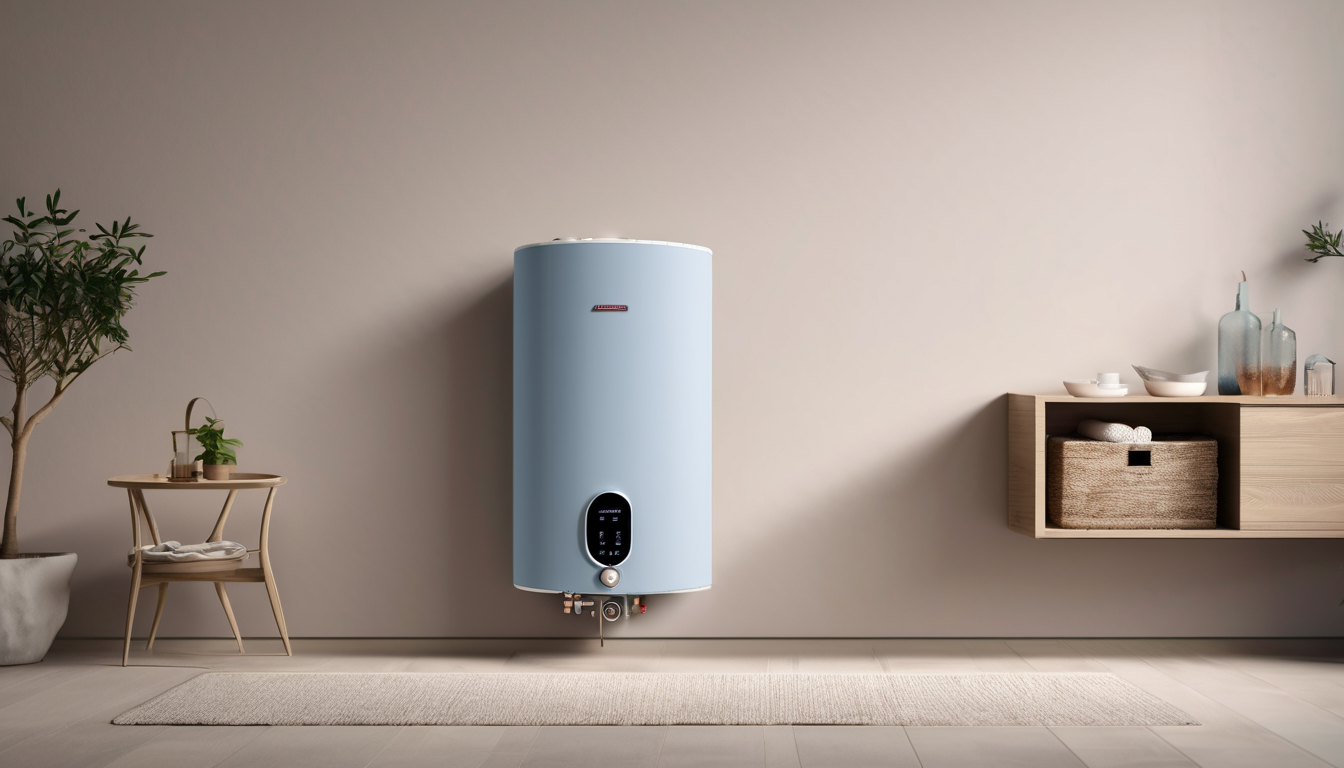
Water Heater Installation Dubai Municipality Regulations address the physical installation aspects that ensure long-term safety and performance. The standards specify minimum structural support requirements for wall-mounted and ceiling-suspended water heaters, including anchor types, load distribution, and vibration damping for seismic stability. For rooftop installations, particularly common in Dubai villas and low-rise buildings, regulations mandate weather protection, access pathways, and fall protection for maintenance personnel.
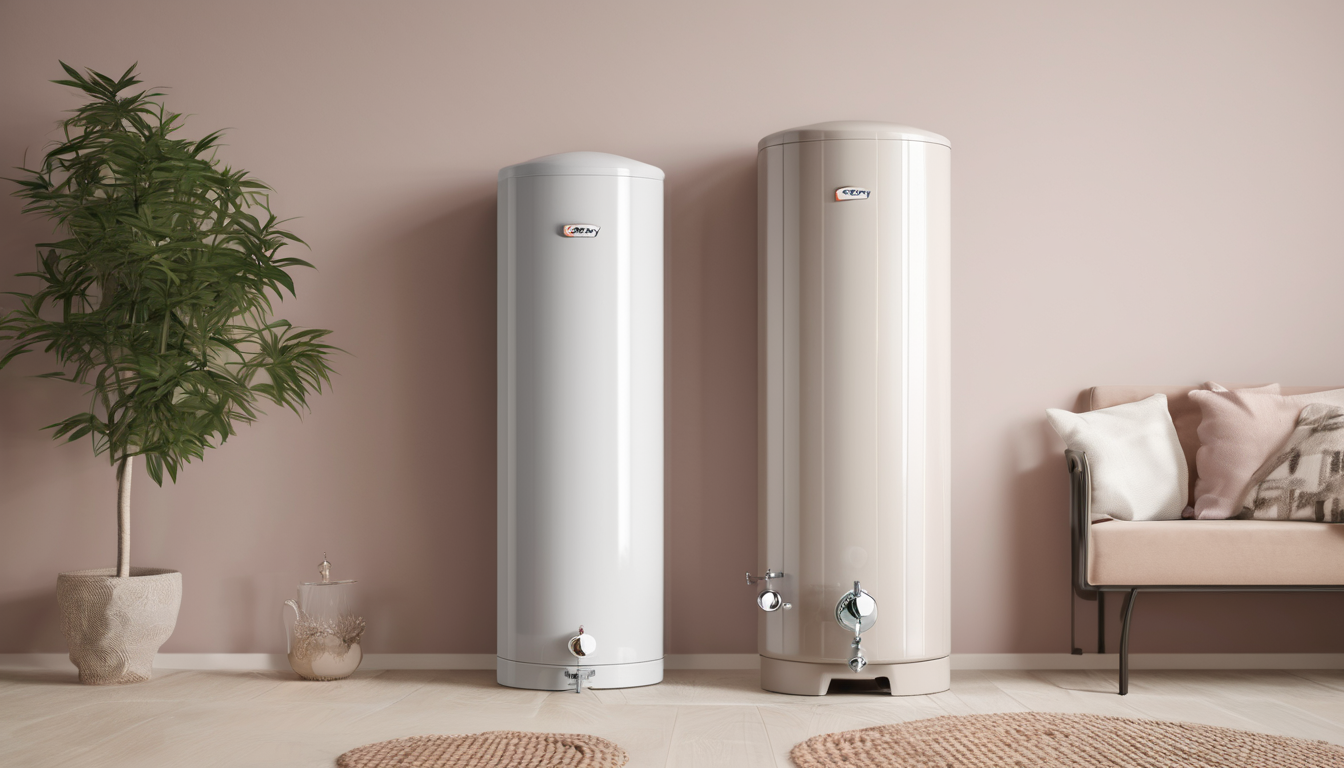
The regulations require adequate space around water heaters for proper ventilation, maintenance access, and component replacement. Clearance distances from combustible materials, electrical panels, and escape routes are specifically defined to prevent fire hazards. Installation technicians must verify that wall structures can support the weight of filled water heaters, particularly for larger storage tanks that may exceed 200 kilograms when operational.
Ventilation and Combustion Air Requirements
For gas-fired water heaters, Water Heater Installation Dubai Municipality Regulations include comprehensive ventilation standards to ensure complete combustion and prevent dangerous fume accumulation. The regulations specify minimum vent pipe diameters, materials, and termination points away from windows and air intakes. Mechanical ventilation requirements apply to enclosed water heater rooms, with specifications for fan capacity, activation controls, and maintenance access.
Combustion air requirements ensure adequate oxygen supply for efficient gas operation while preventing negative pressure situations that could cause flue gas spillage. The regulations address both natural draft and power-vented systems, with specific testing protocols to verify proper draft establishment and carbon monoxide levels after installation. Technicians must conduct combustion analysis and draft testing as part of the compliance verification process.
Water Quality and System Protection Measures
Water Heater Installation Dubai Municipality Regulations acknowledge Dubai’s specific water quality challenges and include requirements for system protection. The standards mandate installation of appropriate scale prevention devices, particularly for electric heating elements susceptible to mineral buildup. Anode rod requirements for storage tanks address corrosion protection in water with high total dissolved solids (TDS) levels typical in Dubai’s water supply.
Temperature and pressure relief valves must be sized according to heater capacity and installed with discharge piping directed to safe locations. The regulations specify maximum allowable water temperature settings to prevent scalding hazards while maintaining legionella prevention temperatures in storage systems. Backflow prevention devices are required where cross-connection risks exist between potable water and heating systems.
Inspection and Compliance Verification Process
Water Heater Installation Dubai Municipality Regulations establish a formal inspection and approval process for significant installations or modifications. Certified installation companies must submit technical drawings, equipment specifications, and installation methodologies for municipal review before commencing work on commercial projects or multi-unit residential buildings. Post-installation, inspectors verify compliance with all regulatory aspects through visual inspection, operational testing, and documentation review.
The compliance process includes verification of installer certifications, equipment approval marks, and proper documentation of all safety devices and controls. For ongoing compliance, property owners must maintain records of installation certificates, maintenance activities, and any modifications to the water heating system. Regular inspections may be required as part of building licensing renewals or following tenant changes in commercial properties.
Professional Certification and Installer Requirements
Water Heater Installation Dubai Municipality Regulations specify qualification requirements for technicians and companies performing installation work. Installers must hold appropriate trade licenses and technical certifications specific to water heater systems. Companies must maintain Dubai Municipality approval for plumbing and mechanical works, with demonstrated expertise in both electrical and gas-fired system installations.
The regulations require continuous training on updated standards and technological changes in water heating equipment. Insurance requirements protect property owners against installation defects or accidents, with minimum coverage levels specified for different project scales. Only approved contractors may obtain the necessary permits and completion certificates required for legal compliance and building management handover.
Expert Tips for Water Heater Installation Compliance
Engage Dubai Municipality-approved contractors who maintain current knowledge of regulatory updates and inspection requirements. Always obtain the necessary permits before commencing installation work, particularly for replacement projects that might involve system modifications. Document every aspect of the installation with photographs, test results, and compliance certificates for future reference during municipal inspections or property transactions.
Select water heating equipment that carries Emirates Quality Mark certification and appropriate international safety certifications. Consider Dubai’s water quality when specifying materials and protection systems to ensure long-term reliability. Maintain proper access around installed equipment for future maintenance and inspection activities as required by ongoing compliance obligations.
Frequently Asked Questions
What are the penalties for non-compliance with Water Heater Installation Dubai Municipality Regulations?
Non-compliance can result in fines, mandatory system replacement, building occupancy restrictions, or utility service disconnection. Property owners may face difficulties obtaining or renewing building licenses until violations are corrected through approved contractors.
How often should water heater installations be inspected for compliance?
While initial installation requires municipal inspection, ongoing compliance should be verified annually through professional maintenance checks. Significant changes to the system or building occupancy should trigger additional compliance verification.
Do Water Heater Installation Dubai Municipality Regulations apply to replacement projects?
Yes, replacement of existing water heaters must comply with current regulations, which may require upgrades to safety devices, ventilation, or electrical connections even if the previous installation was grandfathered under older standards.
Can I install a water heater myself in my Dubai villa?
DIY installation violates Dubai Municipality regulations, which require certified professionals for all water heater installations. Unauthorized work may void insurance coverage and create safety hazards that could lead to regulatory penalties.
Where can I find the complete Water Heater Installation Dubai Municipality Regulations?
The full regulations are available through Dubai Municipality’s official website and customer service centers. Approved contractors maintain current copies and can provide specific guidance relevant to your property type and installation requirements.
Water Heater Installation Dubai Municipality Regulations represent a comprehensive framework designed to ensure safety, reliability, and efficiency in one of the most critical building systems. Compliance protects property owners from preventable hazards while ensuring uninterrupted hot water supply in Dubai’s demanding climate. Engaging approved professionals who understand both the technical and regulatory aspects of water heater installation remains the most effective approach to meeting these important standards.