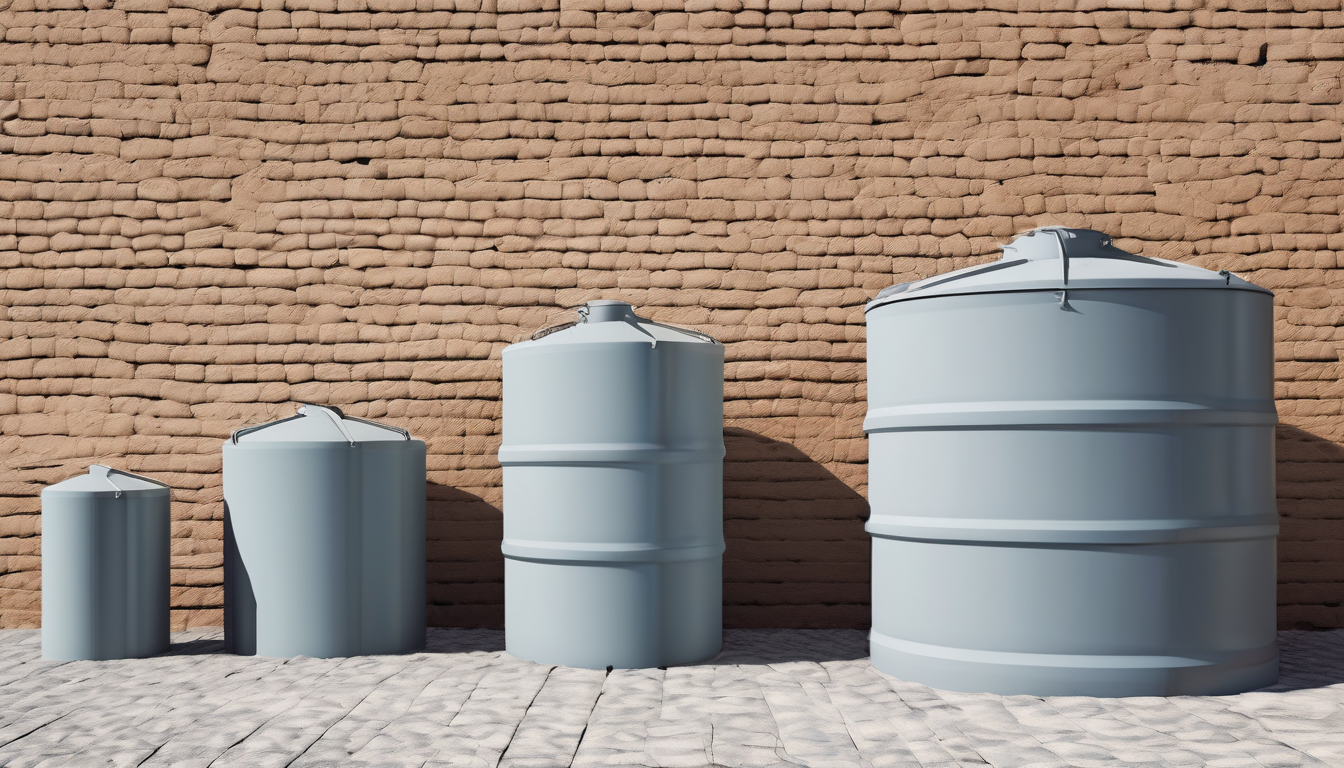




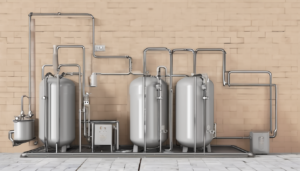

Water tank disinfection in Dubai requires specific methodologies tailored to the region’s climate, water quality challenges, and regulatory framework. The most effective Water Tank Disinfection methods compared Dubai guide reveals that professional services typically combine mechanical cleaning with controlled chemical treatment, followed by verification testing to ensure Dubai Municipality standards are met. This approach addresses the unique challenges of high temperatures, sediment accumulation, and biofilm development common in UAE water storage systems.
Understanding water tank disinfection methods compared Dubai guide principles begins with recognizing that no single method suits all situations. Professional assessment determines whether chlorine-based disinfection, ultraviolet treatment, ozone application, or combination approaches deliver optimal results for your specific tank configuration, water usage patterns, and contamination profile. Dubai’s water quality characteristics demand methods that effectively manage mineral content, organic matter, and potential microbial growth while maintaining compliance with local health regulations.
Water Tank Disinfection Methods Compared Dubai Guide – Understanding Water Tank Contamination in Dubai’s Climate
Dubai’s environmental conditions significantly influence water tank contamination patterns that disinfection methods must address. High temperatures throughout most of the year accelerate microbial growth and chemical reactions within stored water. Sand and dust particles frequently enter tanks through ventilation systems or during maintenance, accumulating as sediment that harbours bacteria and reduces disinfectant effectiveness. The combination of heat and organic material creates ideal conditions for biofilm formation—a slimy layer of microorganisms that adheres to tank surfaces and protects pathogens from disinfection treatments.
Professional water tank disinfection methods compared Dubai guide assessments consistently identify several contamination types requiring specific approaches. Mineral scale from Dubai’s hard water reduces tank capacity and provides surface area for microbial attachment. Organic matter including sand, dust, and occasional insect ingress creates nutrient sources for bacterial growth. Microbial contamination ranges from harmless sediment-associated bacteria to potential pathogens like Legionella species, particularly in tanks that experience temperature fluctuations or stagnation periods. Each contamination type responds differently to various disinfection methodologies, making professional assessment essential for determining the appropriate treatment protocol.
Water Tank Disinfection Methods Compared Dubai Guide – Chemical Disinfection Methods: Chlorine-Based Treatments
Chlorine-based disinfection remains the most widely implemented approach in professional water tank disinfection methods compared Dubai guide protocols. Dubai Municipality-approved sodium hypochlorite solutions at controlled concentrations provide reliable pathogen elimination while maintaining residual protection against recontamination. The process involves calculating precise dosage based on tank volume, water temperature, pH levels, and organic content to ensure effective disinfection without exceeding safe drinking water limits. Professional technicians measure free chlorine levels throughout the treatment process, maintaining concentrations between 0.5-1.0 mg/L during contact time before thorough rinsing and neutralization.
Chlorination effectiveness within water tank disinfection methods compared Dubai guide protocols depends on proper application technique and contact time. Professionals typically achieve 99.9% pathogen reduction when maintaining appropriate chlorine concentration for 30-60 minutes contact time, though heavily contaminated tanks may require higher concentrations or extended contact periods. The method effectively eliminates bacteria, viruses, and many protozoa while oxidizing organic matter that contributes to taste and odor issues. However, chlorine treatments have limitations against Cryptosporidium oocysts and some biofilm-embedded microorganisms, necessitating combination approaches in certain contamination scenarios common in Dubai’s water systems.
Chlorine Dioxide Systems
Chlorine dioxide represents an advanced chemical option within water tank disinfection methods compared Dubai guide evaluations. This alternative oxidant generates fewer disinfection byproducts than traditional chlorine while maintaining effectiveness across broader pH ranges. Professional applications typically involve on-site generation systems that produce chlorine dioxide solution for controlled dosing into tank water. The method proves particularly effective against biofilm and resistant microorganisms like Cryptosporidium, making it valuable for tanks with historical contamination issues or complex plumbing systems where biofilm persistence challenges conventional chlorination.
Water Tank Disinfection Methods Compared Dubai Guide – Physical Disinfection Methods: UV Radiation Treatment
Ultraviolet radiation systems offer chemical-free disinfection within comprehensive water tank disinfection methods compared Dubai guide approaches. UV treatment utilizes germicidal wavelengths (254 nm) that damage microbial DNA, preventing reproduction without altering water chemistry or generating disinfection byproducts. Professional installations typically incorporate UV chambers through which tank water circulates during disinfection cycles, ensuring all water receives adequate exposure dosage measured in millijoules per square centimeter. Dubai implementations require careful consideration of water clarity since UV effectiveness diminishes significantly in turbid water containing suspended particles that shield microorganisms from radiation.
UV treatment limitations within water tank disinfection methods compared Dubai guide protocols include the absence of residual disinfection protection. Unlike chemical methods that maintain protective residuals in the water supply, UV systems only treat water passing through the chamber at that moment. This necessitates combination with residual disinfectants for ongoing protection in storage and distribution systems. Professional assessments evaluate water clarity, flow rates, and pre-filtration requirements to determine UV system suitability for specific Dubai property applications, particularly in areas with variable water quality or high sediment loading.
Oxidation Methods: Ozone Disinfection Systems
Ozone disinfection represents a powerful oxidation approach within advanced water tank disinfection methods compared Dubai guide options. Ozone (O3) generated on-site from oxygen or air provides strong oxidizing action that destroys microorganisms, eliminates odors, and breaks down organic contaminants without chemical residuals. Professional systems introduce ozone gas into water through venturi injectors or diffusion systems, creating thorough mixing during disinfection cycles. The method effectively addresses tough contamination issues including persistent biofilm, resistant pathogens, and organic compounds causing taste and odor problems in Dubai’s water supplies.
Ozone implementation within water tank disinfection methods compared Dubai guide protocols requires specialized equipment and safety considerations. As an unstable gas that decomposes to oxygen, ozone provides no residual disinfection protection, necessitating combination with secondary disinfectants for maintained water safety. Professional installations incorporate ozone destruction systems to ensure safe working conditions and proper ventilation during treatment cycles. The method proves particularly valuable for tanks serving sensitive applications like medical facilities or food service establishments where chemical residual concerns exist, though higher implementation costs limit widespread residential use in Dubai.
Mechanical Cleaning and Preparation Methods
Mechanical cleaning forms the foundation of all effective water tank disinfection methods compared Dubai guide protocols. Before any disinfection treatment, professional technicians thoroughly remove sediments, scale, and visible contamination through manual brushing, vacuum extraction, and high-pressure washing. Dubai Municipality guidelines specify complete draining and mechanical cleaning as mandatory first steps before disinfectant application. This physical removal eliminates protective habitats for microorganisms and reduces organic load that would consume disinfectants, significantly improving subsequent chemical or physical treatment effectiveness.
Professional mechanical cleaning within water tank disinfection methods compared Dubai guide procedures utilizes specialized equipment designed for potable water tank applications. Submersible pumps with filtration systems remove water without redistributing sediments throughout the tank. Industrial vacuum units with HEPA filtration capture fine particles during dry sediment removal. Non-abrasive brushes and high-pressure washers (typically 1000-1500 psi) with potable water supply loosen and remove adhered contamination without damaging tank linings. The process includes inspection and cleaning of all internal surfaces, baffles, overflow pipes, and access points to ensure comprehensive contamination removal before disinfection application.
Dubai Municipality Compliance and Standards
Dubai Municipality regulations fundamentally shape approved water tank disinfection methods compared Dubai guide implementations. DM standards specify minimum annual cleaning and disinfection requirements for all potable water storage tanks, with more frequent servicing recommended based on usage patterns, contamination risk, and tank configuration. Compliance requires documented procedures including pre-cleaning inspection, mechanical cleaning verification, controlled disinfectant application, thorough rinsing, and post-service water quality testing. Professional services maintain detailed service reports containing before-and-after photographs, chemical usage records, and test results for Dubai Municipality audit purposes.
Water quality parameters within Dubai Municipality compliance for water tank disinfection methods compared Dubai guide focus on several critical measurements. Residual chlorine levels must measure between 0.2-0.5 mg/L at tap points following disinfection and system flushing. Turbidity should not exceed 1 NTU, indicating effective sediment removal during mechanical cleaning phases. Bacteriological testing confirms absence of total coliforms and E. coli in 100ml samples, validating disinfection effectiveness. Professional services typically coordinate with Dubai Municipality-approved laboratories for compliance testing, providing customers with documented verification that their water tank disinfection meets regulatory requirements for safe drinking water supply.
Comparative Analysis of Disinfection Methods
Professional water tank disinfection methods compared Dubai guide evaluations consider multiple factors when determining appropriate approaches for specific situations. Chemical methods like chlorination provide reliable pathogen reduction with residual protection but require careful handling and may produce disinfection byproducts. UV systems offer chemical-free treatment but lack residual protection and require pre-filtration for turbid water. Ozone delivers powerful oxidation without chemical residuals but involves higher implementation costs and safety considerations. Most professional services in Dubai employ combination approaches, typically mechanical cleaning followed by chlorination, with supplemental methods like UV or ozone reserved for specific contamination challenges or sensitive applications.
Effectiveness comparisons within water tank disinfection methods compared Dubai guide assessments reveal that method selection depends heavily on contamination type and tank conditions. Chlorine-based methods prove most effective against free-floating bacteria and viruses but struggle with biofilm and some protozoan cysts. UV radiation effectively inactivates most microorganisms including Cryptosporidium but requires water clarity and provides no residual protection. Ozone oxidizes biofilm and resistant pathogens effectively but decomposes rapidly. Professional assessment identifies the primary contamination challenges in each tank, allowing technicians to select and combine methods that address the specific microbial, chemical, and physical water quality issues present.
Professional Disinfection Protocol Implementation
Professional implementation of water tank disinfection methods compared Dubai guide protocols follows structured sequences ensuring comprehensive treatment and regulatory compliance. The process begins with complete tank drainage and isolation from the water supply system to prevent cross-contamination. Technicians then enter tanks following confined space entry protocols, conducting detailed inspection and documentation of internal conditions. Mechanical cleaning removes all sediments and visible contamination using approved methods and equipment. After thorough rinsing and verification of mechanical cleaning completion, technicians apply the selected disinfection method following calculated dosage protocols and contact time requirements.
Post-disinfection procedures within professional water tank disinfection methods compared Dubai guide implementations ensure system safety before returning to service. Thorough rinsing with potable water removes disinfectant residues to levels compliant with drinking water standards. System flushing through all outlet points verifies water quality throughout the distribution network. Final water sampling by Dubai Municipality-approved laboratories provides bacteriological and chemical compliance verification. Professional services supply comprehensive documentation including before-and-after photographs, chemical usage records, inspection findings, and test results, providing customers with assurance that their water tank disinfection meets all regulatory requirements and delivers safe, quality water for consumption.
Maintenance Scheduling and Preventive Approaches
Preventive maintenance planning completes effective water tank disinfection methods compared Dubai guide implementations. Dubai Municipality mandates minimum annual cleaning and disinfection, though professional assessment may recommend more frequent servicing based on specific risk factors. Tanks serving large populations, medical facilities, or food service establishments typically require quarterly or semi-annual servicing. Visual inspection between professional services helps identify issues like sediment accumulation, biofilm formation, or structural concerns requiring attention. Professional technicians provide customized maintenance recommendations based on tank usage patterns, water quality characteristics, and observed contamination rates during service visits.
Between professional water tank disinfection methods compared Dubai guide implementations, several maintenance practices help maintain water quality. Regular visual inspection through access points identifies early signs of sediment accumulation or contamination. Ensuring tank lids seal properly prevents insect and debris ingress while maintaining ventilation systems functionality controls humidity and condensation. Monitoring water clarity and odor at tap points provides early indication of developing issues requiring professional attention. Property managers should maintain records of servicing dates, inspection observations, and water test results to inform maintenance decisions and demonstrate regulatory compliance during Dubai Municipality inspections.
Expert Tips for Effective Water Tank Disinfection
Professional technicians with extensive experience in water tank disinfection methods compared Dubai guide implementations recommend several practices for optimal results. Schedule disinfection during cooler months when water temperatures facilitate better disinfectant effectiveness and controlled reaction rates. Ensure complete sediment removal during mechanical cleaning phases since remaining organic material consumes disinfectants and harbours protected microorganisms. Verify adequate contact time for chemical disinfectants by calculating appropriate concentration based on water temperature and pH conditions. Always conduct post-disinfection flushing through all outlet points to ensure water quality throughout the distribution system, not just within the tank itself.
Documentation practices significantly enhance water tank disinfection methods compared Dubai guide implementations. Maintain detailed records of each service including photographs, chemical usage, contact times, and test results for compliance demonstration and trend analysis. Implement a tank maintenance log that tracks servicing dates, observations, and corrective actions taken. Consider installing sampling points at strategic locations within the distribution system to monitor water quality between professional services. These practices not only ensure regulatory compliance but also provide valuable data for optimizing disfrequency and method selection based on actual performance history and contamination patterns specific to your property.
Frequently Asked Questions
How often should water tanks be disinfected in Dubai?
Dubai Municipality requires minimum annual disinfection for all potable water tanks. Professional assessment may recommend more frequent servicing every six months for tanks serving large buildings, medical facilities, or properties with historical water quality issues. Frequency depends on usage patterns, contamination risk, and observed water quality between services.
What is the most effective disinfection method for Dubai homes?
Professional water tank disinfection typically combines mechanical cleaning with controlled chlorination, which provides reliable pathogen elimination and residual protection. This approach effectively addresses Dubai’s specific challenges including high temperatures, sediment accumulation, and biofilm development while maintaining compliance with local regulations for safe drinking water standards.
Can I disinfect my water tank without professional help?
DIY water tank disinfection is not recommended due to safety risks, potential regulatory non-compliance, and ineffective results. Professional services follow Dubai Municipality protocols, use approved chemicals at controlled concentrations, implement safety procedures for confined space entry, and provide verification testing to ensure disinfection effectiveness and drinking water safety.
How long does the disinfection process take?
Complete professional water tank disinfection typically requires 4-8 hours depending on tank size, contamination level, and system complexity. The process includes draining, mechanical cleaning, disinfectant application with required contact time, thorough rinsing, system flushing, and water quality verification before returning the tank to service.
What water tests are required after disinfection?
Dubai Municipality compliance requires bacteriological testing for total coliforms and E. coli absence, residual chlorine measurement between 0.2-0.5 mg/L, and turbidity below 1 NTU. Professional services coordinate with approved laboratories for testing and provide documentation verifying compliance with drinking water standards.
Conclusion
Effective water tank disinfection in Dubai requires professional implementation of methods specifically tailored to the region’s climate, water characteristics, and regulatory framework. The comprehensive approach combining mechanical cleaning with controlled disinfection, followed by verification testing, ensures drinking water safety while maintaining Dubai Municipality compliance. Property owners should engage professional services with documented protocols, approved methodologies, and compliance experience to protect their water supply and meet regulatory requirements for potable water storage system maintenance. Understanding Water Tank Disinfection Methods Compared Dubai Guide is key to success in this area.