






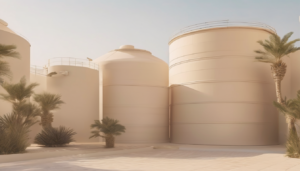



Dubai Municipality water tank cleaning frequency is determined by multiple factors including building occupancy, water usage patterns, and seasonal conditions. The standard requirement mandates annual cleaning for most residential properties, with increased frequency for commercial establishments, healthcare facilities, and high-occupancy buildings. Compliance with these standards ensures water safety and prevents contamination risks that can affect public health.
Understanding Dubai Municipality Water tank cleaning frequency begins with recognising that Dubai’s climate accelerates sediment accumulation, biofilm formation, and microbial growth in storage tanks. The desert environment introduces fine sand particles into water systems, while high temperatures promote bacterial proliferation. These conditions necessitate a structured maintenance approach that goes beyond minimum compliance to ensure water quality remains within safe consumption parameters.
Official Dubai Municipality Water Tank Cleaning Frequency Standards
Dubai Municipality establishes clear guidelines for water tank cleaning frequency through its Public Health and Safety Department. For residential villas and apartments, the baseline requirement is comprehensive cleaning and disinfection every twelve months. Commercial properties including hotels, restaurants, and office buildings must schedule cleaning every six months due to higher water consumption rates and increased contamination risks.
Healthcare facilities operate under stricter Dubai Municipality water tank cleaning frequency protocols. Hospitals, clinics, and medical centres require quarterly cleaning cycles to maintain sterile water supplies for patient care and medical equipment. Educational institutions and childcare facilities follow similar enhanced schedules, typically cleaning every four to six months depending on student population and water usage patterns.
High-Risk Category Requirements
Buildings with central cooling systems that use water for air conditioning require additional attention. These systems often connect to storage tanks and can introduce contaminants through backflow or cross-connection issues. Dubai Municipality inspectors pay particular attention to these installations during routine checks and may mandate more frequent cleaning cycles based on system design and usage intensity.
Dubai Municipality Water Tank Cleaning Frequency – Factors Influencing Cleaning Frequency Beyond Minimum Requir
While Dubai Municipality water tank cleaning frequency sets minimum standards, several factors may necessitate more frequent intervention. Buildings with older plumbing systems often accumulate sediment and corrosion products more rapidly. Tanks showing visible sediment layers during inspection require immediate cleaning regardless of the scheduled maintenance date.
Water quality issues also impact Dubai Municipality water tank cleaning frequency. Properties experiencing discoloured water, unusual odours, or particulate matter in taps should arrange immediate professional assessment. These signs indicate possible contamination that requires urgent attention rather than waiting for the next scheduled cleaning cycle.
Seasonal Considerations
Dubai’s summer months from June to September present particular challenges for water storage systems. Higher temperatures accelerate bacterial growth and chemical reactions within tanks. Many property managers schedule cleanings just before peak summer periods to ensure optimal water quality during the most demanding environmental conditions.
Dubai Municipality Water Tank Cleaning Frequency – Documentation and Compliance Verification
Proper documentation forms a critical component of Dubai Municipality water tank cleaning frequency compliance. After each cleaning service, property owners should receive a detailed report including before-and-after photographs, chemical usage records, and water test results. These documents serve as proof of compliance during municipal inspections and help track maintenance history over time.
Professional service providers registered with Dubai Municipality maintain digital records of all cleaning activities. These records include technician certifications, equipment calibration dates, and disinfectant concentration measurements. Property managers should retain these documents for at least two years to demonstrate compliance with Dubai Municipality water tank cleaning frequency requirements.
Consequences of Non-Compliance with Cleaning Schedules
Failure to adhere to Dubai Municipality water tank cleaning frequency standards can result in significant penalties. Initial violations typically incur fines, while repeated non-compliance may lead to water supply discontinuation until corrective actions are completed. In severe cases involving waterborne illness outbreaks, property owners face legal liability and substantial financial penalties.
Beyond regulatory consequences, neglected water tanks pose serious health risks. Stagnant water supports Legionella bacteria growth, which can cause respiratory infections when aerosolised through showers or air conditioning systems. Sediment accumulation provides breeding grounds for harmful microorganisms that compromise water safety despite municipal treatment at the source.
Professional Cleaning Process and Standards
Dubai Municipality approved water tank cleaning follows a meticulous seven-step process. Technicians begin with complete drainage and isolation of the tank from the building’s water supply. Manual removal of all sediment and debris precedes high-pressure washing with potable water. Surface disinfection using approved biocides follows, with particular attention to corners and seams where biofilm accumulates.
Final rinsing ensures no chemical residues remain before refilling with fresh water. Post-cleaning water testing verifies that turbidity, chlorine levels, and microbial counts meet Dubai Municipality standards. This comprehensive approach ensures that Dubai Municipality water tank cleaning frequency requirements translate into genuine water quality improvements rather than mere regulatory compliance.
Scheduling and Planning for Compliance
Effective management of Dubai Municipality water tank cleaning frequency requires advance planning. Property managers should maintain a cleaning calendar that accounts for all water storage systems on the premises. This includes both underground sump tanks and overhead storage tanks, which may require coordinated cleaning to minimise disruption to water supply.
Scheduling should consider building occupancy patterns to minimise inconvenience to residents or business operations. Many professional cleaning companies offer evening or weekend services for commercial properties to avoid disrupting daytime activities. Residential buildings often coordinate cleaning during periods of lower occupancy, such as summer months when many residents travel.
Expert Tips for Maintaining Water Tank Compliance
Regular visual inspections between professional cleanings help maintain water quality. Check for sediment accumulation, visible algae growth, or corrosion signs monthly. Ensure tank covers remain secure to prevent insect or rodent entry while maintaining proper ventilation to avoid condensation issues.
Monitor water quality through simple observations. Note any changes in taste, odour, or appearance that might indicate developing problems. Keep records of these observations to share with professional cleaners during scheduled maintenance visits, helping them address specific concerns beyond standard cleaning procedures.
Maintain clear access to all tanks for inspection and cleaning. Avoid storing materials near tanks that might obstruct technician access during scheduled maintenance. Ensure lighting around tank areas meets safety standards for proper inspection and cleaning operations.
Establish relationships with Dubai Municipality approved cleaning companies familiar with local requirements. These professionals understand specific documentation needs and can provide advice tailored to your property’s unique characteristics and usage patterns.
Frequently Asked Questions
What is the penalty for not following Dubai Municipality water tank cleaning frequency?
Penalties for non-compliance start with fines up to AED 5,000 for initial violations. Repeated offences can result in water supply disconnection and legal action if water quality issues cause health problems. Dubai Municipality inspectors conduct random checks and respond to tenant complaints regarding water quality issues.
Can I clean my water tank myself instead of hiring professionals?
Dubai Municipality requires certified professionals for official compliance documentation. DIY cleaning lacks proper disinfection protocols, testing equipment, and documentation needed for inspection purposes. Professional services ensure complete sediment removal, proper disinfection, and valid compliance certificates.
How long does a professional water tank cleaning take in Dubai?
Standard cleaning for an average villa tank requires 3-4 hours including drainage, cleaning, disinfection, and refilling. Larger commercial tanks may take 6-8 hours depending on size and contamination level. Water testing adds additional time but is essential for compliance verification.
Does Dubai Municipality water tank cleaning frequency apply to all types of tanks?
Yes, regulations cover all potable water storage including concrete, fibreglass, plastic, and steel tanks. Underground and overhead tanks both require regular cleaning regardless of construction material. Secondary storage tanks and emergency water supplies also fall under these requirements.
What water tests are required after tank cleaning in Dubai?
Post-cleaning testing includes turbidity measurement, chlorine residual testing, and microbial analysis for coliform bacteria. Professional services provide test results documenting compliance with Dubai Municipality standards. Properties with history of water issues may require additional testing for specific contaminants.
Conclusion
Maintaining proper Dubai Municipality water tank cleaning frequency represents both a legal requirement and a critical health protection measure. By understanding the specific requirements for different property types and implementing a proactive maintenance schedule, property owners can ensure compliance while safeguarding water quality. Professional cleaning services provide the documentation and expertise needed to meet Dubai Municipality standards effectively.
Regular attention to water tank maintenance prevents health risks, avoids regulatory penalties, and ensures consistent water quality for all building occupants. With Dubai’s challenging environmental conditions, adhering to established cleaning frequencies represents an essential component of responsible property management and public health protection. Understanding Dubai Municipality Water Tank Cleaning Frequency is key to success in this area.