




Professional Water Tank Cleaning Process Explained in Dubai follows a meticulous eight-step methodology aligned with Dubai Municipality potable water standards. This certified approach addresses the unique challenges of UAE’s climate, where high temperatures and airborne sediment require specialised cleaning protocols. Property owners across Dubai, Abu Dhabi, and the Northern Emirates benefit from understanding this systematic process that ensures water safety and regulatory compliance.
Professional Water Tank Cleaning Process – Initial Assessment and Preparation Phase
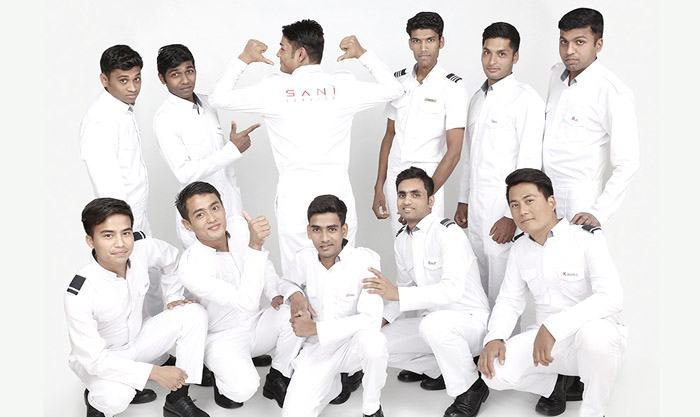
The Professional Water Tank Cleaning Process Explained begins with a comprehensive site assessment. Saniservice technicians inspect tank location, accessibility, and current water quality before any work commences. This preliminary evaluation determines the appropriate cleaning method and identifies potential challenges specific to Dubai properties, such as underground tank accessibility or high-rise building water systems.
Technicians document tank condition, noting sediment accumulation, biofilm presence, and structural integrity. This assessment phase includes verifying tank capacity and water usage patterns, which directly influence cleaning frequency recommendations. Dubai Municipality guidelines mandate this documentation for commercial properties and recommend it for residential villas to maintain water safety standards.
Professional Water Tank Cleaning Process – Water Drainage and Isolation Procedures
The second stage of Professional Water Tank Cleaning Process Explained involves complete water drainage using submersible pumps designed for potable water systems. Technicians carefully drain tanks to avoid contaminating surrounding areas, particularly important in Dubai villa communities where multiple properties share drainage systems. This process includes isolating the tank from the main water supply to prevent backflow during cleaning operations.
Following drainage, technicians secure the worksite with appropriate signage and safety barriers. This safety protocol is especially crucial for underground tanks common across Dubai properties, where confined space entry procedures must be strictly followed. The drainage phase typically takes 1-3 hours depending on tank size and sediment volume.
Professional Water Tank Cleaning Process: Manual Cleaning and Sediment Removal
Professional Water Tank Cleaning Process Explained prioritises manual removal of settled sediments using specialised tools approved for potable water contact. Technicians enter tanks wearing protective gear to physically remove sludge, sand, and debris accumulated through Dubai’s dusty environment. This hands-on approach ensures complete removal of particulate matter that automated systems might miss.
The cleaning process includes scrubbing all interior surfaces with stiff-bristled brushes to dislodge biofilm and mineral deposits. For concrete tanks common in older Dubai properties, technicians pay special attention to porous surfaces where bacteria can thrive. This phase represents the most labour-intensive part of the Professional Water Tank Cleaning Process Explained but is essential for achieving truly clean water storage.
High-Pressure Washing Implementation
Following manual cleaning, technicians employ high-pressure washing systems operating at controlled pressures to avoid damaging tank linings. This stage of Professional Water Tank Cleaning Process Explained removes remaining particles and prepares surfaces for disinfection. The pressure washing equipment uses potable water sources to prevent introducing new contaminants during the cleaning process.
Disinfection and Sanitisation Protocol
The critical disinfection phase of Professional Water Tank Cleaning Process Explained uses Dubai Municipality-approved chemicals at precisely measured concentrations. Technicians apply chlorine-based disinfectants following WHO guidelines for potable water treatment, ensuring effective pathogen elimination without compromising water safety. This chemical application requires careful calculation based on tank volume and water chemistry.
Disinfection solution remains in contact with tank surfaces for a specified duration to achieve proper microbial reduction. Saniservice technicians monitor contact time and concentration levels throughout this process, documenting all parameters for compliance records. This meticulous approach ensures the Professional Water Tank Cleaning Process Explained meets Dubai’s stringent water safety requirements.
Rinsing and Water Quality Testing
Following disinfection, technicians thoroughly rinse tank surfaces using clean potable water to remove any residual cleaning agents. This rinsing process continues until water runs clear and chemical tests confirm acceptable chlorine levels. The Professional Water Tank Cleaning Process Explained includes multiple rinse cycles to ensure no disinfectant remains that could affect water taste or safety.
Post-cleaning water testing forms an essential component of Professional Water Tank Cleaning Process Explained. Technicians collect samples for laboratory analysis, checking for microbial contamination, chemical balance, and physical parameters. This verification step provides documented proof of cleaning effectiveness and ensures water meets Dubai Municipality potable standards before returning the tank to service.
Final Inspection and Documentation
The concluding phase of Professional Water Tank Cleaning Process Explained involves comprehensive inspection and detailed reporting. Technicians examine tanks for any missed areas and verify all components are properly reassembled. This final check ensures the entire system operates correctly before reactivating the water supply to Dubai properties.
Saniservice provides complete documentation including before-and-after photos, chemical application records, and water test results. This paperwork proves compliance with Dubai Municipality regulations and serves as valuable records for property management. The Professional Water Tank Cleaning Process Explained concludes only when all quality checks are satisfied and documentation is complete.
Post-Cleaning Maintenance Recommendations
Professional Water Tank Cleaning Process Explained includes personalised maintenance advice tailored to Dubai’s environmental conditions. Technicians recommend appropriate cleaning frequencies based on tank material, location, and water usage patterns. For Dubai villas, this typically means semi-annual cleaning, while commercial properties may require quarterly service depending on occupancy levels.
Maintenance guidance covers visual inspection techniques, water quality monitoring, and early warning signs of contamination. This educational component ensures property owners understand how to maintain water quality between professional cleanings. The complete Professional Water Tank Cleaning Process Explained thus extends beyond the immediate service to provide ongoing water safety support.
Dubai-Specific Considerations and Regulations
The Professional Water Tank Cleaning Process Explained must adapt to Dubai’s unique regulatory environment and climate challenges. High temperatures accelerate bacterial growth in water storage systems, necessitating more frequent cleaning than in cooler climates. Dust storms common across the UAE introduce particulate matter that settles in tanks, requiring specialised removal techniques.
Dubai Municipality regulations specify cleaning frequencies, disinfectant concentrations, and documentation requirements for different property types. The Professional Water Tank Cleaning Process Explained incorporates these local standards at every stage, ensuring compliance while maintaining water safety. Technicians working in Dubai receive specific training on municipal requirements and regional environmental factors.
Expert Tips for Maintaining Clean Water Tanks
Regular visual inspections between professional cleanings help identify issues early. Check for sediment accumulation, unusual odours, or visible contamination during routine maintenance.
Monitor water quality through simple observation – changes in taste, colour, or pressure may indicate tank issues requiring attention.
Maintain accurate records of cleaning dates, water test results, and any maintenance performed on your water system.
Ensure tank lids remain properly sealed to prevent insect entry and dust contamination between professional services.
Schedule professional cleaning before and after peak summer months when bacterial growth accelerates in Dubai’s climate.
Frequently Asked Questions
How often should water tanks be cleaned in Dubai?
Dubai Municipality recommends semi-annual cleaning for residential properties and quarterly for commercial buildings. However, frequency depends on tank material, usage patterns, and water quality test results from previous cleanings.
What disinfectants are used in professional water tank cleaning?
Certified providers use Dubai Municipality-approved chlorine-based disinfectants at concentrations specified by WHO guidelines. These chemicals effectively eliminate pathogens while maintaining water safety standards.
How long does the professional cleaning process take?
A standard residential tank cleaning requires 4-6 hours depending on tank size and condition. Commercial properties with larger tanks may need 8-12 hours for complete cleaning and disinfection.
Is water testing included in professional cleaning services?
Reputable providers include pre-and post-cleaning water testing as part of their service. This documentation proves cleaning effectiveness and ensures compliance with Dubai regulations.
Can I use my water immediately after cleaning?
Water remains unavailable during the cleaning process and for 2-3 hours after while disinfectant contact time completes and rinsing verifies water safety. Technicians will advise when water use can resume.
Conclusion
The Professional Water Tank Cleaning Process Explained represents a comprehensive approach to water safety that addresses Dubai’s specific environmental challenges and regulatory requirements. From initial assessment through final documentation, each step serves the dual purpose of ensuring potable water quality and maintaining compliance with local standards. Property owners who understand this process can make informed decisions about their water maintenance needs and appreciate the value of professional service.