

—
TITLE—
Steps to Test and Maintain Water Quality During Emergencies: A Comprehensive Guide for Dubai, Abu Dhabi & Sharjah
—
META—
Steps to test and maintain water quality during emergencies in Dubai, UAE. Essential steps to ensure clean and safe water storage.
—
EXCERPT—
Emergency situations can pose significant risks to your family’s health if the water supply is compromised. This article provides a comprehensive guide on how to test and maintain water quality during such times, ensuring safety and peace of mind for residents in Dubai, Abu Dhabi, and Sharjah.
—
CONTENT—
Steps to Test and Maintain Water Quality During Emergencies
In the event of an emergency, it is crucial to ensure that your water supply remains safe for consumption. This article outlines key steps to test and maintain water quality during emergencies in Dubai, Abu Dhabi, and Sharjah.
Understanding Emergency Water Situations
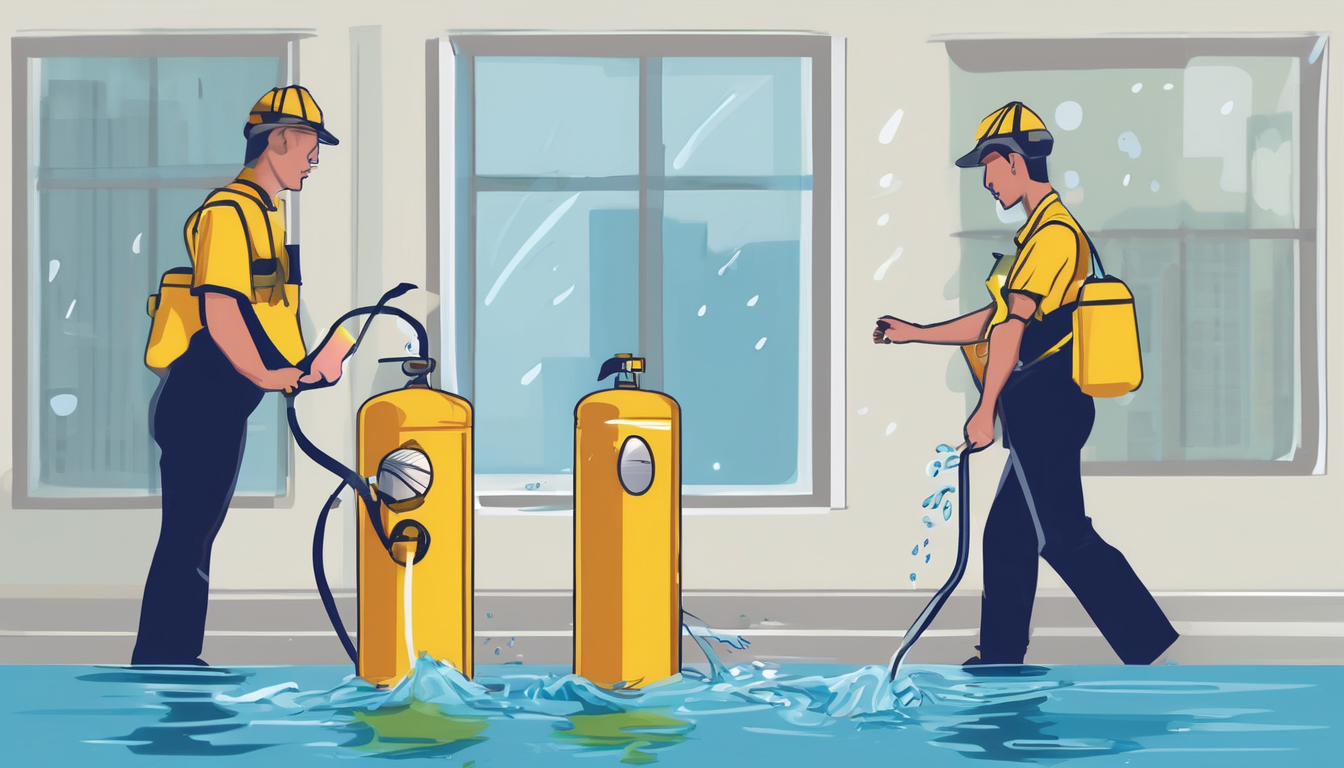
Emergency situations can include natural disasters such as floods or earthquakes, power outages, or contamination from industrial accidents. These events can disrupt the usual water treatment processes, leading to potential health risks if not properly managed.
Steps To Test And Maintain Water Quality During Emergencies – Establishing an Emergency Water Supply Plan
Before any emergency strikes, it is essential to have a plan in place for maintaining clean and safe drinking water. Here’s how you can prepare:
- Stock Non-Potable Water Supplies: Store large quantities of non-potable water (for flushing toilets, washing dishes, etc.) to conserve potable water.
- Identify Safe Drinking Water Sources: Keep a list of local community centers, hospitals, or other safe drinking water stations in your area.
Testing Water Quality
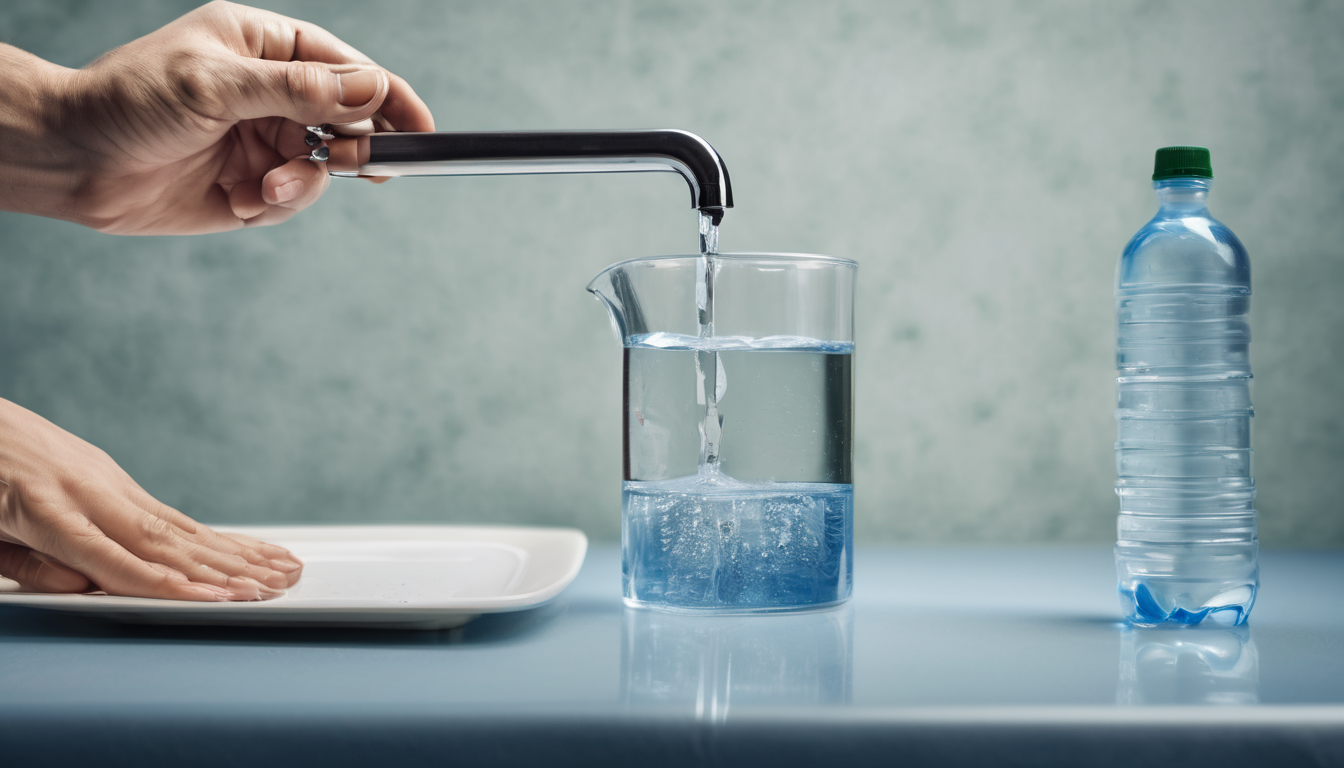
During an emergency, it is vital to test the water quality regularly. Follow these steps:
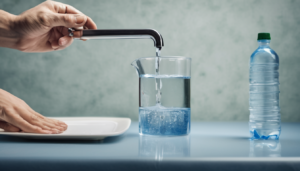
- Visual Inspection: Look for visible contaminants such as sediment or discoloration.
- Odor Check: Smell the water for any unusual odors that might indicate contamination.
- Taste Test: Taste the water to identify any unusual flavors, which could be a sign of contamination.
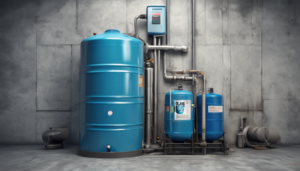
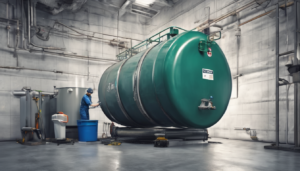
Steps To Test And Maintain Water Quality During Emergencies – Chlorination of Emergency Water Tanks
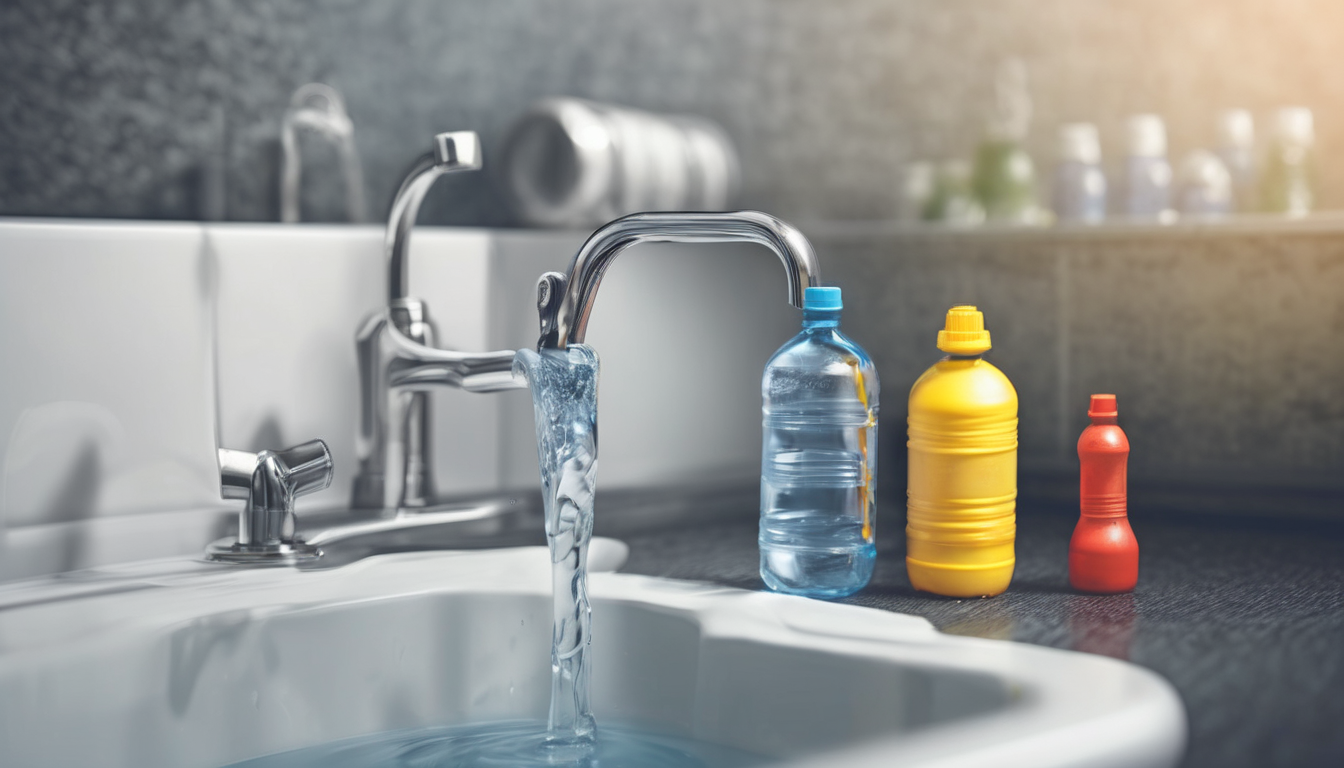
Chlorination is an essential method for disinfecting water during emergencies. Follow these steps:
- Use DM-Approved Chlorine: Use only Dubai Municipality-approved chlorine tablets or liquid to avoid harmful side effects.
- Mix Properly: Dissolve the chlorine in a clean bucket and then add it to your water tank at a rate of 2 ml per liter of water for drinking purposes, and 4-5 ml per liter for non-potable uses like flushing toilets.
- Avoid Mixing with Other Chemicals: Do not mix chlorine with other chemicals or soaps as this can create harmful fumes.
Maintaining Water Quality in Tanks
Once the water has been treated, it is crucial to maintain its quality. Here’s how:
- Regularly Mix: Stir the water gently but thoroughly after adding chlorine to ensure even distribution.
- Allow Dwell Time: Let the water sit for at least 30 minutes before using, allowing enough time for disinfection.
Monitoring and Updating the Plan
Continuous monitoring of your emergency plan is crucial. Here’s what to do:
- Regular Inspections: Conduct daily inspections of water quality, looking for any signs of contamination.
- Update as Needed: Adjust your plan based on changing conditions or new information from local authorities.
Practical Tips for Emergency Water Safety
To keep your family safe during an emergency, follow these practical tips:
- Use Boiling: If in doubt, boil water before drinking to kill any potential contaminants.
- Avoid Unnecessary Risks: Do not use contaminated water for cooking or preparing food without proper treatment.
- Keep Clean Utensils: Use clean, sanitized utensils and containers to handle and store water.
FAQ Section
- Q: How often should I test the water quality?
- A: Test the water at least daily during an emergency, or more frequently if conditions worsen.
- Q: Can I use bleach instead of chlorine?
- A: While bleach can be used as a substitute, it is less effective than chlorine. Always follow manufacturer instructions and local guidelines for safe use.
- Q: What should I do if my water quality test results are unsatisfactory?
- A: Follow the same steps for chlorination but increase the dosage slightly. If issues persist, contact a professional service immediately.
Conclusion
Ensuring safe and clean drinking water during emergencies is crucial for your family’s health. By following these guidelines on how to test and maintain water quality, you can stay prepared and confident in any situation.
—
TAGS—
emergency water supply, steps to test water quality, chlorination of water tanks, maintaining water safety
—
ALT_TEXT—
Steps to Test and Maintain Water Quality During Emergencies – A guide for ensuring safe drinking water during emergencies in Dubai, Abu Dhabi & Sharjah.