

Introduction to Emergency Water Supply
Emergencies can strike without warning, leaving communities vulnerable. Access to clean drinking water is essential for maintaining health and safety during these critical times. This guide provides a step-by-step approach on How to Create an emergency water supply that ensures your family’s well-being in the face of unexpected challenges.
Understanding How to Create an Emergency Water Supply
An emergency water supply is vital for ensuring your family’s safety in the event of natural disasters, power outages, or other emergencies. This section will provide a clear understanding of why you need one and how it can be created.
Why You Need an Emergency Water Supply
The UAE experiences various weather conditions that can disrupt daily life. Extreme heat, heavy rains, and occasional sandstorms can all impact water supplies. An emergency water supply guarantees access to clean drinking water when regular sources are unavailable or compromised. This relates directly to Create An Emergency Water Supply.
Main Components of an Emergency Water Supply
- Storage Capacity: Determine the number of people in your household and calculate the necessary amount of water needed for at least 72 hours.
- Purification Method: Choose a method to ensure that stored water is safe to drink, such as filtration or chemical treatment.
- Maintenance: Regularly check and maintain the supply to prevent contamination and degradation of quality.
In Dubai, Abu Dhabi, and Sharjah, water conservation efforts are increasingly important. Creating an emergency water supply not only prepares you for emergencies but also supports long-term sustainable practices.
Create An Emergency Water Supply: Storage Options for an Emergency Water Supply
There are several storage options available depending on your space and needs. Each option has its benefits, making it essential to choose the best fit for your household. When considering Create An Emergency Water Supply, this becomes clear.
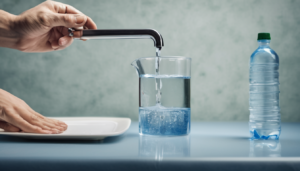
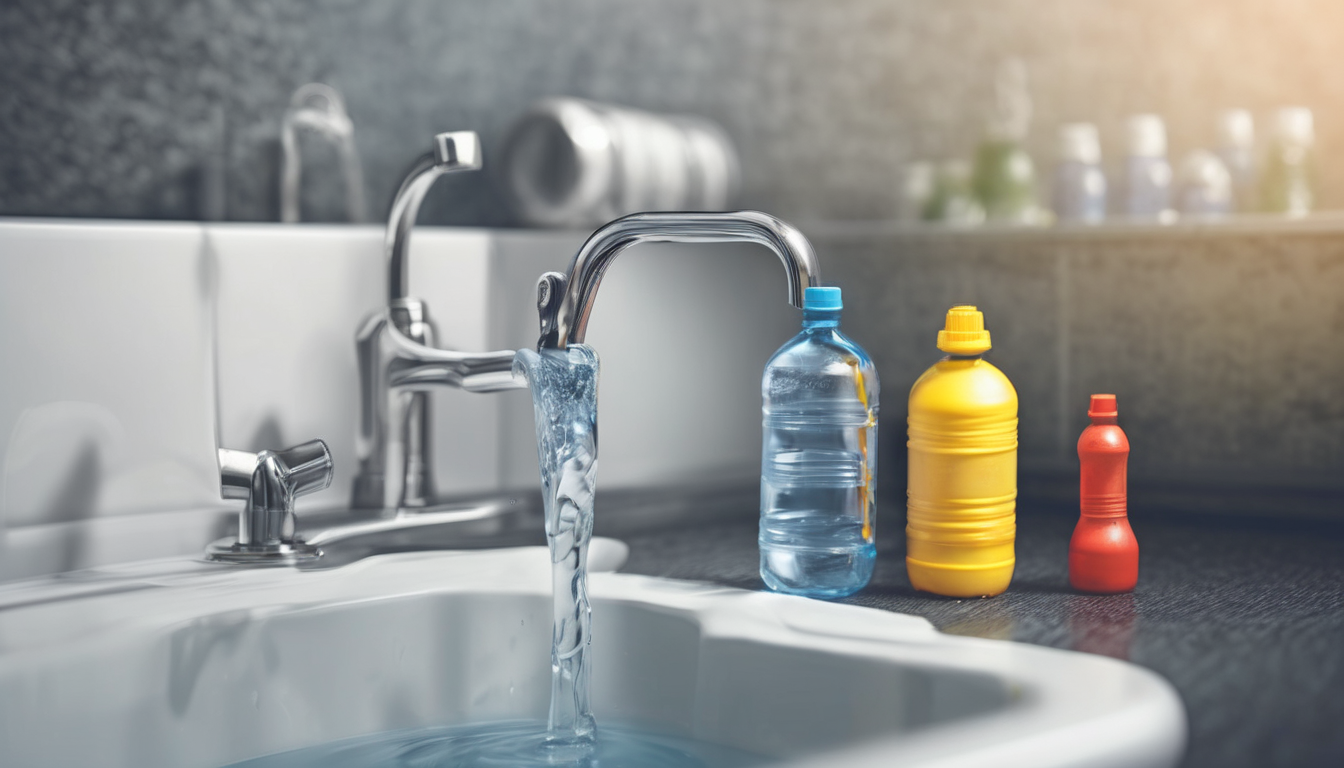
Bottled Water Storage
- Affordable: Pre-purchased bottled water is a quick solution but can be expensive in large quantities.
- Ease of Use: Bottles are easy to transport and use, requiring no additional filtration or purification steps.
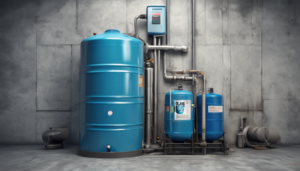
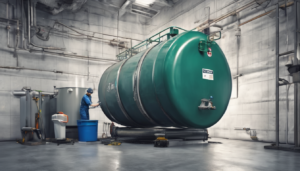
Water Tanks
- Capacity: Large tanks can store significant amounts of water for a larger number of people.
- Customizable: Can be installed in homes, garages, or other suitable areas. Some models offer filtration and purification capabilities.
Solar-Powered Desalination Units
- Renewable: Utilizes solar energy to purify seawater into drinking water, making it an eco-friendly option for coastal regions like Dubai.
- Maintenance: Requires regular cleaning and maintenance but can be highly effective in areas with access to a nearby sea or brackish water source.
Consider the space available, budget, and long-term sustainability when selecting your storage option. For families and communities in Abu Dhabi and Sharjah, solar-powered units might offer a practical solution due to the abundant sunlight throughout the year.
Purification Methods for Safe Drinking Water
Ensuring that your stored water is safe to drink is crucial. There are various methods available, each with its own advantages and limitations. Understanding these methods will help you choose the most suitable one for your emergency water supply. The importance of Create An Emergency Water Supply is evident here.
Filtration Systems
- Benchtop Filters: Ideal for small to medium-sized storage capacities. They can be gravity-fed or pressurized, providing a simple and effective solution.
- Sand Filters: Effective at removing larger particles but may require more maintenance compared to other filtration methods.
Ionic Water Purifiers
- Electrostatic Filtration: Uses an electric charge to attract contaminants, making them easier to remove. This method is effective in reducing bacteria and viruses but may not be sufficient on its own.
Chemical Treatment
- Iodine or Chlorine Tablets: Simple and cost-effective, these tablets can effectively kill most pathogens if used correctly. However, they have a limited shelf life and may impart an unpleasant taste to the water.
- Potable Aqua: A popular brand of iodine tablets that are widely available in local stores and online.
Mixing Methods
- Manual Dosing: Adding a specified amount of disinfectant to water on-site. This method requires careful measurement but offers more control over the dosage.
- Automated Dispensers: For larger storage capacities, automated dispensers can ensure consistent treatment without human error.
Maintaining Your Emergency Water Supply
Maintaining your emergency water supply is crucial to ensure its reliability during an actual emergency. Regular maintenance and testing will help prevent contamination and keep the stored water safe for consumption.
Regular Inspections
- Visual Inspection: Check for any signs of leaks or damage in storage tanks or containers. Address these issues promptly to avoid further degradation.
- Water Quality Testing: Test the stored water periodically using simple test kits available at local pharmacies or online stores. This will help detect any contamination before it becomes a problem.
Cleaning Procedures
- Disinfection: Periodically disinfect storage tanks and containers to remove any biofilm, algae, or sediment that may have accumulated over time. This step ensures that the water remains clean even when not actively using it.
- Frequent Rotation: Rotate your supply of stored water by using older stock first. This practice prevents the formation of stagnant water pockets and reduces the risk of contamination.
In Dubai, regular cleaning and maintenance are essential due to high temperatures and humidity levels that can accelerate the growth of harmful microorganisms in stored water. Understanding Create An Emergency Water Supply helps with this aspect.
Examples and Practical Applications
Creating an emergency water supply is not just about storing water; it’s also about ensuring its safety. Here are some practical examples to illustrate different approaches:
Villa Owners in Dubai
- Bottled Water Storage: Purchasing enough bottled water for the household and keeping it sealed until needed.
- Tank Installation: Installing a large water tank with built-in filtration systems to ensure a constant supply of clean drinking water.
Apartment Building Managers in Abu Dhabi
- Centralized Storage Tanks: Setting up centralized storage tanks for the entire building, equipped with advanced purification methods and regular maintenance schedules.
- Emergency Kits: Providing emergency water kits to residents that include bottled water, purification tablets, and basic instructions on usage.
Expert Tips for Emergency Water Storage
Here are some expert tips to enhance the effectiveness of your emergency water supply:
- Proper Labeling: Clearly label all containers and tanks with the date they were filled and the type of purification method used. This information will be invaluable during an actual emergency.
- Temperature Control: Store water in a cool, dark place to prevent bacterial growth. In Dubai’s climate, this can significantly extend the shelf life of stored water.
- Regular Training: Educate family members and staff on how to access and use the emergency water supply if needed. This ensures that everyone knows what to do in an emergency.
Frequently Asked Questions (FAQ)
Here are answers to some common questions about creating an emergency water supply:
- Q: How much water should I store?
- A: For a family of four, it is recommended to store at least 120 liters (30 gallons) per person for three days. This amount can be adjusted based on specific needs and storage options.
- Q: Can I use tap water from the emergency tank?
- A: No, it is not advisable to rely solely on tap water during an emergency. Tap water may have been compromised due to power outages or other disruptions. Always treat and purify stored water before consumption.
- Q: How often should I replace the stored water?
- A: Water should be rotated every six months for maximum freshness and safety. This practice ensures that older stock is used first, reducing the risk of contamination over time.
Create An Emergency Water Supply factors into this consideration.
Conclusion of How to Create an Emergency Water Supply Guide
Creating a reliable emergency water supply is not just about storing water; it’s about ensuring its safety and accessibility during times of crisis. By following the steps outlined in this guide, you can prepare your home or community for unexpected challenges with peace of mind. Remember that regular maintenance and testing are key to keeping your stored water clean and safe. Understanding Create An Emergency Water Supply is key to success in this area.