







Introduction: Preparing for Water Tank Cleaning
Water tank cleaning is not just an annual maintenance task; it’s a critical step in ensuring your family’s health and the safety of those who use water from the storage tanks. In this guide, we will explore key safety measures that need to be taken before scheduling a professional water tank cleaning service. Whether you have underground or overhead tanks, these steps will help ensure a thorough clean while minimizing risks. This relates directly to Preparing For Water Tank Cleaning: Key Safety Measures.
Understanding Preparing for Water Tank Cleaning: Key Safety Measures
Before starting the process of water tank cleaning, it’s essential to understand why preparing is crucial. Regularly scheduled water tank cleaning can prevent sediment buildup, reduce the risk of bacterial growth, and ensure that your drinking water remains safe and clean.
Identify the Tank Type
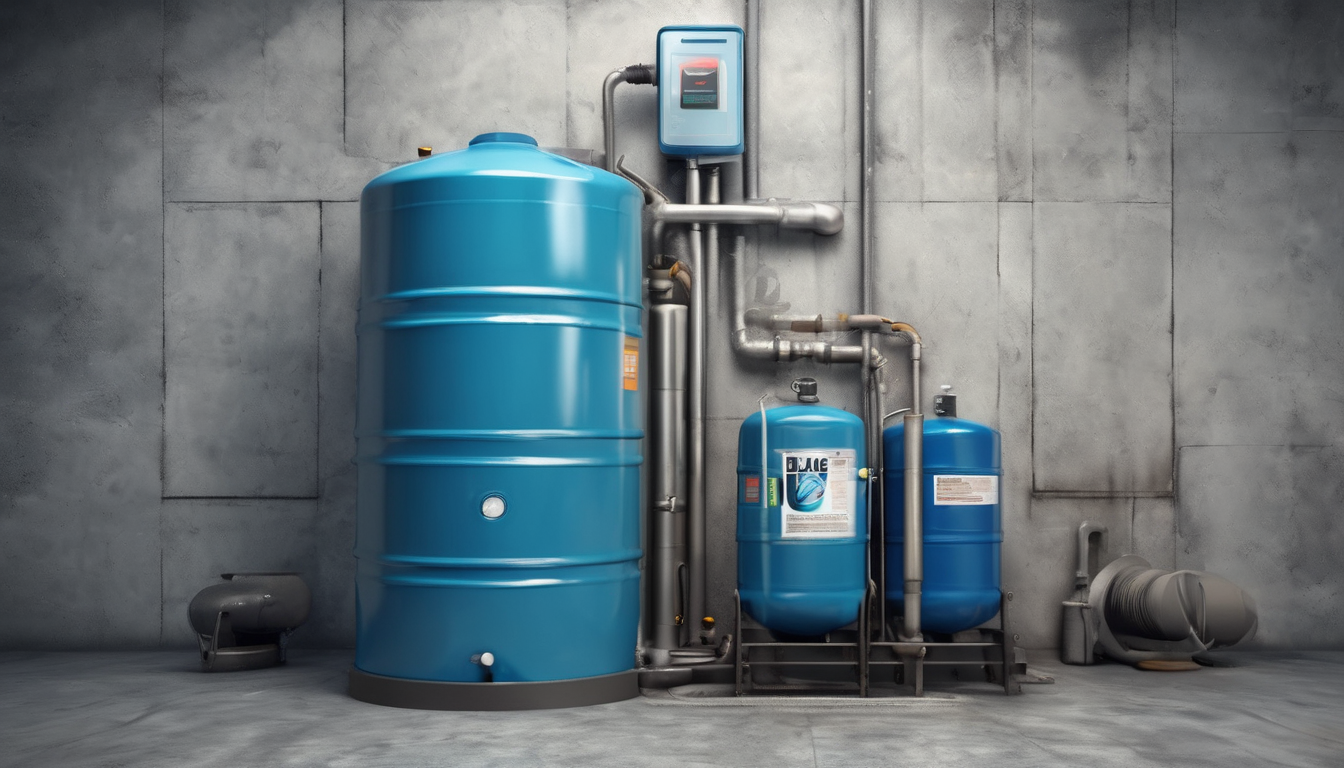
Understand whether you have an underground or overhead water storage tank. Underground tanks are more prone to rust, corrosion, and sediment buildup due to exposure to soil conditions, while overhead tanks may face issues like algae growth and dust accumulation.
Preparing For Water Tank Cleaning: Key Safety Measures – Safety Precautions Before Cleaning
Ensuring safety during the cleaning process is paramount. Follow these steps before engaging a professional service provider:
- Identify the Service Provider: Ensure they are certified and comply with local health regulations.
- Evaluate Safety Gear: Confirm that the technicians will use appropriate protective gear, such as gloves, masks, and safety goggles.
- Check Chemical Compliance: Only use chemicals approved by the Dubai Municipality to ensure safe disinfection practices.
- Review Equipment: Inspect the cleaning tools and equipment for their suitability in handling underground or overhead tanks.
- Secure Property Access: Ensure that access points are secure, and there is adequate lighting around the tank area.
Preparing For Water Tank Cleaning: Key Safety Measures – Pre-Cleaning Inspections and Risk Assessments
A thorough inspection before cleaning helps identify any potential risks. This includes:
- Visual Inspection of the Tank Interior: Look for signs of corrosion, leaks, or contamination.
- Check for Obstructive Debris: Remove any visible debris or objects that could obstruct cleaning tools.
- Evaluate Ventilation Systems: Ensure proper ventilation to minimize the risk of harmful fumes.
- Maintain a Safe Work Area: Clear the area around the tank and set up a containment zone to manage waste safely.
Draining and Isolating the Tank
Properly draining and isolating the water tank is crucial for safety:
- Close All Valves: Turn off all valves connected to the tank to prevent any accidental release of water.
- Drain the Tank: Use a sump pump or manually drain as much water as possible from the tank.
- Ensure Proper Ventilation: Open windows and doors near the tank area to allow for proper air circulation during cleaning.
- Clear Pathways: Ensure that all pathways are clear, and there is no risk of slips or falls in the work area.
Cleaning and Disinfection Procedures
The cleaning process involves both manual and mechanical techniques to ensure a thorough clean:
- Manual Cleaning: Use brushes, scrapers, or other tools to remove sediment, rust, and biofilm from the tank walls.
- Mechanical Cleaning: Employ high-pressure water jets or vacuum systems for hard-to-reach areas.
- Application of Disinfectants: Use approved chemicals to disinfect the interior surfaces. Apply them in a controlled manner, ensuring proper dwell time as per manufacturer guidelines.
- Rinsing and Refilling: Rinse the tank thoroughly with clean water before refilling it. Check for any remaining contaminants or odors.
Post-Cleaning Inspection and Maintenance
After cleaning, ensure that the tanks are safe to use:
- Routine Testing: Conduct tests for water quality and safety.
- Check for Leaks or Damages: Inspect the tank for any signs of damage or leaks before refilling.
- Maintain Proper Filtration Systems: Ensure that your filtration systems are working correctly to maintain water quality.
- Regular Maintenance Schedules: Develop a routine maintenance schedule to prevent future issues and ensure ongoing hygiene standards.
effective-preparation”>Expert Tips for Effective Preparation
To maximize the effectiveness of water tank cleaning, consider these expert tips:
- Choose a Reputable Service Provider: Select a company with a proven track record and certified technicians.
- Plan Ahead: Schedule your cleaning in advance to avoid last-minute issues or emergencies.
- Follow Manufacturer Guidelines: Always follow the manufacturer’s instructions for using disinfectants and cleaning agents.
- Promptly Address Issues: Report any unusual smells, tastes, or discoloration immediately before the cleaning process begins.
- Document All Steps: Keep detailed records of inspections, cleaning procedures, and maintenance schedules for future reference.
FAQs
Q1: How often should I clean my water tank?
A1: The frequency depends on usage but typically every 6 to 12 months is recommended for residential tanks. For commercial or industrial applications, it may be more frequent.
Q2: Can I clean the tank myself?
A2: While you can perform basic cleaning tasks, professional services are advised due to potential risks and expertise required for thorough disinfection. When considering Preparing For Water Tank Cleaning: Key Safety Measures, this becomes clear.
Q3: What should I do if I notice foul odors before cleaning?
A3: Report any unusual smells immediately. They may indicate bacterial growth or contamination that needs attention prior to the cleaning process.
Conclusion: Preparing for Water Tank Cleaning
Preparation is key to a successful and safe water tank cleaning experience. By following these steps, you can ensure that your family’s drinking water remains clean, hygienic, and free from contaminants. Remember, regular maintenance is essential for maintaining long-term safety and peace of mind. Understanding Preparing For Water Tank Cleaning: Key Safety Measures is key to success in this area.