








Understanding Underground Vs Overhead Water Tank Cleaning: Key Differences is essential. Water tanks serve a vital role in storing potable water for daily use. However, the type of tank—underground or overhead—can significantly impact how they are cleaned and maintained. In this guide, we will explore the key differences between underground vs. overhead water tank cleaning to help you make informed decisions that ensure your family’s water remains clean and safe.
Underground vs Overhead Water Tank Cleaning: Key Differences – Understanding Underground vs. Overhead Water Tank Cleaning:
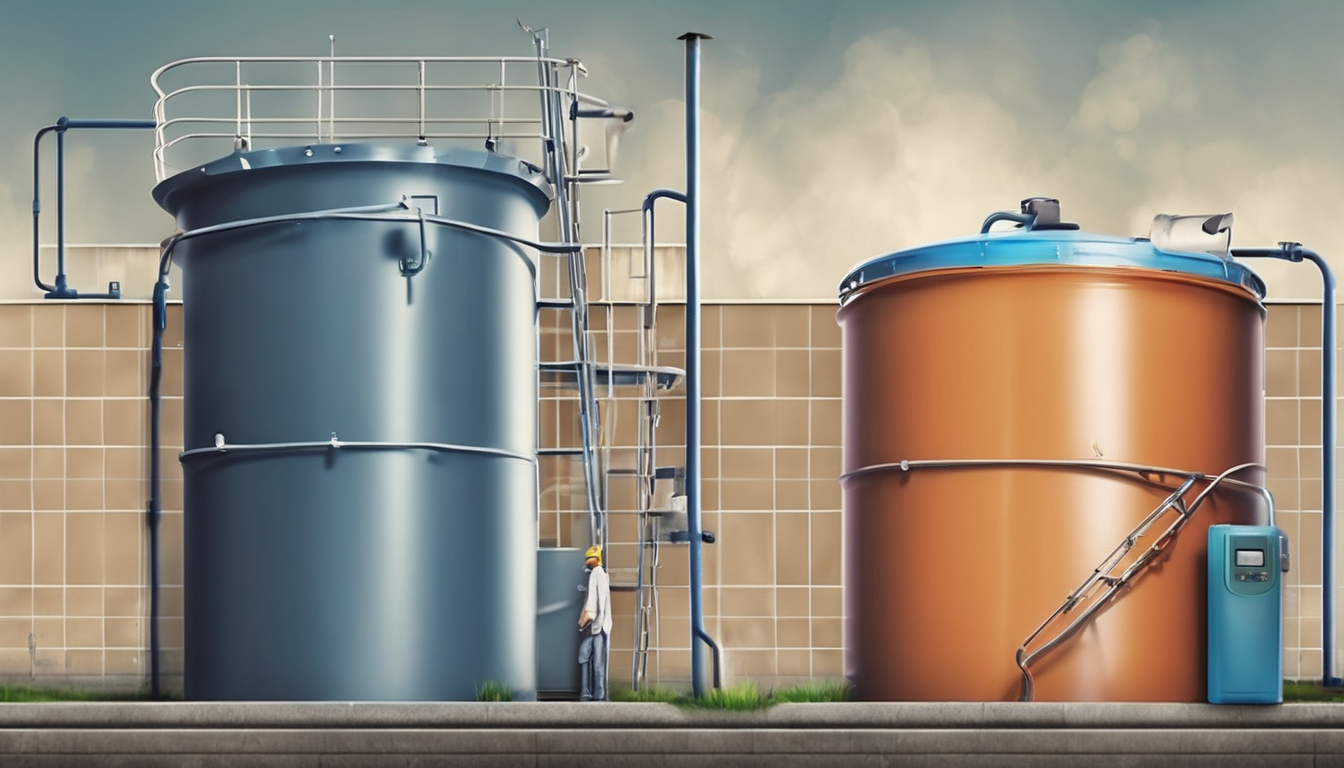
Underground water tanks are typically used in residential areas, especially for villas and large properties. These tanks store water below the ground surface, away from direct sunlight, which can help prevent algae growth. On the other hand, overhead water tanks are commonly found in high-rise buildings, apartment complexes, and commercial establishments. They are situated above ground or on rooftops, making them more accessible for cleaning and maintenance.
The choice between underground and overhead tanks often depends on the building’s layout, local regulations, and climate conditions. However, both types require regular cleaning to prevent contamination from sediment, biofilm, and other microorganisms that can affect water quality. This section delves into the specific cleaning procedures for each type of tank. This relates directly to Underground Vs Overhead Water Tank Cleaning: Key Differences.
Underground Vs Overhead Water Tank Cleaning: Key Differences – Cleaning Procedures for Underground Water Tanks
Underground water tanks are typically cleaned using a combination of manual labor, mechanical tools, and chemical treatments. The first step involves draining the tank to remove any accumulated sediment or biofilm. Once drained, technicians will use scrubbers, brushes, and high-pressure washers to clean the interior surfaces. This process is often followed by the application of approved disinfectants to ensure that all contaminants are neutralized.
Post-cleaning, it’s essential to thoroughly rinse the tank before refilling with fresh water. Regular inspections should be conducted to check for any signs of cracks or leaks. Given their location underground, these tanks may also require specialized equipment and techniques to access certain areas during cleaning operations. It is crucial to follow Dubai Municipality-approved procedures to ensure compliance with local health and safety regulations. When considering Underground Vs Overhead Water Tank Cleaning: Key Differences, this becomes clear.
Underground Vs Overhead Water Tank Cleaning: Key Differences – Cleaning Procedures for Overhead Water Tanks
Overhead water tanks, due to their elevated position, offer easier access compared to underground tanks. However, this accessibility also means that they are more susceptible to dust accumulation and direct sunlight exposure, which can promote algae growth. The cleaning process begins with draining the tank, followed by a thorough inspection for any visible debris or biofilm.
Once cleaned, overhead tanks may require additional steps such as chlorination or ozone treatment to maintain water quality. Proper rinsing is also necessary before refilling the tank to ensure that no chemicals remain in contact with drinking water. Overhead tanks often have easier access points and can be cleaned using a combination of manual labor and mechanical tools. However, due to their proximity to the building, it’s essential to take precautions against cross-contamination during cleaning operations. The importance of Underground Vs Overhead Water Tank Cleaning: Key Differences is evident here.
Risks and Considerations in Cleaning
Both underground and overhead water tanks pose unique challenges when it comes to cleaning. Underground tanks may require more specialized equipment due to their depth, while overhead tanks are susceptible to dust and direct sunlight exposure. It is crucial to assess these risks before commencing any cleaning operation.
Risks associated with cleaning include the potential for respiratory issues from chemical exposure or inhalation of dust particles. To mitigate these risks, it’s essential to wear appropriate protective gear such as masks, gloves, and safety goggles. Additionally, ensuring proper ventilation during cleaning operations is critical to prevent the accumulation of harmful gases. Understanding Underground Vs Overhead Water Tank Cleaning: Key Differences helps with this aspect.
Regular tank inspections can help identify potential issues early on, reducing the likelihood of contamination. It is also important to follow a strict schedule for cleaning based on usage patterns, seasonal changes, and local regulations. By addressing these risks proactively, you can ensure that your water tanks remain clean and safe for daily use.
Prevention Strategies: Before and After Cleaning
While regular cleaning is essential, taking preventive measures before and after cleaning operations can significantly reduce the risk of contamination. Here are some key strategies to consider: Underground Vs Overhead Water Tank Cleaning: Key Differences factors into this consideration.
- Regular Inspections: Conduct periodic inspections to check for cracks or leaks in both underground and overhead tanks. Early detection of issues can prevent potential water quality problems.
- Maintenance Scheduling: Develop a maintenance schedule based on the tank’s usage patterns, seasonal changes, and local regulations. This helps ensure that cleaning is performed at optimal intervals to maintain water quality.
- Proper Chemical Usage: Use Dubai Municipality-approved chemicals during cleaning operations to comply with health and safety standards. Follow manufacturer guidelines for safe application and dwell time to prevent cross-contamination.
Expert Tips for Water Tank Cleaning
Here are some expert tips to help you achieve the best results when cleaning your water tanks:
- Use Appropriate Equipment: Invest in high-quality tools and equipment designed specifically for water tank cleaning. Proper tools can significantly enhance the efficiency of the cleaning process.
- Follow Safety Protocols: Always adhere to safety protocols when performing cleaning operations, including wearing protective gear and ensuring proper ventilation.
- Document All Steps: Keep detailed records of all cleaning activities, including dates, chemicals used, and any observed issues. This documentation can be crucial for compliance and future reference.
Frequently Asked Questions (FAQs)
- How often should I clean my water tanks? The frequency of cleaning depends on the tank type, usage patterns, and local regulations. As a general rule, underground tanks may need more frequent cleaning due to their location and exposure to sediment.
- What are the risks associated with improper water tank cleaning? Improper cleaning can lead to cross-contamination, respiratory issues, and potential health hazards for building occupants. It is crucial to follow proper procedures to minimize these risks.
- Can I clean my water tanks myself, or should I hire a professional? While some basic maintenance tasks may be manageable, complex cleaning operations are best left to professionals with the necessary expertise and equipment. Hiring certified technicians ensures that your water tanks remain safe and compliant.
Conclusion on Underground vs. Overhead Water Tank Cleaning
Water tank cleaning is a critical aspect of maintaining clean, hygienic potable water for daily use in buildings across Dubai and the UAE. Understanding the differences between underground and overhead tanks can help you make informed decisions about how to best manage your water storage systems. By following the guidelines outlined in this guide, you can ensure that both types of tanks remain safe and effective for your family’s needs. Understanding Underground Vs Overhead Water Tank Cleaning: Key Differences is key to success in this area.