




—
Ensuring Compliance With Uae Regulations For Underground – Understanding Compliance Regulations for Underground Water S
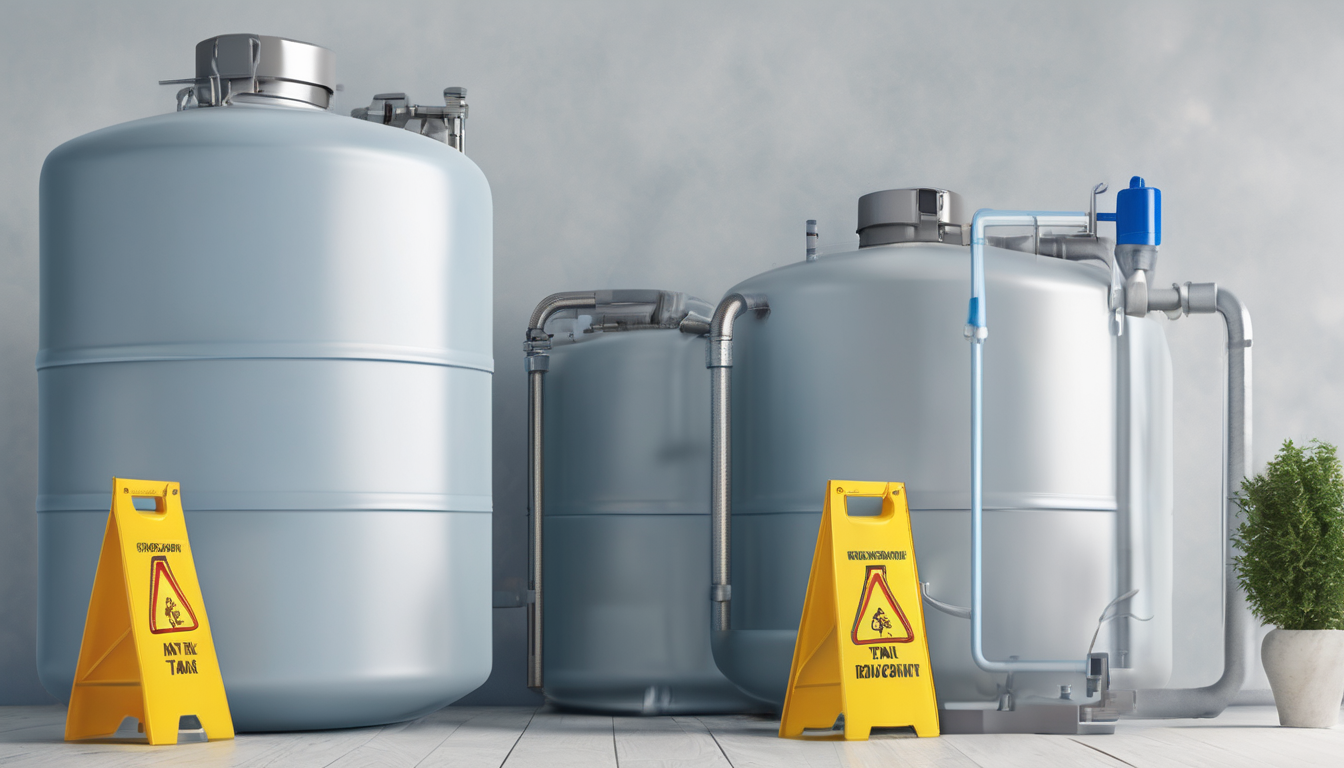
Ensuring compliance with UAE regulations for underground water storage tanks is crucial to maintaining the safety and quality of drinking water. The Dubai Municipality (DM) sets stringent standards to prevent contamination, protect public health, and ensure reliable water supply. Understanding these regulations helps property owners and managers implement effective maintenance practices.
Ensuring Compliance With Uae Regulations For Underground – Compliance Strategy Guide: A Step-by-Step Approach
Developing a comprehensive compliance strategy involves several key steps:
- Pre-cleaning Inspection: Conduct thorough inspections to identify any visible or potential issues before commencing cleaning.
- Cleaning and Disinfection: Use approved chemicals and methods to thoroughly clean and disinfect the tank, removing all contaminants.
- Rinsing and Refilling: Ensure proper rinsing to eliminate any residual chemicals or debris before refilling with treated water.
- Post-Service Inspection: Perform a final inspection to confirm that the tank is clean, safe, and free from contamination.
Ensuring Compliance With Uae Regulations For Underground – Implementing Safe Chlorination Techniques for Underground Ta
Cleaning alone is not enough; regular chlorination helps maintain water quality by preventing bacterial growth. Follow these steps to ensure safe and effective chlorination:
- Choose Approved Chemicals: Use DM-approved disinfectants to avoid any risks or non-compliance issues.
- Controlled Application: Apply the correct amount of chlorine, ensuring it has sufficient dwell time for maximum effectiveness.
- Monitoring and Record Keeping: Regularly test water quality and maintain detailed logs to demonstrate compliance with regulatory requirements.
Regular Maintenance Schedules for Underground Storage Systems
To ensure consistent compliance, establish a regular maintenance schedule that aligns with local regulations. Consider the following frequency guidelines:
| Property Type | Maintenance Frequency (Years) |
|---|---|
| Villas and Private Homes | 1-2 Years |
| High-Rise Apartments and Commercial Buildings | 6-8 Months |
| Schools, Nurseries, Clinics, and Hospitals | 3-4 Months |
Professional Cleaning Services and Their Role in Compliance
Hiring professional cleaning services can significantly enhance compliance efforts. Key benefits include:
- Expert Knowledge: Professionals have the expertise to use correct chemicals and methods, ensuring thorough cleaning.
- Compliance Tracking: They maintain detailed records of service history, demonstrating regulatory compliance.
- Risk Management: Professional services minimize risks associated with improper cleaning techniques or chemical application.
Tips for Ensuring Compliance Success
To ensure successful compliance, follow these practical tips:
- Stay Informed: Regularly review DM guidelines and updates to stay current with regulatory changes.
- Regular Inspections: Conduct regular internal inspections to identify issues early and address them before they become major problems.
- Customer Education: Inform your tenants or employees about the importance of water quality and the steps being taken to maintain it.
FAQ Section: Addressing Common Concerns
- Q: How do I know if my underground tank is compliant?
- A: Regular inspections by professional services and adherence to DM guidelines will help ensure compliance.
- Q: What are the risks of non-compliance?
- A: Non-compliance can lead to contaminated water, health issues, and potential legal penalties.
- Q: How often should I clean my underground tank?
- A: The frequency depends on usage and local regulations, but typically every 6-12 months for residential properties.
Conclusion
In conclusion, ensuring compliance with UAE regulations for underground water storage tanks is essential to protecting the health of your family and employees. By following a comprehensive strategy that includes regular cleaning, safe chlorination, and professional maintenance services, you can maintain high-quality drinking water while adhering to regulatory standards.