



Understanding How Often Should You Clean Your Residential Water Tank?
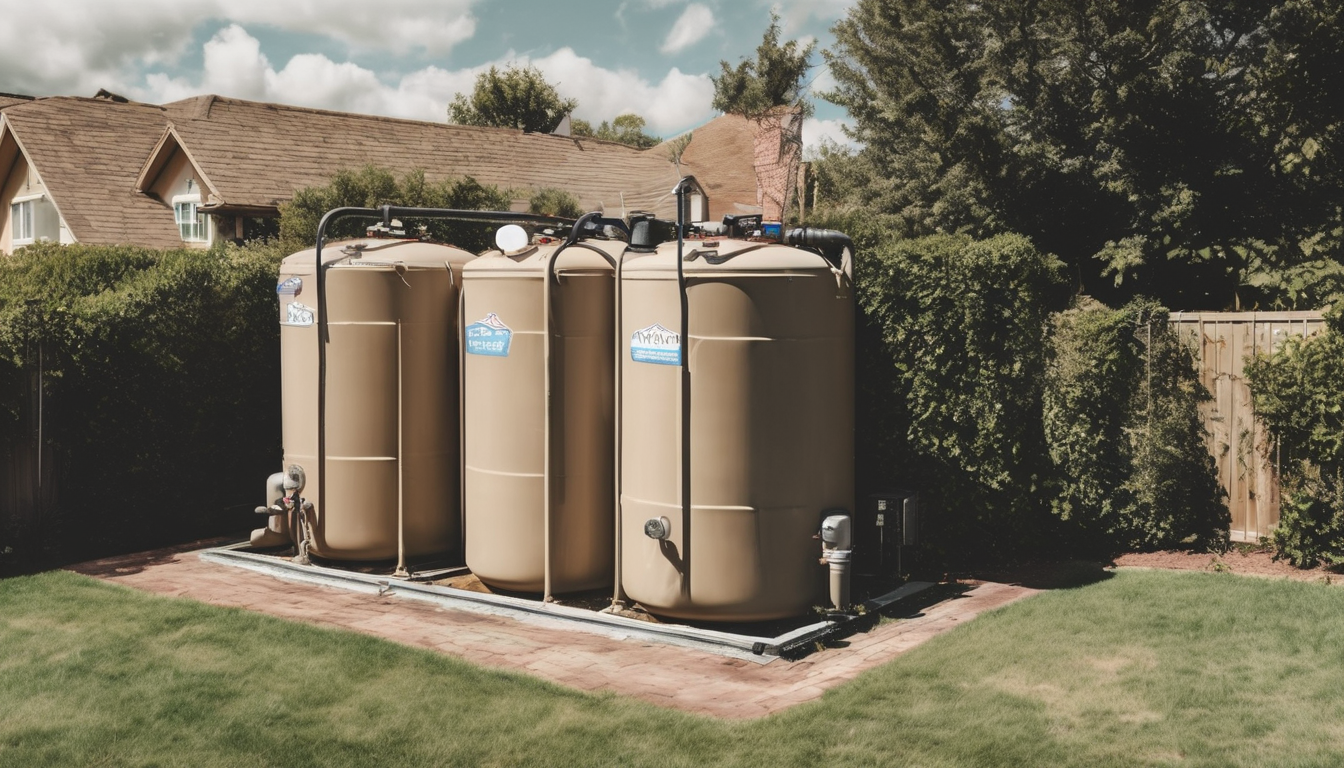
Regular residential water tank cleaning is essential for protecting family health. In Dubai’s climate, where high heat and dust are common, water tanks can accumulate contaminants that pose significant health risks. This article will help you determine the appropriate frequency of tank cleaning based on your home’s specific needs.
How Often Should You Clean Your Residential Water Tank – The Importance of Regular Cleaning
Regular cleaning prevents sediment buildup, algae growth, and biofilm formation in water tanks. These factors can compromise water quality, leading to unpleasant tastes, odors, and potential health issues for your family. Proper tank maintenance ensures that your drinking water remains clean and safe.
Sediment Buildup
Over time, sediment accumulates at the bottom of water tanks due to mineral deposits and organic matter. Regular cleaning removes this debris, which can otherwise seep into the water supply and cause blockages or taste issues.
How Often Should You Clean Your Residential Water Tank – Common Cleaning Intervals for Residential Water Tanks
There’s no one-size-fits-all answer to how often you should clean your residential water tank. However, based on industry standards and local conditions in Dubai, here are common intervals:
- Every 6 months: For typical villas or apartments where there is minimal water usage.
- Annually: Recommended for high-rise buildings with frequent water flow.
- Biannually: Suitable for older tanks or areas with high mineral content in the water supply.
Comparison of Regular vs. Preventive Cleaning
- Regular Cleaning: Scheduled tank cleaning at set intervals, regardless of visible signs of contamination.
- Preventive Cleaning: Tank cleaning based on water quality tests and risk assessments.
Pros and Cons
- Pros: Ensures consistent hygiene, minimizes risks of contamination.
- Cons: May be unnecessary if water quality is consistently good, can lead to overuse of chemicals.
Pros and Cons
- Pros: Targeted cleaning based on actual need, uses resources more efficiently.
- Cons: Requires regular water quality testing, may miss minor issues if not done properly.
The Role of Chlorination in Water Tank Cleaning
Chlorination is a key step in ensuring safe water storage. Proper chlorination can kill bacteria and other pathogens, but it must be performed correctly to avoid overchlorination or underchlorination.
Safe Chlorination Procedures
- Use DM-approved disinfectants.
- Follow recommended dwell times for effective disinfection.
- Ensure thorough rinsing and refilling after treatment.
Conclusion
The frequency of water tank cleaning depends on various factors, including the home’s age, location, and usage. Regular and preventive cleaning are both important strategies to maintain safe drinking water in Dubai homes. By understanding these factors and implementing appropriate maintenance practices, you can ensure that your family enjoys clean, hygienic water throughout the year.