



—
TITLE—
Preventive Maintenance Plans for Long-Term Safety Guide for 12 Essential Results
—
META—
Implement preventive maintenance plans to ensure long-term safety of your water storage tanks. Discover how regular cleaning and disinfection protect family health.
—
EXCERPT—
Regular preventive maintenance is crucial for ensuring the safety and quality of stored water, especially in high-rise buildings and villas. This guide will walk you through creating a comprehensive plan that keeps your water storage systems hygienic all year round.
—
CONTENT—
Understanding Preventive Maintenance Plans for Long-Term Safety
Preventive maintenance plans are crucial in safeguarding the long-term safety and quality of stored water. These plans are designed to minimize the risks associated with contamination, ensuring that your family’s daily water use remains clean and hygienic. In Dubai, Abu Dhabi, Sharjah, and other regions, where high temperatures and frequent dust storms pose unique challenges, regular maintenance is not just a suggestion—it’s essential.
Preventive Maintenance Plans For Long-term Safety – Seasonal Maintenance Schedules
Dubai’s climate varies significantly between seasons. Winter months often see low humidity levels, while summer brings extreme heat and the risk of algae growth. Here’s how to tailor your maintenance schedule:
- Winter: Focus on internal inspections and minor cleanings.
- Spring: Perform deeper cleaning and check for any leaks or damage due to winter weather.
- Summer: Prioritize chlorination and disinfection to combat algae growth.
- Fall: Conduct final inspections before the start of another round of maintenance.
Preventive Maintenance Plans For Long-term Safety – Water Tank Cleaning and Disinfection
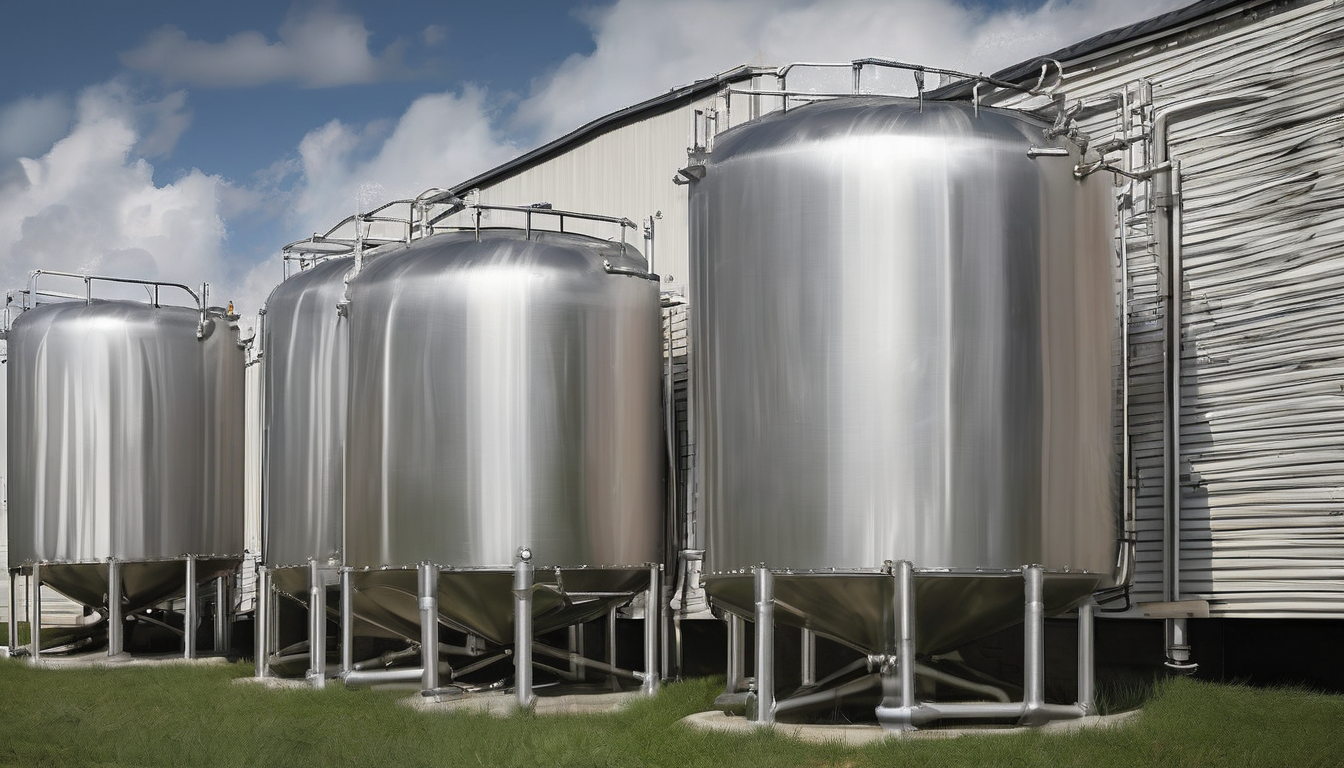
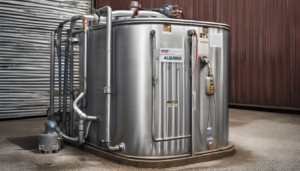
Regular cleaning and disinfection are at the core of any preventive maintenance plan. For aluminum water tanks, specific techniques must be employed to avoid damaging the tank’s structure while ensuring thorough hygiene.
Aluminum water tanks require a methodical approach that balances effectiveness with safety. Chlorine-based disinfectants are commonly used but must adhere to strict guidelines to prevent corrosion.
Step-by-Step Aluminum Tank Cleaning
- Drain the tank: Ensure all water is removed before beginning any cleaning process.
- Clean the interior: Use a soft brush or vacuum to remove sediment and debris.
- Apply disinfectant: Follow manufacturer guidelines for the appropriate amount of chlorine-based solution.
- Rinse thoroughly: Once the required dwell time has passed, flush the tank with clean water to remove all chemicals.
Detecting Contaminants in Aluminum Water Tanks
Regular inspections are essential for early detection of potential issues. Here’s what you should look out for:
- Visible sediment or discolouration.
- Strange odors or tastes.
- Algae growth or biofilm formation.
If any of these signs are present, it may indicate contamination that needs immediate attention. For instance, a strong metallic taste could suggest corrosion, which can compromise the safety and quality of stored water.
Safe Chlorination Methods for Aluminum Tanks
Chlorine is widely used in Dubai to disinfect water storage tanks due to its effectiveness. However, it must be handled carefully to avoid damaging the tank’s structure. This relates directly to Preventive Maintenance Plans For Long-term Safety.
Key Points:
- Use DM-approved chemicals: Always use chlorine solutions that are approved by the Dubai Municipality.
- Dwell time: Ensure that the disinfectant remains in contact with surfaces long enough to be effective. Typically, this is around 24-48 hours.
- Proper rinse: After the dwell period, flush the tank thoroughly with clean water to remove all residual chemicals.
Chlorination Tips for Aluminum Tanks
- Check pH levels: Ensure that the pH level is within a safe range before applying chlorine. This can prevent unnecessary stress on the tank.
- Monitor usage: Keep track of water consumption to avoid over-chlorination, which can lead to taste issues and corrosion.
Proper Rinse Techniques After Aluminum Tank Cleaning
Effective rinsing is crucial in the final stages of cleaning. A thorough rinse ensures that all chemicals are removed from the tank, leaving behind only clean water.
Key Steps:
- Rinse multiple times: Use a minimum of three to five cycles to ensure all chemicals are flushed out.
- Pump out thoroughly: Allow the tank to drain completely before refilling. This prevents any residual chlorine from remaining in the system.
Expert Tips for Preventive Maintenance
Creating a comprehensive maintenance plan involves more than just cleaning and disinfection. Here are some practical tips to ensure long-term safety:
- Regular inspections: Schedule bi-annual or quarterly inspections to catch issues early.
- Daily water quality checks: Use simple test kits to monitor the pH and chlorine levels daily.
- Training: Educate all residents on basic maintenance tasks, such as how to identify leaks.
Frequently Asked Questions (FAQs)
- Q: How often should I clean my water tank?
A: For aluminum tanks, a minimum of twice a year is recommended. However, in high-risk areas, more frequent cleaning may be necessary.
- Q: Can I do the cleaning myself?
A: While DIY cleaning can be done for basic maintenance, professional assistance is recommended to ensure safety and effectiveness.
- Q: What are the signs of contamination?
A: Strange odors, tastes, or visible sediment in water are common signs. If you notice any of these, contact a professional immediately.
Conclusion
Implementing preventive maintenance plans for long-term safety is essential to protect the health and well-being of your family. Regular cleaning, disinfection, and inspections are key steps in ensuring that stored water remains clean and hygienic. By following these guidelines, you can create a robust plan tailored to your specific needs.
—
TAGS—
water tank cleaning, preventive maintenance plans, long-term safety, aluminum tanks
—
ALT_TEXT—
Preventive Maintenance Plans for Long-Term Safety – A guide on maintaining clean and safe water storage systems in residential buildings and villas.