


Introduction
Understanding Ensuring Hygiene In Exotic Garden Water Features is essential. Exotic garden water features can range from small decorative fountains to large ponds that support a variety of plants and aquatic life. These features not only enhance the beauty of your private terrace or pool area but also provide habitats for insects, algae, and bacteria. The presence of such organisms can pose health risks if left unchecked.
Table of Contents
- Understanding Exotic Garden Water Features
- Hygiene Challenges and Contaminants
- Scheduling Regular Cleaning and Disinfection
- Safe Chemical Use for Disinfection
- Preventing Contamination and Biofilm Formation
- Maintenance Checklist for Hygienic Water Features
- Expert Tips on Ensuring Hygiene in Exotic Garden Water Features
- FAQ: Ensuring Hygiene in Exotic Garden Water Features
- Conclusion on Ensuring Hygiene in Exotic Garden Water Features
Understanding Exotic Garden Water Features
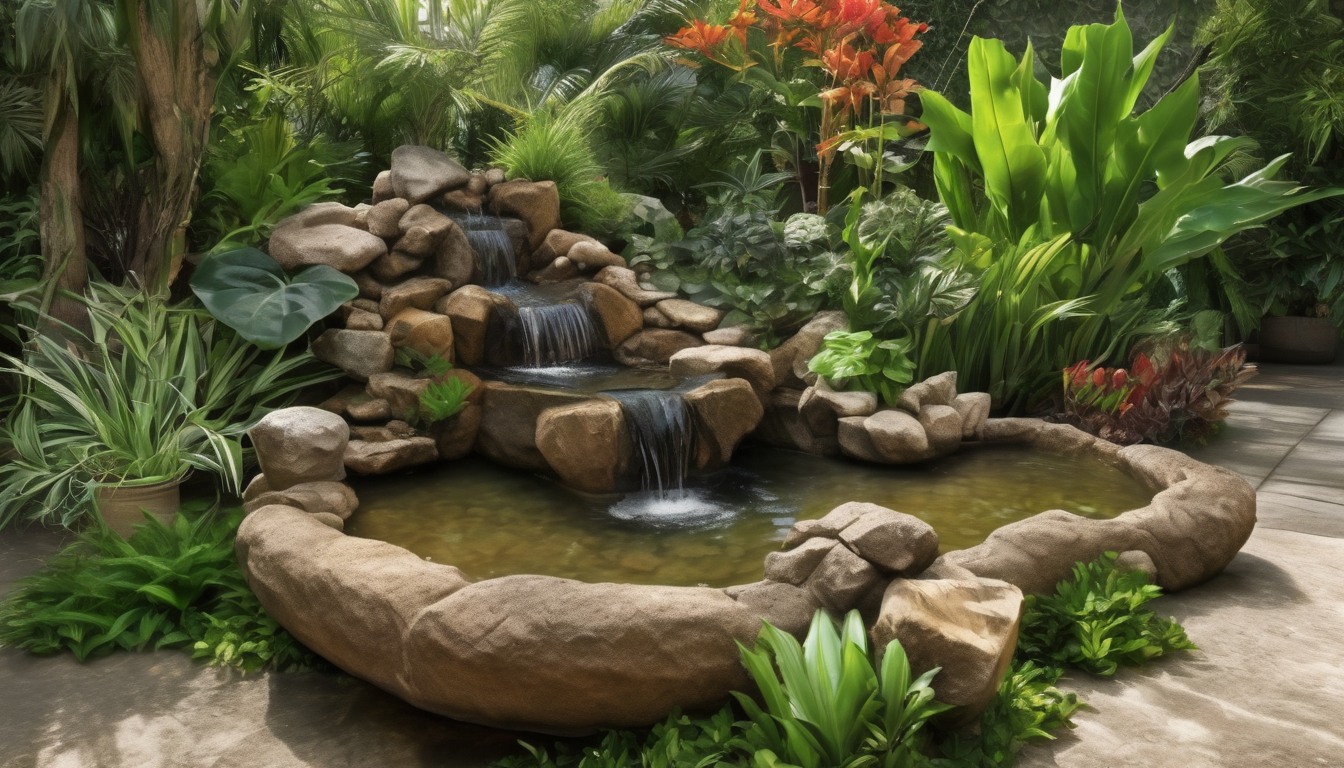
Exotic garden water features can range from small decorative fountains to large ponds that support a variety of plants and aquatic life. These features not only enhance the beauty of your private terrace or pool area but also provide habitats for insects, algae, and bacteria.
Common Types of Exotic Garden Water Features:
- Fountains – Designed to circulate water through jets, sprays, or streams
- Ponds – Larger bodies of water that may house fish, plants, and other aquatic life
- Waterfalls – Natural or man-made structures that channel water from one level to another
- Bog gardens – Small areas filled with soil and peat moss where water collects naturally
Hygiene Challenges and Contaminants
When maintaining exotic garden water features, unique hygiene challenges can lead to the growth of harmful contaminants:
Common Issues:
- Bacterial Growth – Bacteria thrive in warm, moist environments and can cause illnesses when ingested or come into contact with skin
- Algal Bloom – Excessive sunlight and nutrients lead to algae proliferation, which discolors water and releases toxins
- Insect Infestations – Mosquitoes, gnats, and other insects lay eggs in standing water
- Mold and Mildew – These fungi grow on surfaces exposed to moisture and contribute to poor air quality
Scheduling Regular Cleaning and Disinfection
To ensure the hygiene of exotic garden water features, establishing a regular cleaning schedule is essential:
Cleaning Frequency Factors:
- Water Feature Type – Fountains require less maintenance compared to larger ponds
- Usage Frequency – Higher usage areas need more frequent cleaning
- Environmental Conditions – High temperatures or abundant sunlight require more regular maintenance
Recommended Schedule for Exotic Garden Water Features:
- Fountains – Clean every 3-6 months
- Ponds – Clean every 2-4 months, with additional partial cleanings as needed
- Bog Gardens – Regularly check and remove standing water; clean annually if necessary
For precise cleaning schedules, consult a professional who can assess the specific needs based on type and location.
Safe Chemical Use for Disinfection
Water Treatment Systems in Exotic Garden Water Features
Implementing water treatment systems is a proactive approach to maintaining hygiene:
System Functions:
- Filtration – Removing particulate matter, debris, and larger organisms
- Disinfection – Killing bacteria, viruses, and other harmful microorganisms
- pH Balancing – Adjusting pH levels to prevent contaminant growth
Popular Water Treatment Systems:
- Filtration Systems – Mechanical (sand, cartridge) or biological (living organisms)
- Disinfection Systems – Chlorine-based solutions, ozone treatments, and ultraviolet light
- pH Adjusters – Chemicals that maintain optimal water levels
Selection Considerations for Exotic Garden Water Features:
- Size of your water feature
- Budget for installation and ongoing maintenance
- Local regulations regarding chemical use and discharge
Preventing Contamination and Biofilm Formation
Biofilms are communities of microorganisms that adhere to surfaces in exotic garden water features. Preventing biofilm formation is crucial:
Prevention Methods:
- Regular Cleaning – Remove debris, algae, and other organic matter
- Water Flow Management – Ensure proper circulation to prevent stagnation
- Sealant Application – Use appropriate sealants to minimize microbial attachment
Additional Risk Reduction Steps:
- Monitor Water Quality – Regularly test for pH levels, alkalinity, and other parameters
- Use UV Light – Install ultraviolet light systems to kill microorganisms
- Implement Bacterial Filters – Use filters designed specifically to remove bacteria
Maintenance Checklist for Hygienic Water Features
To ensure your exotic garden water features remain hygienic, maintain a regular checklist:
Weekly Tasks:
- Check for visible debris and remove promptly
- Inspect water level; top up if necessary to prevent stagnation
Monthly Tasks:
- Clean filters according to manufacturer instructions
- Test pH levels and adjust as needed
Semi-Annual Tasks:
- Perform partial cleaning of water feature
- Scrub surfaces where necessary
- Clean or replace biological filters
Annual Tasks:
- Deep clean and disinfect entire water feature
- Inspect all components for signs of wear or damage
Expert Tips on Ensuring Hygiene in Exotic Garden Water Features
When maintaining exotic garden water features, follow these expert recommendations:
- Use Potable Water – Whenever possible, use clean, potable water to reduce risk of introducing harmful contaminants
- Regular Inspections – Conduct regular inspections to identify potential issues early
- Choose the Right Chemicals – Use only DM-approved chemicals for disinfection. Overuse or misuse can be harmful
- Train Staff Properly – Ensure staff are trained in proper hygiene practices and chemical handling
- Consult Professionals – For complex systems or large-scale projects, consult experienced professionals
- Seasonal Adjustments – Modify maintenance based on seasonal changes
- Document Maintenance – Keep detailed records of all cleaning and treatment activities
- Monitor Wildlife – Track fish and plant health as indicators of water quality
- Emergency Protocols – Establish procedures for urgent contamination issues
FAQ: Ensuring Hygiene in Exotic Garden Water Features
Q1: How often should I clean my exotic garden water feature? A1: The frequency depends on type and size. Fountains can be cleaned every 3-6 months, while larger ponds may require more frequent cleaning to maintain hygiene in exotic garden water features.
Q2: What are some signs that indicate a need for cleaning or disinfection? A2: Signs include visible debris, cloudy water, foul odors, and the presence of algae. Regular inspections can help catch issues early.
Q3: Can I use household bleach to clean my exotic garden water feature? A3: While household bleach is effective for disinfection, it should be used with caution. Always follow manufacturer instructions and ensure proper rinsing to avoid residue buildup.
Q4: How can I prevent mosquito breeding in my water features? A4: Maintain proper water circulation, use biological controls like fish, and consider mosquito dunks approved for use in exotic garden water features.
Q5: What’s the best way to control algae growth? A5: Limit sunlight exposure, maintain proper chemical balance, use algaecides approved for your specific water feature type, and ensure adequate filtration.
Conclusion on Ensuring Hygiene in Exotic Garden Water Features
Ensuring the hygiene of exotic garden water features is vital for maintaining a safe and enjoyable environment, both aesthetically and health-wise. By implementing regular cleaning schedules, using appropriate chemicals, installing effective water treatment systems, and following preventive measures, you can keep your private terrace or pool area free from contaminants.
Remember that proper maintenance is an ongoing process, requiring dedication and attention to detail. Consult professionals when necessary to ensure that your exotic garden water features meet the highest hygiene standards. With these steps in place, you can enjoy a clean and hygienic space throughout the year.
Understanding Ensuring Hygiene In Exotic Garden Water Features is key to success in this area. The investment in proper maintenance protects your family’s health, preserves the beauty of your outdoor space, and ensures compliance with local regulations in Dubai and the UAE.