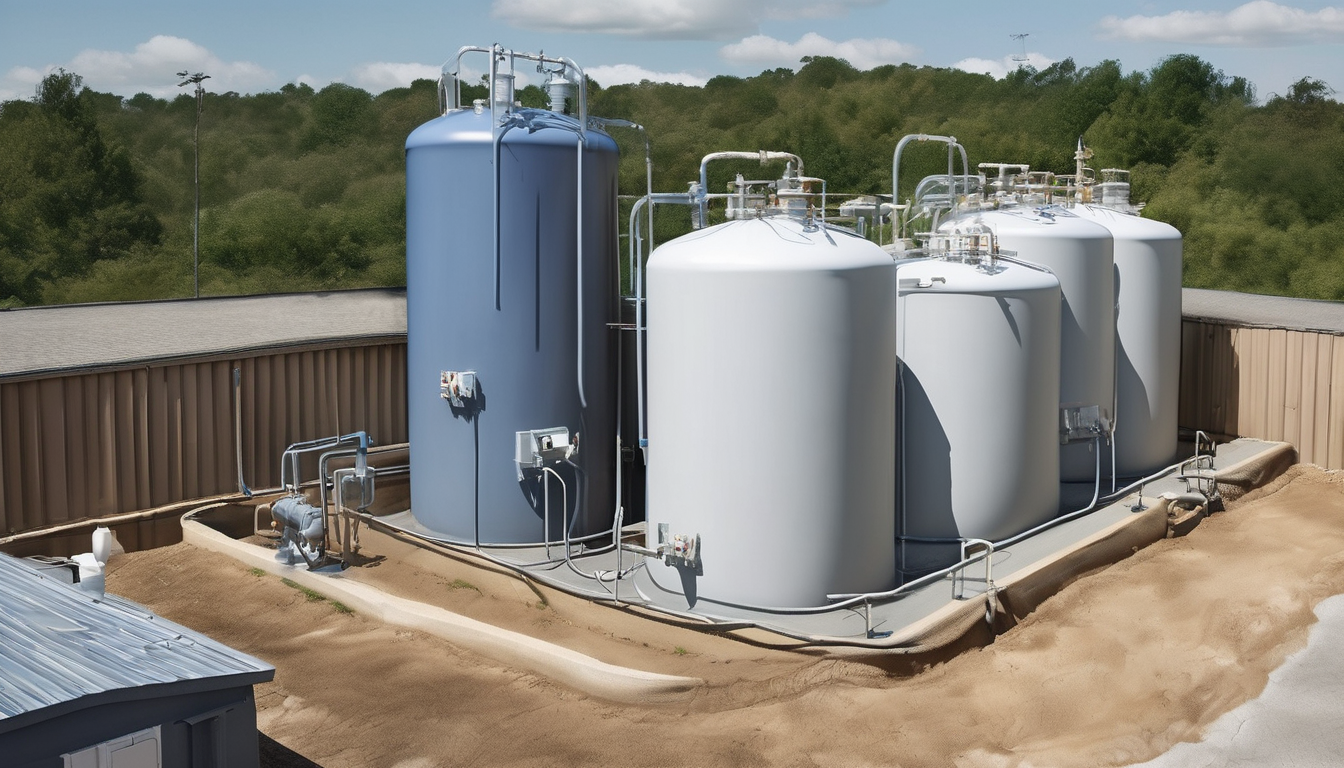








Understanding The Best Tank To Store Water In is essential. Water is a precious resource that should be stored safely to prevent contamination and ensure its quality remains high. The choice of the best tank to store water depends on several factors including material, size, location, and specific needs. This comprehensive guide will help you understand what makes an ideal storage tank and how to maintain it effectively.
Understanding What Is the Best Tank to Store Water In?
When selecting a water storage tank, it’s important to consider several factors that contribute to its effectiveness in maintaining clean and safe drinking water. The tank should be able to withstand various environmental conditions, provide long-term durability, and ensure proper hygiene.
Tank Materials
Popular materials used for Water Storage tanks include GRP (Glass Reinforced Plastic), Concrete, stainless steel, and PVC (Polyvinyl Chloride). Each material has its advantages and disadvantages which will be explored in detail later in this guide. This relates directly to The Best Tank To Store Water In.
The Best Tank To Store Water In: Types of Water Storage Tanks
Water storage tanks can be classified based on their location: underground or overhead. Both types have unique characteristics that influence their suitability for different applications.
Underground Tanks
- Pros: Protects against UV radiation, reduces heat absorption, and minimizes evaporation losses.
- Cons: Difficult to access for cleaning, may require additional structural support in certain soil conditions.
Overhead Tanks
- Pros: Easy to clean and inspect, reduces the risk of contamination from ground pollutants.
- Cons: Susceptible to UV radiation, heat absorption, and evaporation losses. May require additional cooling systems in hot climates like Dubai.
The Best Tank To Store Water In – Material Selection: GRP, Concrete, Stainless Steel, and PVC
The material of the tank is crucial as it determines its durability, chemical resistance, and maintenance requirements. Let’s explore each option: When considering The Best Tank To Store Water In, this becomes clear.
GRP Tanks (Glass Reinforced Plastic)
- Pros: Lightweight, corrosion-resistant, easy to clean.
- Cons: Higher initial cost compared to other materials, may require regular inspections for cracks and leaks.
Concrete Tanks
- Pros: Low-cost, widely available, can be customized in size and shape.
- Cons: Heavy, susceptible to cracking over time, may require more frequent maintenance for cracks and leaks.
Stainless Steel Tanks
- Pros: Highly durable, corrosion-resistant, aesthetically pleasing.
- Cons: Higher initial cost, may require professional installation and maintenance.
PVC Tanks (Polyvinyl Chloride)
- Pros: Lightweight, easy to install, cost-effective.
- Cons: May not be suitable for long-term storage due to potential chemical interactions with water, requires regular monitoring for integrity issues.
Tank Size and Capacity
The size of the tank is critical in determining how much water can be stored and for what duration. Factors such as daily water consumption, local regulations, and storage needs should influence your choice:
- Residential Tanks: Typically 500-1000 liters to accommodate small families or single-story homes.
- Commercial Tanks: Can range from 2000 liters for small businesses up to 30,000 liters for large enterprises with high water demands.
Location and Installation Considerations
The placement of the tank can greatly affect its performance. Proper installation ensures easy maintenance, reduces risk of contamination, and maximizes storage efficiency: The importance of The Best Tank To Store Water In is evident here.
- Underground Tanks: Should be located away from areas prone to flooding or structural instability.
- Overhead Tanks: Must have adequate clearance for cleaning access and should be placed in a location with minimal exposure to direct sunlight and heat.
Chemical Resistance and Compliance
The tank material must be compatible with the water being stored. Proper chemical resistance is essential to prevent any harmful substances from leaching into the water:
- GRP Tanks: Suitable for most potable water applications.
- Concrete Tanks: Require specialized coatings or liners to ensure safety and compliance with local health regulations.
- Stainless Steel Tanks: Highly recommended for storing water, especially in areas with high mineral content which can cause corrosion in other materials.
- PVC Tanks: Not typically used for potable water storage due to potential chemical interactions and lack of durability over time.
Maintenance Strategies for Water Storage Tanks
Maintaining the tank is crucial in ensuring its longevity and functionality. Regular cleaning, inspection, and disinfection are key:
- Regular Cleaning: Schedule routine inspections every 6 to 12 months depending on local regulations.
- Disinfection: Use approved chemicals according to Dubai Municipality guidelines to prevent bacterial growth and ensure water quality.
- Inspection: Check for any signs of damage, leaks, or contamination during each inspection. Address issues immediately to avoid costly repairs.
Water Quality Testing and Filtration Systems
Testing the water quality regularly helps in identifying potential contaminants early on and ensures compliance with health and safety standards:
- Regular Tests: Conduct water tests at least once a year, or more frequently if contamination risks are high.
- Filtration Systems: Install appropriate filtration systems to remove impurities and improve taste and smell of the stored water. Examples include activated carbon filters, reverse osmosis systems, and UV sterilizers.
Tips for Best Practice Storage Tank Management
To ensure your water storage tank is operating efficiently and safely, consider these expert tips:
- Choose a Reputable Supplier: Work with certified suppliers who can provide warranty and after-sales support.
- Careful Installation: Ensure the tank is installed by professionals to avoid any structural issues or leaks.
- Proper Location: Place the tank in a cool, shaded area away from direct sunlight. This helps reduce temperature fluctuations that can affect water quality.
- Regular Monitoring: Keep an eye on the tank’s performance and address any unusual changes immediately to prevent larger issues down the line.
Frequently Asked Questions (FAQs)
- Q: How often should I clean my water storage tank?
- A: Clean your tank every 6 to 12 months, or as recommended by local health authorities. This helps prevent sediment buildup and ensures water safety.
- Q: What are the signs that indicate a need for tank cleaning?
- A: Look out for visible dirt or sediment in taps, unusual taste or smell of water, discolored or cloudy water, and skin irritation issues. These could be signs that your tank needs attention.
- Q: Can I use any chemicals to clean my storage tank?
- A: Use only chemicals approved by Dubai Municipality for safe disinfection. Using the wrong products can harm water quality and health.
Understanding The Best Tank To Store Water In helps with this aspect.
Conclusion
Selecting and maintaining a proper water storage tank is vital to ensuring your family’s health and daily well-being. By understanding the factors that influence tank selection, choosing the right material, size, and location, and implementing regular maintenance practices, you can enjoy clean, safe, and reliable drinking water. Understanding The Best Tank To Store Water In is key to success in this area.