






—
TITLE—
Step-by-Step Guide to Manual Water Tank Cleaning Techniques – A Comprehensive Approach for Safe and Hygienic water Storage
—
META—
A comprehensive guide on how to manually clean water tanks, ensuring safe drinking water. Learn manual techniques, chlorination methods, and post-cleaning tips. This relates directly to Step-by-step Guide To Manual Water Tank Cleaning Techniques.
—
EXCERPT—
Water tank cleaning is a crucial step in maintaining your family’s health and safety. This article provides a detailed step-by-step guide for manual water tank cleaning, covering essential techniques, best practices, and key considerations to ensure hygienic storage of potable water.
—
—
CONTENT—
Understanding the Step-by-Step Guide to Manual Water Tank Cleaning Techniques
Regular water tank cleaning is essential for maintaining a safe and hygienic supply of drinking water. This guide outlines the steps involved in manually cleaning water tanks, ensuring that all surfaces are free from contaminants and biofilm.
Manual Water Tank Cleaning: Key Components
Water tanks need to be cleaned regularly to prevent the buildup of sediment, algae, and other contaminants. This guide covers essential steps for effective manual cleaning.
Step-by-step Guide To Manual Water Tank Cleaning Techniques – Preparation and Risk Assessment: A Crucial Pre-Cleaning Stag
Before starting the cleaning process, it is vital to assess potential risks and prepare adequately.
Firstly, ensure that you have all necessary tools and equipment. These typically include:
- Gloves and protective clothing
- Bucket or container for collecting waste
- Water hose with a nozzle attachment
- Rubber gloves and mask (if needed)
- Disinfectant solution (such as chlorine bleach)
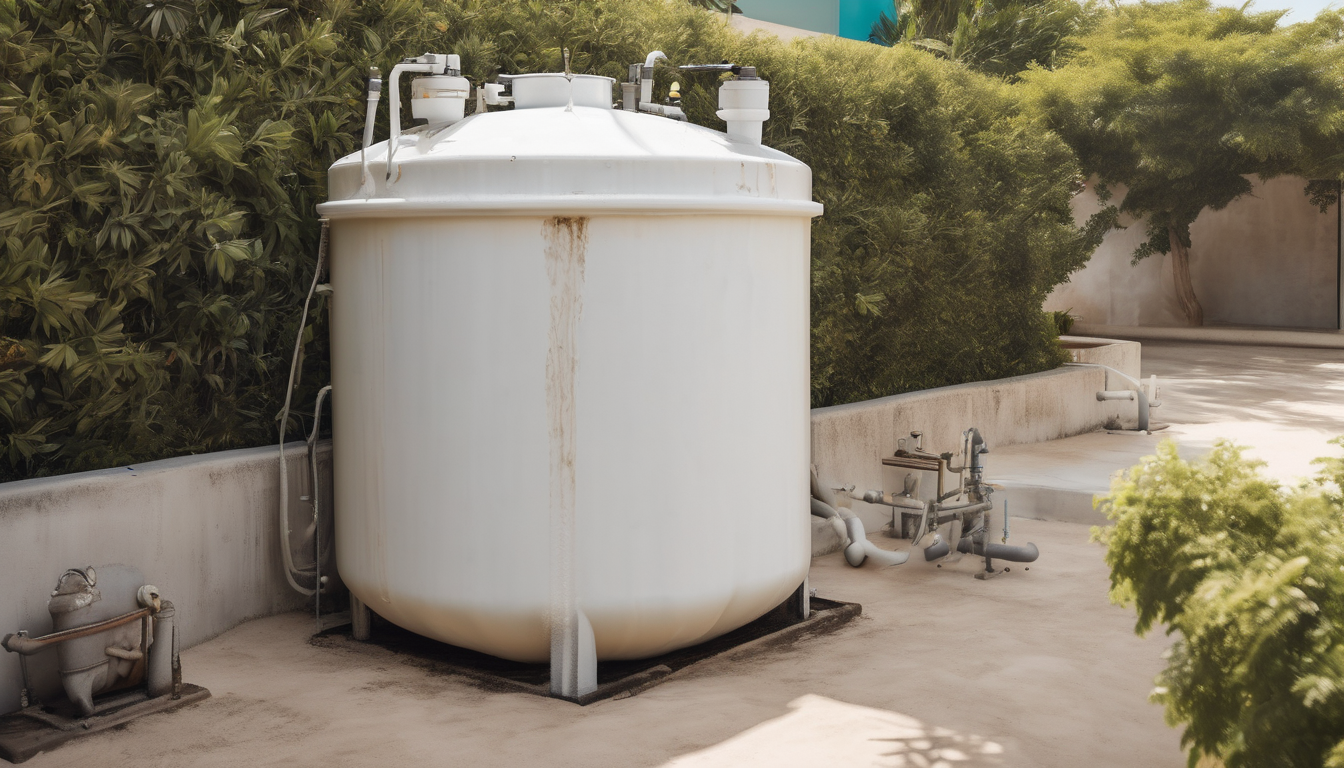
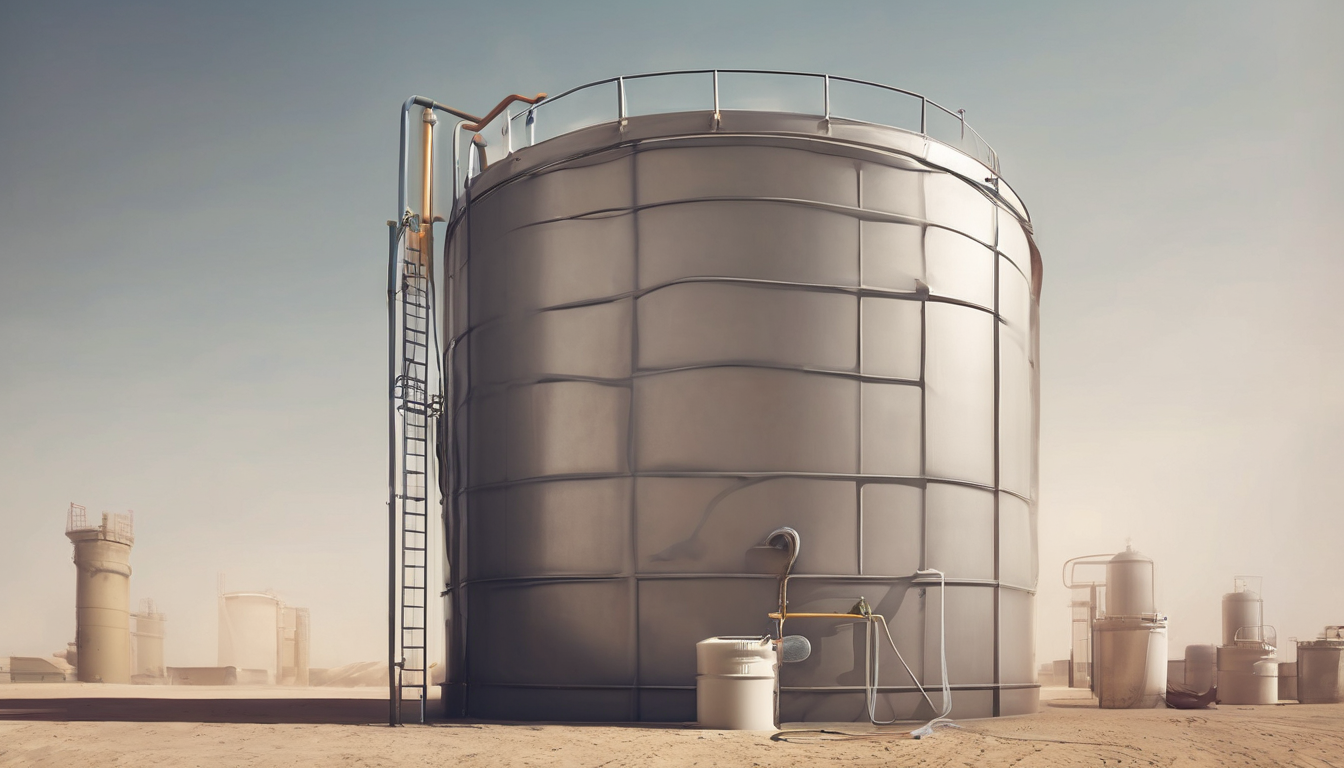
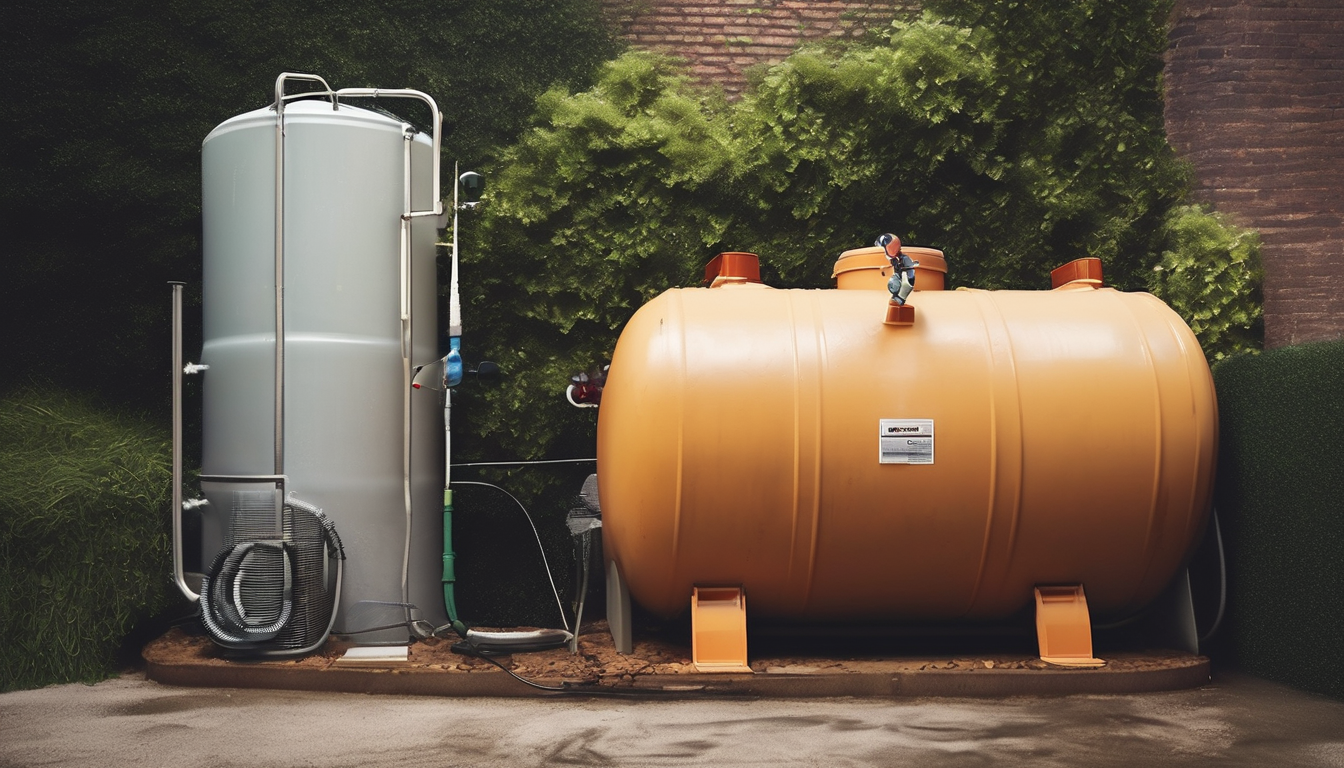
It is also crucial to familiarize yourself with the tank’s structure, including its location, size, and any potential hazards. Always follow safety guidelines provided by Dubai Municipality.
Step-by-step Guide To Manual Water Tank Cleaning Techniques – Draining the Tank Safely and Effectively
Properly draining the tank before cleaning is a critical step in ensuring that no contaminants are left behind.
Locate the drain valve at the bottom of the tank. Open it slowly to avoid splashing or overflow.
- Start by opening the drain valve and allowing water to flow out for several minutes.
- If there is a significant amount of sediment, you may need to use a siphon hose to ensure complete drainage.
- Once all water has drained, close the valve securely.
Cleaning Interior Surfaces: Removing Sediment and Biofilm
Interior surfaces of the tank should be thoroughly cleaned to remove sediment, biofilm, and other contaminants.
Using a bucket or container, fill it with water from another clean source.
- Mix in an appropriate amount of disinfectant according to manufacturer instructions. Typically, 10-25 ml of chlorine bleach per liter of water is sufficient for a residential tank.
- Using the hose and nozzle attachment, rinse all interior surfaces of the tank. Work from top to bottom, ensuring that every nook and cranny is cleaned.
- For stubborn areas or heavy buildup, use a soft-bristled brush to scrub gently but effectively.
Applying Disinfectant: Chlorine Dose Calculation for Safety
Disinfection is necessary to kill any bacteria and other microorganisms that may have accumulated in the tank.
Calculate the correct amount of chlorine based on the tank’s volume. For a residential tank, typically 10-25 ml of chlorine bleach per liter of water is sufficient.
- Add the calculated amount of disinfectant to the clean water in your bucket or container.
- Gently stir the mixture until it is well-dispersed throughout the solution.
- Pour this mixture into the tank and allow it to sit for at least 30 minutes. This dwell time ensures that all surfaces are properly disinfected.
Post-Cleaning and Rinsing: Ensuring Safe Water Quality
After disinfection, thorough rinsing is necessary to remove any residual chemicals.
Drain the tank again by opening the drain valve. This time, allow water to flow freely without using a siphon hose.
- Rinse the interior surfaces with clean water from another source.
- Check for any remaining sediment or biofilm and repeat rinsing if necessary.
- Close the drain valve securely once all water has drained.
Inspection and Maintenance Schedule: Keeping Tanks Hygienic Year-Round
Regular inspection and maintenance are essential to ensure ongoing hygienic conditions.
Inspect the tank for any cracks, leaks, or signs of contamination. Address these issues promptly to prevent further problems.
- Check the quality of water regularly by taking samples and sending them for testing if necessary.
- Schedule cleaning every 6-12 months depending on usage and local regulations.
Expert Tips for Owners: Practical Steps to a Clean Tank
Here are some practical tips for owners to ensure their water tanks remain clean and hygienic:
- Ensure that the tank is properly sealed to prevent dust, insects, or debris from entering.
- Keep the area around the tank clean and free of clutter.
- Regularly check for any signs of contamination or unusual water quality changes.
Frequently Asked Questions (FAQs)
- Q: How often should I clean my water tank?
A: Clean your water tank every 6-12 months, or as per local regulations and professional recommendations.
- Q: What are the signs of contamination in a residential water tank?
A: Signs include unusual odors, discoloration, sediment visible at the tap, or skin irritation after using the water. Regular inspections can help identify these issues early.
- Q: Can I use any type of disinfectant for cleaning my tank?
A: Use only DM-approved disinfectants to ensure compliance with local regulations. Chlorine bleach is a common choice, but always follow manufacturer instructions.
Conclusion
Manual water tank cleaning requires thorough preparation and attention to detail. By following this step-by-step guide, you can ensure that your water storage system remains clean, hygienic, and safe for drinking.
—
TAGS—
manual water tank cleaning techniques, chlorination methods, post-cleaning tips, water tank maintenance Understanding Step-by-step Guide To Manual Water Tank Cleaning Techniques is key to success in this area.