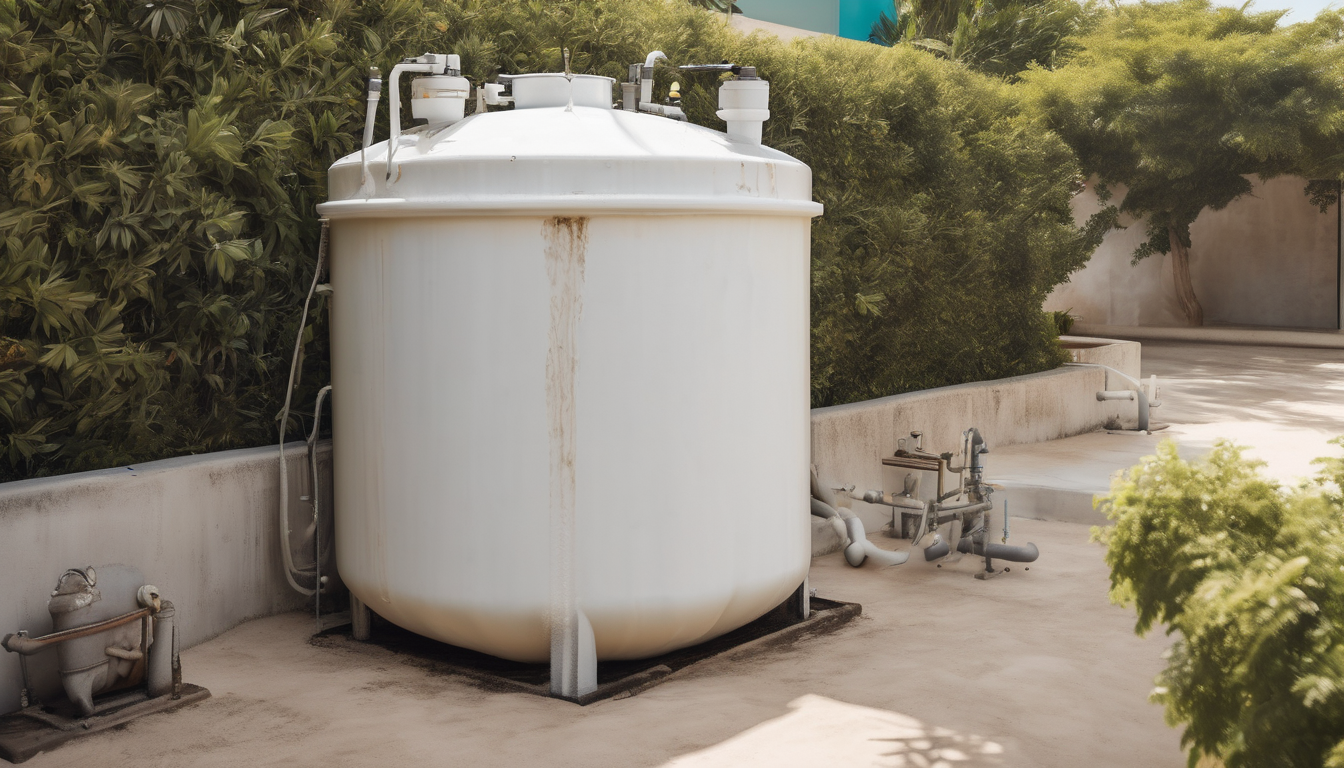







Understanding Choose The Right Chlorine Dose For Water Tank is essential. —
Introduction to Chlorine Dose for Water Tank
Ensuring the safety of drinking water is a top priority, especially in Dubai where high temperatures and prolonged periods without rainfall can lead to increased bacterial growth. Regular chlorination is an essential step in maintaining clean and safe water storage tanks. This guide will walk you through how to choose the right chlorine dose for your water tank. This relates directly to Choose The Right Chlorine Dose For Water Tank.
Understanding How to Choose the Right Chlorine Dose for Water Tank
Chlorine is a powerful disinfectant that effectively kills bacteria and other pathogens in water. However, it must be used correctly to avoid over-chlorination or under-chlorination, which can both pose risks to your family’s health. The importance of Choose The Right Chlorine Dose For Water Tank is evident here.
- Under-chlorination: Can lead to the growth of harmful microorganisms and algae.
- Over-chlorination: Can cause taste and odor issues in water, as well as potential health risks due to excessive chlorine levels.
The right dose depends on several factors, including tank capacity, type of water storage (underground or overhead), frequency of use, and the specific needs of your family or property. The key is finding a balance that ensures clean water without harmful side effects.
Choose The Right Chlorine Dose For Water Tank – Common Signs of Contamination in Residential Water Tanks
Before you start choosing a chlorine dose, it’s important to identify any signs of contamination in your water tank. These can include: When considering Choose The Right Chlorine Dose For Water Tank, this becomes clear.
- A foul smell or taste in the water.
- Sediment visible in taps or on shower heads.
- Visible algae growth or rust buildup inside the tank.
- Discoloration of the water, such as a brown or yellow tinge.
If you notice any of these signs, it’s crucial to take action and determine if chlorination is necessary. A professional inspection can help identify the specific contaminants and inform your choice of chlorine dose.
Testing and Assessment: Determining Your Chlorine Needs
To choose the right chlorine dose, you need accurate information about the current state of your water tank. This involves: Choose The Right Chlorine Dose For Water Tank factors into this consideration.
- Physical inspection: A visual check for signs of contamination as mentioned above.
- Water quality testing: Collecting samples from different points in the tank to test for bacteria, pH levels, and other contaminants. This can be done by a professional or using DIY kits available at local hardware stores.
The results of these tests will provide a clear picture of what kind of chlorine dose is needed to ensure safe drinking water. For instance, if your tank shows high bacterial growth, you may need a higher dose than in a cleaner environment. The importance of Choose The Right Chlorine Dose For Water Tank is evident here.
Dilution Rates and Application Techniques for Chlorine Dosing
Once you have determined the chlorine dose needed, it’s important to apply it correctly. Here are some key steps: This relates directly to Choose The Right Chlorine Dose For Water Tank.
- Dilute the chlorine solution: Mix the appropriate amount of chlorine with water according to manufacturer instructions.
- Application method: Pour the diluted chlorine into the tank through a designated opening or use a pump for overhead tanks. Ensure the solution reaches all corners and surfaces inside the tank.
The dilution rate will depend on the type of chlorine you are using and its strength. Always refer to the manufacturer’s guidelines for precise measurements and safety precautions.
Frequency of Chlorination Based on Water Tank Type
The frequency of chlorination can vary depending on the type of water tank and local conditions:
- Underground tanks: Typically require less frequent chlorination due to the cooler temperatures that inhibit bacterial growth. A biannual or quarterly schedule may be sufficient.
- Overhead tanks: Due to higher exposure to sunlight and heat, overhead tanks may need more frequent chlorination, such as every three months.
Regular inspections can help determine the exact frequency for your specific tank. This is especially important in Dubai, where the climate can significantly affect water quality over time.
Storage Considerations: Protecting Your Chlorine Solution
To ensure the effectiveness of your chlorine solution, proper storage is crucial:
- Sealed containers: Store the diluted chlorine in airtight containers to prevent evaporation and contamination.
- Sheltered location: Keep the containers away from direct sunlight and extreme temperatures to maintain their effectiveness.
Regularly checking the solution’s concentration can help you adjust your dosing as needed. This is especially important if the chlorine levels drop, which can occur over time due to evaporation or dilution with water in the tank. Understanding Choose The Right Chlorine Dose For Water Tank helps with this aspect.
Post-Treatment Inspection and Monitoring
After applying the chlorine solution, it’s essential to monitor the results:
- Absence of odors or tastes: Check for any signs that the chlorine has affected your water. A slight taste is normal but should not be overwhelming.
- Water clarity and appearance: Monitor the tank’s contents for any remaining visible contaminants. Clear, clean water indicates successful treatment.
If issues persist or new problems arise, a follow-up inspection by a professional may be necessary to adjust your chlorination strategy appropriately.
Expert Tips for Effective Chlorine Dosing in Water Tanks
- Consistency is key: Regular, consistent chlorination helps maintain safe water quality. Scheduling a routine every quarter can help keep your tank clean.
- Use DM-approved products: Dubai Municipality has specific guidelines for chlorine use in water tanks. Using approved products ensures compliance with local regulations and safety standards.
- Monitor pH levels: Chlorine effectiveness is influenced by the pH level of your water. Testing and adjusting as needed can optimize the disinfection process.
- Avoid cross-contamination: Keep the chlorination process separate from other maintenance tasks to avoid introducing new contaminants into the tank.
By following these tips, you can ensure that your water tank remains clean and safe for daily use. Regular checks and adjustments will help maintain optimal chlorine levels and protect your family’s health. Choose The Right Chlorine Dose For Water Tank factors into this consideration.
FAQ: Common Questions About Chlorine Dosing in Water Tanks
- Q: How often should I chlorinate my water tank?
- A: The frequency depends on your specific circumstances. For most residential tanks, a biannual or quarterly schedule is sufficient. However, overhead tanks may require more frequent treatment due to higher heat exposure.
- Q: What are the signs of over-chlorination?
- A: Over-chlorination can be identified by a strong, unpleasant taste and smell in the water. Some people may also experience skin or hair irritation after using such water.
- Q: Can I use any kind of chlorine for my water tank?
- A: It’s important to use Dubai Municipality-approved products, as these are designed specifically for local conditions and ensure compliance with health and safety regulations.
The importance of Choose The Right Chlorine Dose For Water Tank is evident here.
Conclusion: Ensuring Safe and Hygienic Drinking Water
Choosing the right chlorine dose for your water tank is a crucial step in maintaining clean and safe drinking water. By understanding the signs of contamination, conducting thorough testing, and applying the correct dilution rates, you can ensure that your family’s health remains protected. This relates directly to Choose The Right Chlorine Dose For Water Tank.
Regular chlorination not only addresses immediate issues but also prevents long-term problems associated with contaminated water storage tanks. With proper maintenance and adherence to guidelines, you can enjoy peace of mind knowing that your drinking water is safe and hygienic. Understanding Choose The Right Chlorine Dose For Water Tank helps with this aspect.
—
Introduction
Ensuring the safety of drinking water is a top priority in Dubai, where high temperatures and prolonged periods without rainfall can lead to increased bacterial growth. Regular chlorination is an essential step in maintaining clean and safe water storage tanks. This guide will walk you through how to choose the right chlorine dose for your water tank. When considering Choose The Right Chlorine Dose For Water Tank, this becomes clear.
Chlorine is a powerful disinfectant that effectively kills bacteria and other pathogens in water. However, it must be used correctly to avoid over-chlorination or under-chlorination, which can both pose risks to your family’s health.
—
Understanding How to Choose the Right Chlorine Dose for Water Tank
Chlorine is a powerful disinfectant that effectively kills bacteria and other pathogens in water. However, it must be used correctly to avoid over-chlorination or under-chlorination, which can both pose risks to your family’s health.
The right dose depends on several factors, including tank capacity, type of water storage (underground or overhead), frequency of use, and the specific needs of your family or property. The key is finding a balance that ensures clean water without harmful side effects.
—
Common Signs of Contamination in Residential Water Tanks
Before you start choosing a chlorine dose, it’s important to identify any signs of contamination in your water tank. These can include: Understanding Choose The Right Chlorine Dose For Water Tank helps with this aspect.
- A foul smell or taste in the water.
- Sediment visible in taps or on shower heads.
- Visible algae growth or rust buildup inside the tank.
- Discoloration of the water, such as a brown or yellow tinge.
If you notice any of these signs, it’s crucial to take action and determine if chlorination is necessary. A professional inspection can help identify the specific contaminants and inform your choice of chlorine dose.
—
Testing and Assessment: Determining Your Chlorine Needs
To choose the right chlorine dose, you need accurate information about the current state of your water tank. This involves:
- Physical inspection: A visual check for signs of contamination as mentioned above.
- Water quality testing: Collecting samples from different points in the tank to test for bacteria, pH levels, and other contaminants. This can be done by a professional or using DIY kits available at local hardware stores.
The results of these tests will provide a clear picture of what kind of chlorine dose is needed to ensure safe drinking water. For instance, if your tank shows high bacterial growth, you may need a higher dose than in a cleaner environment.
—
Dilution Rates and Application Techniques for Chlorine Dosing
Once you have determined the chlorine dose needed, it’s important to apply it correctly. Here are some key steps:
- Dilute the chlorine solution: Mix the appropriate amount of chlorine with water according to manufacturer instructions.
- Application method: Pour the diluted chlorine into the tank through a designated opening or use a pump for overhead tanks. Ensure the solution reaches all corners and surfaces inside the tank.
The dilution rate will depend on the type of chlorine you are using and its strength. Always refer to the manufacturer’s guidelines for precise measurements and safety precautions.
—
Frequency of Chlorination Based on Water Tank Type
The frequency of chlorination can vary depending on the type of water tank and local conditions:
- Underground tanks: Typically require less frequent chlorination due to the cooler temperatures that inhibit bacterial growth. A biannual or quarterly schedule may be sufficient.
- Overhead tanks: Due to higher exposure to sunlight and heat, overhead tanks may need more frequent chlorination, such as every three months.
Regular inspections can help determine the exact frequency for your specific tank. This is especially important in Dubai, where the climate can significantly affect water quality over time.
—
Storage Considerations: Protecting Your Chlorine Solution
To ensure the effectiveness of your chlorine solution, proper storage is crucial:
- Sealed containers: Store the diluted chlorine in airtight containers to prevent evaporation and contamination.
- Sheltered location: Keep the containers away from direct sunlight and extreme temperatures to maintain their effectiveness.
Regularly checking the solution’s concentration can help you adjust your dosing as needed. This is especially important if the chlorine levels drop, which can occur over time due to evaporation or dilution with water in the tank.
—
Post-Treatment Inspection and Monitoring
After applying the chlorine solution, it’s essential to monitor the results:
- Absence of odors or tastes: Check for any signs that the chlorine has affected your water. A slight taste is normal but should not be overwhelming.
- Water clarity and appearance: Monitor the tank’s contents for any remaining visible contaminants. Clear, clean water indicates successful treatment.
If issues persist or new problems arise, a follow-up inspection by a professional may be necessary to adjust your chlorination strategy appropriately.
—
Expert Tips for Effective Chlorine Dosing in Water Tanks
- Consistency is key: Regular, consistent chlorination helps maintain safe water quality. Scheduling a routine every quarter can help keep your tank clean.
- Use DM-approved products: Dubai Municipality has specific guidelines for chlorine use in water tanks. Using approved products ensures compliance with local regulations and safety standards.
- Monitor pH levels: Chlorine effectiveness is influenced by the pH level of your water. Testing and adjusting as needed can optimize the disinfection process.
- Avoid cross-contamination: Keep the chlorination process separate from other maintenance tasks to avoid introducing new contaminants into the tank.
By following these tips, you can ensure that your water tank remains clean and safe for daily use. Regular checks and adjustments will help maintain optimal chlorine levels and protect your family’s health. When considering Choose The Right Chlorine Dose For Water Tank, this becomes clear.
—
FAQ: Common Questions About Chlorine Dosing in Water Tanks
- Q: How often should I chlorinate my water tank?
- A: The frequency depends on your specific circumstances. For most residential tanks, a biannual or quarterly schedule is sufficient. However, overhead tanks may require more frequent treatment due to higher heat exposure.
- Q: What are the signs of over-chlorination?
- A: Over-chlorination can be identified by a strong, unpleasant taste and smell in the water. Some people may also experience skin or hair irritation after using such water.
- Q: Can I use any kind of chlorine for my water tank?
- A: It’s important to use Dubai Municipality-approved products, as these are designed specifically for local conditions and ensure compliance with health and safety regulations.
—
Conclusion: Ensuring Safe and Hygienic Drinking Water
Choosing the right chlorine dose for your water tank is a crucial step in maintaining clean and safe drinking water. By understanding the signs of contamination, conducting thorough testing, and applying the correct dilution rates, you can ensure that your family’s health remains protected.
Regular chlorination not only addresses immediate issues but also prevents long-term problems associated with contaminated water storage tanks. With proper maintenance and adherence to guidelines, you can enjoy peace of mind knowing that your drinking water is safe and hygienic.
—
Keywords: How to Choose the Right Chlorine Dose for Water Tank, Residential Water Tanks, Chlorination Frequency, Dubai Municipality-Approved Products