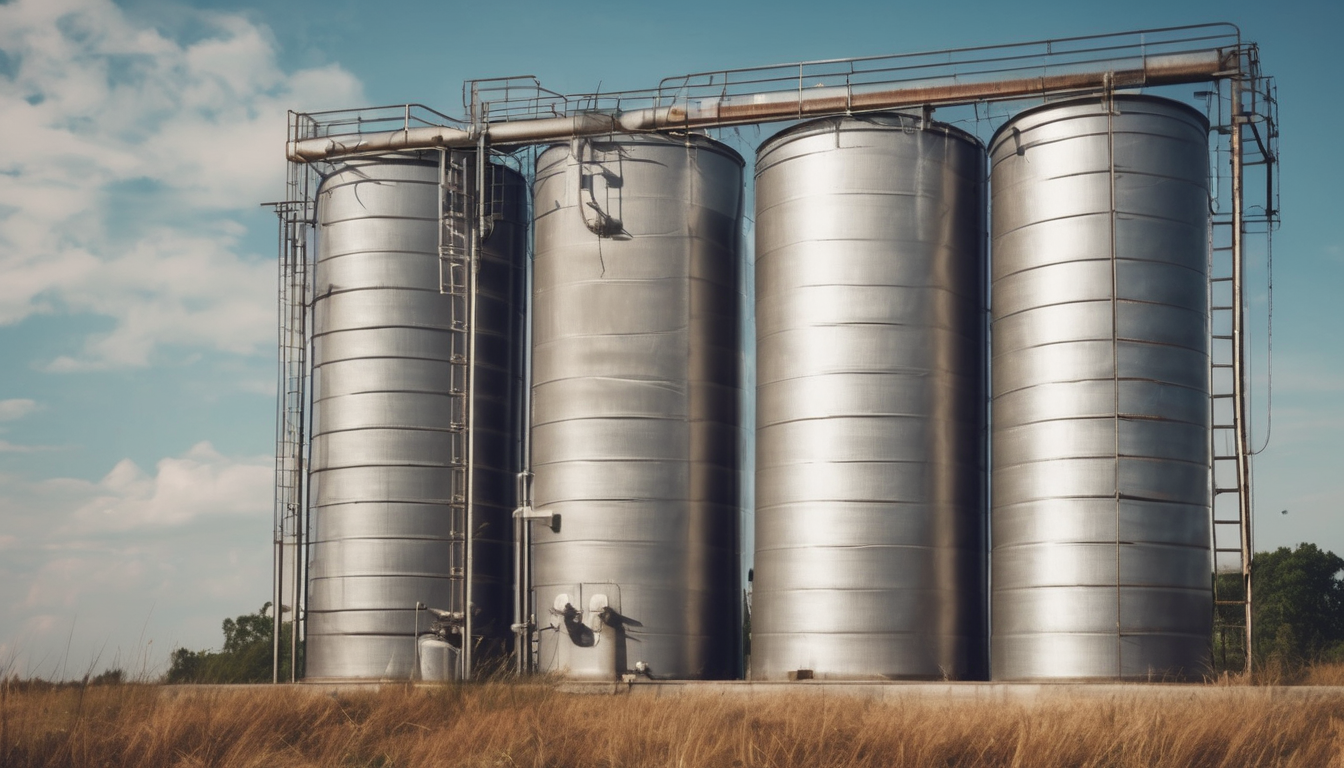


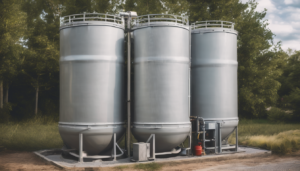

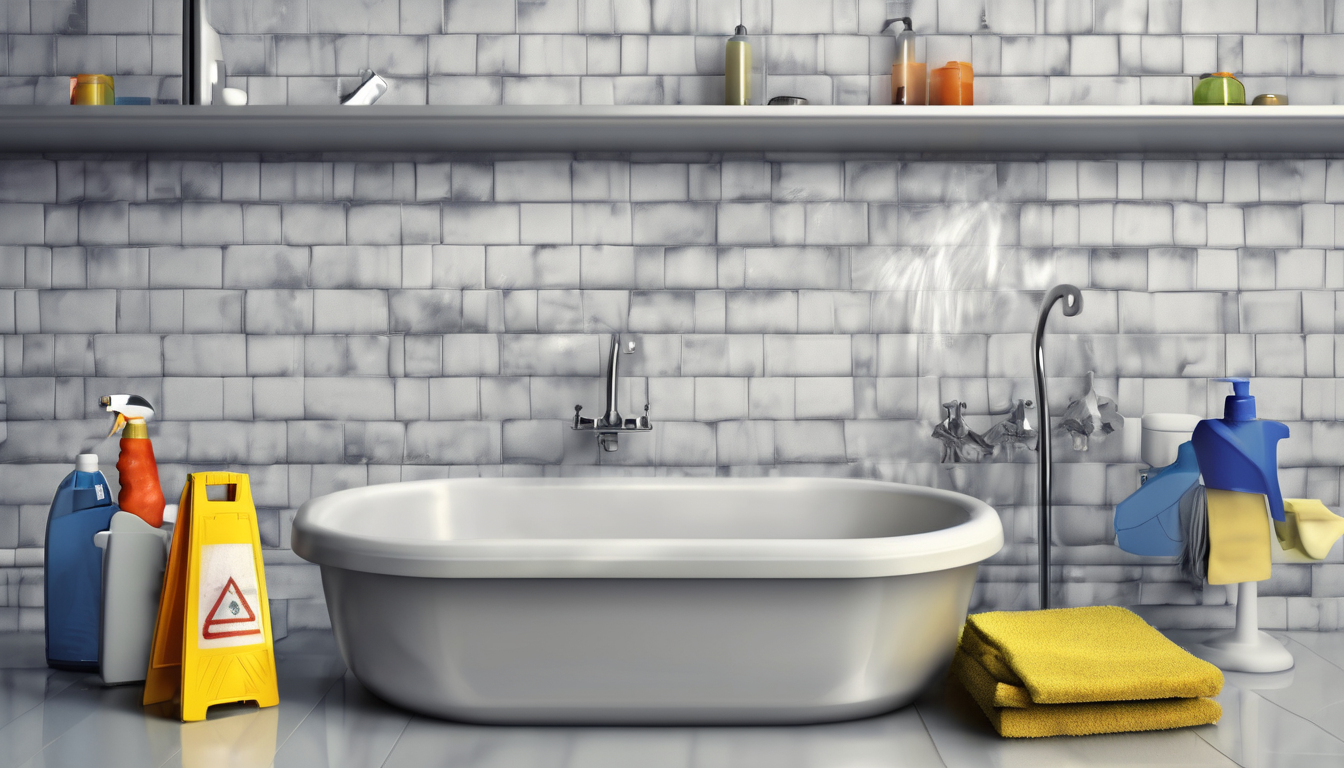

Understanding Safe Chemical Usage Guidelines For Effective Cleaning is essential. Water tanks play a critical role in providing clean, potable water for households and buildings across Dubai and other parts of the UAE. Regular cleaning and disinfection are essential to prevent contaminants from accumulating within the tank. However, using chemicals incorrectly can pose health risks or environmental hazards. This comprehensive guide outlines safe chemical usage guidelines to ensure effective cleaning while maintaining hygiene standards.
Understanding Safe Chemical Usage Guidelines for Effective Cleaning
Safe chemical usage guidelines are essential to ensure the effectiveness of cleaning processes while minimizing risks. These guidelines help in selecting and applying chemicals that meet regulatory standards, ensuring both human health and environmental safety.
Selecting Regulatory Compliant Chemicals
Always choose chemicals that comply with local regulations, such as those approved by the Dubai Municipality. These chemicals are designed to be effective against bacteria, algae, and other contaminants without causing harm.
Safe Chemical Usage Guidelines For Effective Cleaning – Choosing Appropriate Chemicals for Water Tank Cleaning
When selecting chemicals for water tank cleaning, consider the following factors:
- Type of Contaminant: Different chemicals are effective against various contaminants. For instance, chlorine is commonly used to disinfect tanks but may not be as effective on biofilm.
- Regulatory Compliance: Ensure the chemical has been approved by relevant health and safety authorities for use in potable water systems.
- Environmental Impact: Choose biodegradable or non-toxic chemicals to minimize environmental impact during disposal.
Safe Chemical Usage Guidelines For Effective Cleaning – Proper Application of Chemicals in Water Tanks
The correct application of chemicals is crucial for effective cleaning and disinfection. Follow these steps:
- Pre-Cleaning Inspection: Conduct a thorough inspection to identify any visible contaminants or areas that need special attention.
- Dilution Ratio: Mix the chemical according to the manufacturer’s instructions, ensuring you use the correct dilution ratio for optimal effectiveness and safety.
- Application Method: Apply the chemicals using a pump or spray system. For overhead tanks, consider using a nozzle to ensure even distribution.
Monitoring and Testing During the Cleaning Process
Maintaining control over the cleaning process is essential for ensuring safety and effectiveness:
- Testing pH Levels: Use a pH meter to monitor water quality during the cleaning process. Adjusting pH levels can enhance chemical efficacy.
- Bacterial Testing: Take samples before and after disinfection to assess bacterial reduction. This step ensures that the chemicals are working as intended.
Safe Disposal of Chemical Residues
Proper disposal is crucial to avoid environmental contamination:
- Neutralization: Neutralize strong chemicals before disposing of them. Use appropriate neutralizing agents as per the manufacturer’s instructions.
- Disposal Methods: Dispose of chemical waste in designated facilities or through a licensed hazardous waste management service.
Preventing Recontamination After Clean and Disinfection
To maintain hygiene standards, prevent recontamination after cleaning and disinfecting water tanks:
- Sealing the Tank: Ensure all access points are sealed to prevent entry of contaminants.
- Frequent Monitoring: Schedule regular inspections and tests to ensure ongoing hygiene compliance.
Expert Tips for Safe Chemical Use
Here are some practical tips to guide your water tank cleaning efforts effectively:
- Consult Professionals: Engage experienced technicians who understand the nuances of chemical usage and can provide safe, effective solutions.
- Use Personal Protective Equipment (PPE): Wear gloves, masks, and protective clothing to prevent skin contact and inhalation of chemicals.
- Avoid Overuse: Apply chemicals only as per the manufacturer’s recommendations. Excessive use can be harmful both to health and the environment.
FAQ Section
Here are answers to some frequently asked questions about safe chemical usage guidelines for water tank cleaning:
- Q: Can I mix different chemicals together?
- A: Mixing chemicals is not recommended as it can lead to unpredictable reactions and potential health hazards. Always follow the manufacturer’s instructions.
- Q: How often should I clean my water tank?
- A: The frequency of cleaning depends on usage and environmental factors. A good rule of thumb is to clean every six months, but consult local guidelines for specific recommendations.
Conclusion
Safe chemical usage guidelines are critical for effective water tank cleaning while ensuring the health and safety of your family and the environment. By following these best practices, you can maintain clean, potable water in your home or building without compromising on hygiene standards. Understanding Safe Chemical Usage Guidelines For Effective Cleaning is key to success in this area.