






Understanding Underground vs Overhead Water Tanks: Which is Better?
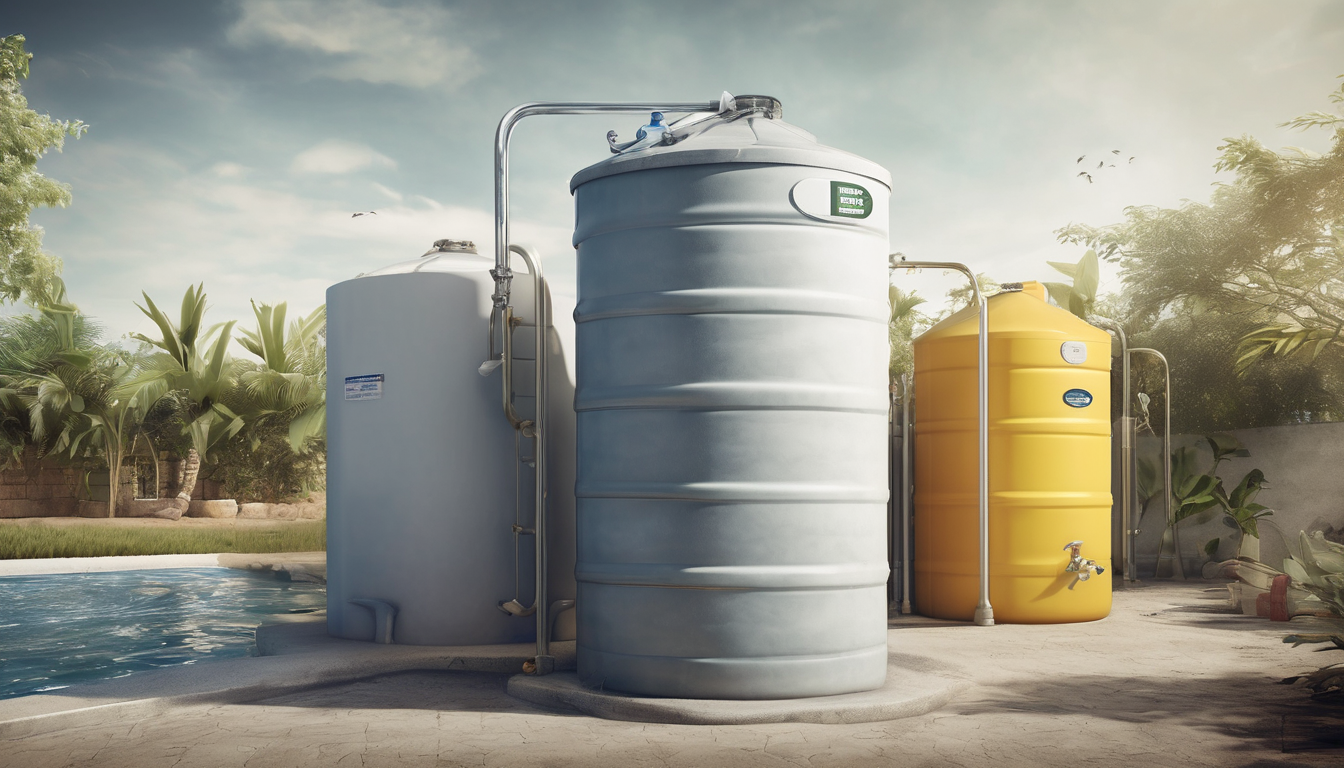
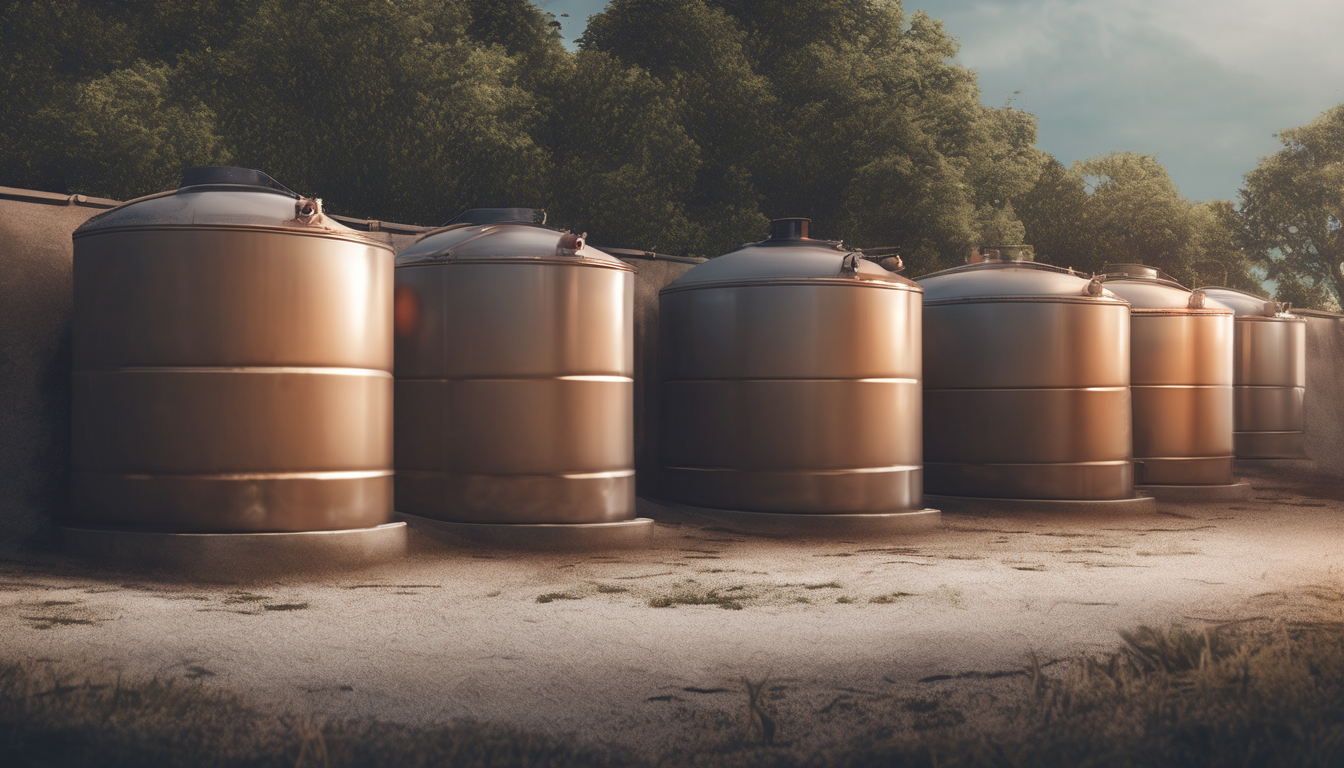
When it comes to water storage, two primary options exist: underground and overhead tanks. Both have their unique benefits and drawbacks, making the choice between them a matter of considering your specific requirements and preferences. This relates directly to Underground Vs Overhead Water Tanks: Which Is Better.
Underground Tank Pros & Cons
### Pros
- Aesthetic Appeal: Underground tanks blend seamlessly into the landscape, often unseen by visitors or passersby, making them an attractive option for those who value a clean and clutter-free exterior.
- Space Efficiency: These tanks save valuable space above ground, which can be utilized for other purposes such as gardens or patios. This is particularly beneficial in densely populated areas like villas or apartment buildings.
- Seismic Stability: Underground tanks are less likely to suffer damage from earthquakes due to their stable position and lack of movement compared to overhead tanks, which can be more vulnerable to structural issues during seismic events.
### Cons
- Maintenance Challenges: Regular maintenance of underground tanks requires access to the tank, which can be difficult if it’s buried deep or located in a hard-to-reach area. This might lead to delays in necessary servicing and cleaning processes.
- Limited Space for Larger Tanks: While they are space-efficient above ground, underground tanks come with limitations on size due to the need for sufficient clearance around them during installation and maintenance.
Overhead Tank Pros & Cons
### Pros
- Easier Accessibility: Overhead tanks are easier to access, making regular cleaning and maintenance simpler. This is crucial for ensuring the water quality remains high and addressing any issues promptly.
- Better Aeration: Overhead tanks allow better aeration of stored water, which helps in reducing the growth of harmful bacteria that can thrive in stagnant water.
### Cons
- Aesthetic Disruption: These tanks are more visible and can impact the overall aesthetics of your property. They may not be suitable for properties where a modern, clean appearance is preferred.
- Potential Wind Damage: Overhead tanks can suffer damage from strong winds or storms, which could lead to leaks or structural issues that require immediate attention and repair.
Environmental Impact and Cost Considerations
### Environmental Impact
- Underground Tanks: These tanks are often made from materials like concrete or GRP (Glass Reinforced Plastic), which can be more durable but may require energy-intensive manufacturing processes. However, they contribute less to urban heat islands due to their underground placement.
- Overhead Tanks: Overhead tanks are typically lighter and easier to install, leading to lower carbon emissions during the construction phase. They also provide natural cooling through exposure to sunlight, which can reduce the overall temperature of stored water.
### Cost Considerations
- Initial Installation: Underground tanks generally require deeper excavation and more complex plumbing work, making their initial installation cost higher compared to overhead tanks. However, they often come with lower operational costs due to reduced electricity usage for pumping water.
- Maintenance Costs: While overhead tanks may have easier maintenance, the recurring costs associated with accessing them can be significant over time. Underground tanks might have lower maintenance costs but require specialized tools and techniques that could increase labor costs.
Installation and Maintenance Differences
The installation process for underground tanks is more complex, involving excavation and careful placement to ensure they are level and secure. This can be time-consuming and might involve significant disruption to your property’s landscaping or garden areas. When considering Underground Vs Overhead Water Tanks: Which Is Better, this becomes clear.
Overhead tanks, on the other hand, require simpler installation procedures that typically do not impact the surrounding environment as significantly. They are easier to clean and maintain but may need regular checks for signs of wear and tear from exposure to weather conditions. The importance of Underground Vs Overhead Water Tanks: Which Is Better is evident here.
Safety Considerations for Underground vs Overhead Tanks
### Underground Tanks
- Structural Integrity: Proper installation is crucial, as underground tanks must withstand pressure from soil and water. Any cracks or leaks can lead to costly repairs and health risks if not addressed promptly.
- Risk of Infiltration: Underground tanks are at risk of seepage due to the proximity of pipes and other infrastructure. This could contaminate the stored water, making regular inspection and cleaning essential.
### Overhead Tanks
- Structural Stability: Overhead tanks need to be securely anchored to prevent them from toppling over during strong winds or seismic activity. Regular inspections are necessary to ensure that they remain stable and secure.
- Leak Detection: These tanks are more visible, making it easier to detect any leaks early on. Immediate action can prevent water wastage and potential structural damage from prolonged exposure to moisture.
Compatibility with Household Needs: A Closer Look
### Water Usage Patterns
- Underground Tanks: These are ideal for households with consistent water usage patterns, as they can provide a steady supply of stored water during peak times. However, if your household has irregular consumption habits, an overhead tank might be more suitable to ensure constant access.
- Overhead Tanks: Perfect for properties where water usage is unpredictable or high, such as in commercial buildings with varying occupancy levels throughout the day. They can also provide immediate supply during peak demand periods without relying on municipal water systems.
### Water Quality Requirements
- Underground Tanks: Suitable for areas with lower risk of contamination, as they are less exposed to external factors like dust and pollutants. However, regular cleaning is essential to maintain high water quality standards.
- Overhead Tanks: Ideal for environments where there is a higher likelihood of contamination due to the presence of birds or other wildlife that could access overhead tanks. They require more frequent cleaning and maintenance to prevent bacterial growth.
Verdict and Recommendation: Which Tank is Best?
Choosing between underground and overhead water tanks ultimately depends on your specific needs, preferences, and local conditions. While underground tanks offer aesthetic benefits and cost savings in certain scenarios, they may not be practical for households with irregular water usage or those located in areas prone to contamination. Understanding Underground Vs Overhead Water Tanks: Which Is Better helps with this aspect.
Overhead tanks provide easier access for maintenance and better aeration of stored water, making them ideal for properties where constant water quality is crucial. They are also more suitable for high-occupancy buildings where water demand varies significantly throughout the day. Underground Vs Overhead Water Tanks: Which Is Better factors into this consideration.
For residential homes in Dubai or Abu Dhabi with consistent water usage patterns, an underground tank might be the best choice due to their aesthetic appeal and reduced maintenance requirements. However, if you prioritize easy access for cleaning and immediate supply during peak times, an overhead tank could offer a more practical solution. Understanding Underground Vs Overhead Water Tanks: Which Is Better is key to success in this area.