


—
TITLE—
Ensuring Safe Drinking Water with Properly Sealed Concrete
META—
Ensuring safe drinking water through properly sealed concrete tanks in Dubai, UAE.
EXCERPT—
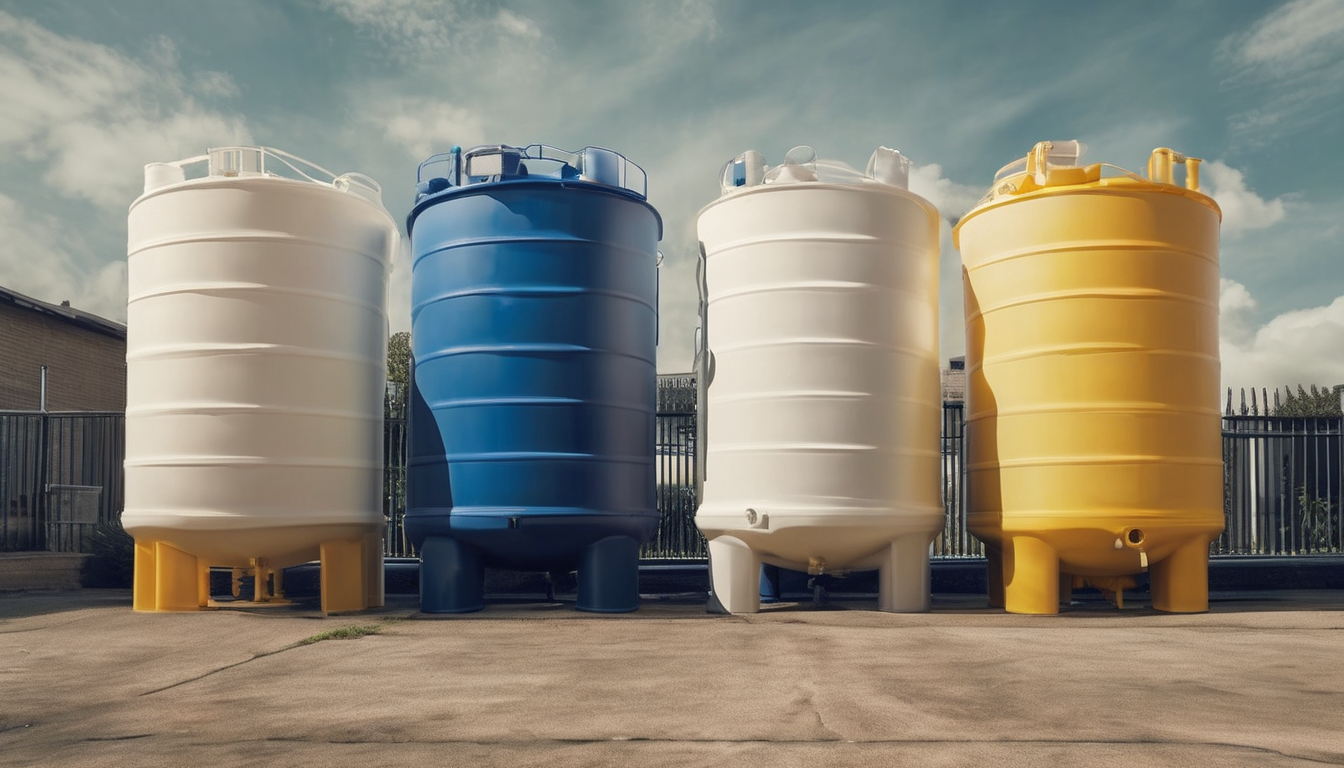
Concrete water storage tanks are a popular choice for their durability and capacity. This case study explores the importance of proper sealing to ensure safe drinking water, using real-world examples and practical solutions applicable to Dubai and other regions with similar climate conditions.
—
—
Introduction to Proper Sealing for Concrete Water Storage Tanks in Dubai, UAE
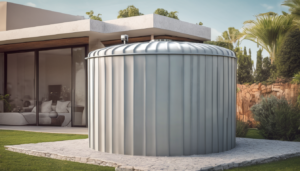
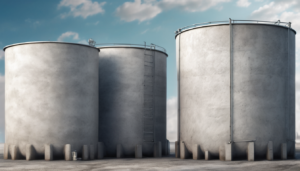
Ensuring safe drinking water is a critical aspect of daily life. In the United Arab Emirates, particularly in cities like Dubai and Abu Dhabi, concrete tanks are commonly used for storing potable water due to their durability and large storage capacity. However, the effectiveness of these tanks relies heavily on proper sealing techniques that prevent contamination from external elements such as termites, dust, and other debris.
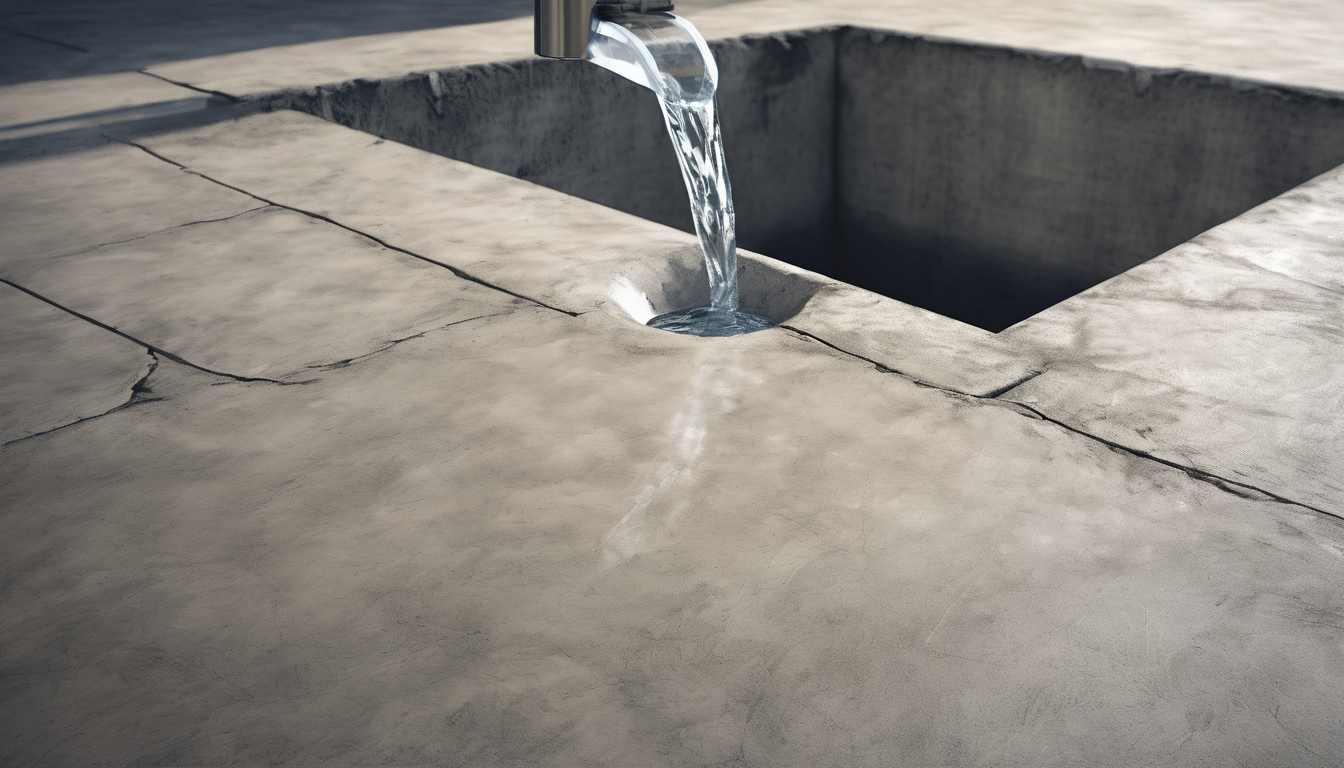
Concrete tanks can develop leaks or cracks over time, leading to potential water quality issues. It is essential to address this by implementing a comprehensive sealing strategy that not only prevents physical damage but also ensures the integrity of the stored drinking water. This case study will explore real-world examples where improper sealing led to contamination and how proper sealing measures can safeguard the safety and quality of drinking water.
—
Ensuring Safe Drinking Water With Properly Sealed Concrete – Background on Drinking Water Quality in Dubai, UAE
Dubai, like other cities in the United Arab Emirates, faces unique challenges when it comes to maintaining high standards of drinking water. The city’s hot climate and dusty environment pose significant risks for water storage tanks. High temperatures can lead to rapid evaporation, while dust accumulation can introduce contaminants into the water supply. This relates directly to Ensuring Safe Drinking Water With Properly Sealed Concrete.
According to studies conducted by local authorities , poor sealing practices in concrete water tanks have been a contributing factor to several instances of contaminated drinking water. This underscores the need for robust sealing methods to protect against such risks and maintain potable water quality.
—
Ensuring Safe Drinking Water With Properly Sealed Concrete – Case Study 1: The Termite Infestation and Its Impact
In one notable incident, a villa owner in Dubai reported an unusual smell coming from their overhead concrete water tank. Upon inspection, it was discovered that termites had breached the seal around the tank’s access port, allowing dust and insects to enter the storage area.
The termite infestation led to the contamination of the stored drinking water, causing visible sedimentation and a foul taste. The villa owner contacted our team for immediate assistance in cleaning and disinfecting the tank. Our technicians found numerous cracks and gaps that needed sealing, as well as areas where termites had established nests.
To resolve the issue, we conducted thorough cleaning followed by the application of DM-approved sealants to reinforce the tank’s integrity against future pest invasions and contaminants. After rigorous testing, the water quality was restored to safe levels, ensuring the family’s drinking supply remained uncontaminated.
—
Case Study 2: The Leaking Tank Incident
Another example comes from a multi-story apartment building in Abu Dhabi. During routine inspections, our team identified a significant leak in one of the underground concrete water tanks serving multiple units. This issue had gone unnoticed for several months due to the complex’s inefficient maintenance schedule. When considering Ensuring Safe Drinking Water With Properly Sealed Concrete, this becomes clear.
The leaking tank posed not only a risk to water quality but also an environmental hazard as it allowed contaminated water to seep into the ground and local water supply systems. Upon identifying this problem, we proposed a comprehensive solution that involved:
– Draining and isolating the affected tank
– Conducting detailed inspections for cracks and leaks
– Implementing advanced sealing techniques using DM-approved materials
– Installing additional safety measures such as proper access covers
After implementing these changes, the building’s water supply was restored to safe drinking standards. This case highlights the critical importance of regular maintenance and robust sealing practices in preventing long-term contamination risks.
—
The Solution: Properly Sealed Concrete Tanks
To prevent such incidents from recurring, it is essential to adopt a proactive approach to water tank management. Proper sealing involves several key steps:
1. Initial Inspection: Regularly check for any signs of damage or leaks.
2. Sealing Materials: Use high-quality sealants and adhesives that are suitable for concrete surfaces.
3. Access Points: Seal all entry points, including manholes, valves, and inspection hatches.
4. Weatherproofing: Apply additional weather-resistant coatings to prevent water evaporation and minimize temperature fluctuations.
By adhering to these practices, we can significantly reduce the risk of contamination while ensuring that stored drinking water remains safe for consumption. The importance of Ensuring Safe Drinking Water With Properly Sealed Concrete is evident here.
—
Benefits of Proper Sealing for Safe Drinking Water
Proper sealing offers several key benefits:
– Prevents Contamination: Ensures that external pollutants and pests cannot enter the tank.
– Enhances Durability: Strengthens the tank’s structure, preventing leaks and cracks over time.
– Maintains Water Quality: Keeps stored water free from harmful substances, ensuring it remains safe for drinking.
Implementing a comprehensive sealing strategy not only addresses immediate contamination risks but also sets a foundation for long-term hygiene compliance. This approach is particularly crucial in regions like Dubai, where environmental factors can significantly impact water storage quality.
—
Expert Tips for Maintenance and Sealing
To maintain properly sealed concrete tanks and ensure safe drinking water:
– Routine Inspections: Schedule regular checks every 6 months to identify potential issues early.
– Use DM-Approved Products: Employ materials that meet the standards set by Dubai Municipality.
– Professional Assistance: Engage certified experts for thorough cleaning, inspection, and sealing. Understanding Ensuring Safe Drinking Water With Properly Sealed Concrete helps with this aspect.
By following these guidelines, property managers, villa owners, and building administrators can significantly reduce the risk of water contamination and maintain a reliable source of safe drinking water.
—
FAQs on Drinking Water Storage
1. How often should I inspect my concrete water tank?
– It is recommended to conduct routine inspections every 6 months or as per Dubai Municipality guidelines.
2. What are the signs of a compromised seal?
– Look for visible cracks, leaks, or unusual odors and tastes in the stored water.
3. Are there specific materials I should use for sealing?
– Yes, DM-approved sealants and adhesives must be used to ensure compliance with local regulations.
—
Conclusion: Ensuring Safe Drinking Water with Properly Sealed Concrete Tanks
In conclusion, the proper sealing of concrete water storage tanks is crucial for maintaining safe drinking water in regions like Dubai. By addressing common issues such as termite infestations and leaks, we can prevent long-term contamination risks and ensure that stored water remains free from harmful substances. Ensuring Safe Drinking Water With Properly Sealed Concrete factors into this consideration.
Adopting a proactive approach to tank maintenance and sealing not only protects families but also contributes to broader public health goals. As a certified expert in water tank cleaning and disinfection, I urge property owners and managers to prioritize this essential aspect of their building’s infrastructure.
—
[TAGS] Ensuring Safe Drinking Water with Properly Sealed Concrete, Concrete Water Tank Maintenance, Dubai Municipality Standards, Termite Infestation Prevention